
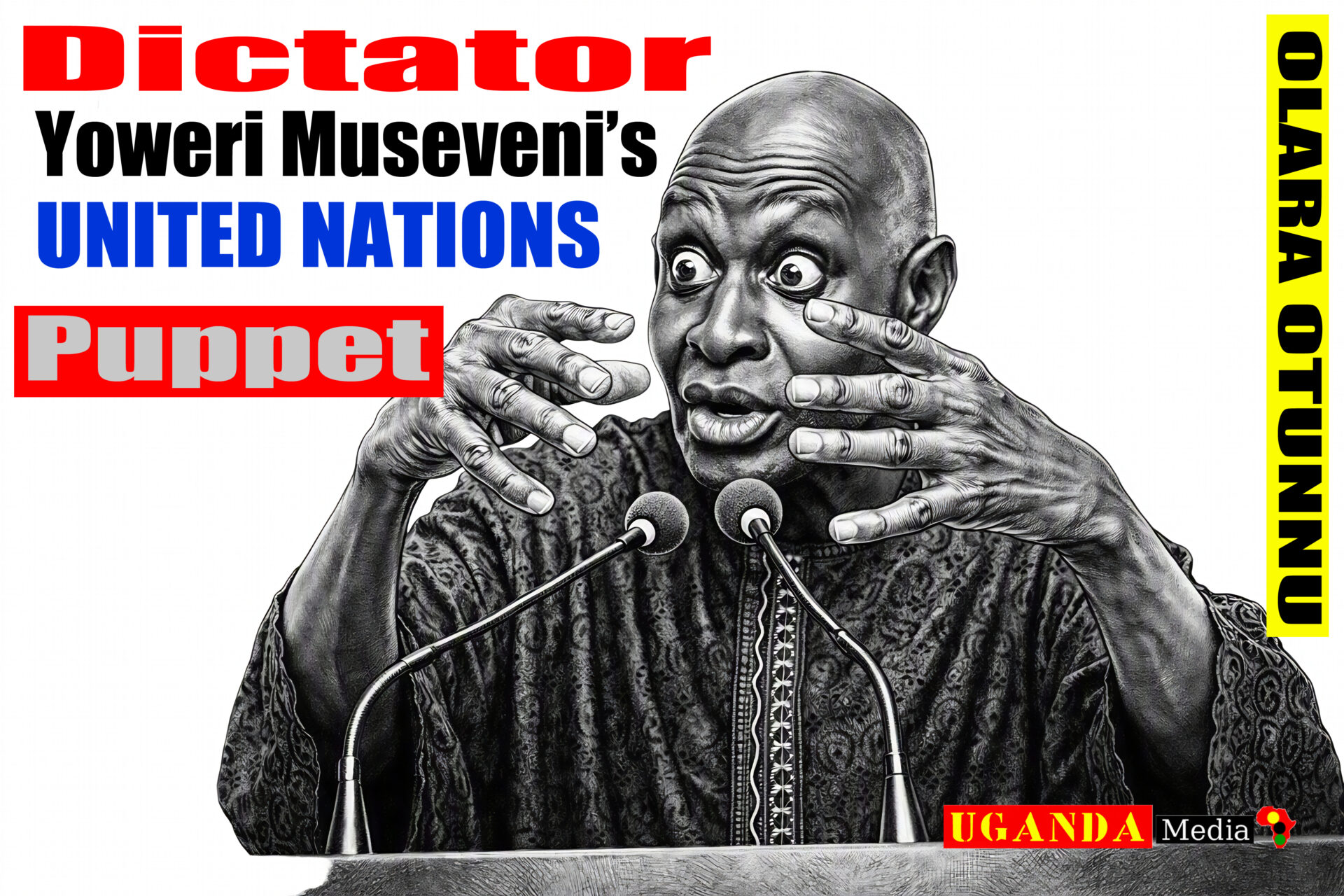
Olara Otunnu’s UN Ambition: The Ugandan Diplomat Who Destroyed His Own Party Now Seeks to Manage the World
Introduction: A Political Career Defined by Division and Deception
In the polished corridors of Entebbe’s State House, where chandeliers gleam brighter than the regime’s conscience, a remarkable spectacle recently unfolded. President Yoweri Museveni, Uganda’s dictator of four decades, stood before international diplomats and endorsed Olara Otunnu—a man whose political legacy consists primarily of broken parties, court injunctions, and a memorable escape attempt through a lavatory window—as the next United Nations Secretary-General. The irony would be amusing if the stakes were not so grave.
Olara Otunnu, the former Uganda People’s Congress (UPC) president who systematically dismantled the party that led Uganda to independence, now presents himself as the solution to global instability. His campaign, bankrolled by the very dictatorship that his party supposedly opposed, reveals the uncomfortable truth about Uganda’s political elite: they are united not by principle but by ambition, not by ideology but by self-interest. The man who helped orchestrate the 1985 coup against Milton Obote, who divided Uganda’s oldest political party, who fled through a bathroom to avoid accountability from his own supporters, now wants to manage the world’s most important diplomatic institution.
 The Ugandan people, meanwhile, watch from their homes, knowing that their fate remains unchanged regardless of the outcome. The national carrier, Uganda Airlines, cannot maintain its fleet while the regime finds millions for international lobbying. Schools lack textbooks while the elite dine in restaurants that cost more than the average worker’s annual salary. The working class, the youth, the pensioners—the people who actually build Uganda—are ignored while the regime’s propaganda machine manufactures a statesman from the wreckage of a failed political career.
This comprehensive examination exposes the uncomfortable truth behind Otunnu’s UN bid: a candidate whose record disqualifies him from any position of international trust; a regime that promotes him not for his qualifications but for his usefulness; and an international system that, in considering him, reveals its own decay. From the 1985 coup to the bathroom escape, from the 470 million shilling financial mystery to the straw poll humiliation, Otunnu’s story is not one of diplomatic achievement but of political destruction, elite capture, and the tragic reality that international institutions reward those who serve power, not those who serve people.
As the Security Council deliberates and Ugandans struggle to survive, one question demands an answer: If a man cannot manage his own party without violence, padlocks, and court injunctions, what makes anyone believe he can manage the world?
Forty Arguments Exposing the Otunnu Charade
The Historical Record: A Legacy of Division
The Coup That Launched a Thousand Excuses: Olara Otunnu’s Long Walk from the Barracks to the Ballot Box
When the Guns Speak, Democracy Weeps
There is an old saying that those who live by the sword eventually find themselves on the wrong end of it. But in Uganda’s tragic political theatre, those who live by the coup seem to thrive, rewarded with international honours and diplomatic posts that would make a saint blush. Olara Otunnu, the gentleman who helped orchestrate the overthrow of a democratically elected government in 1985, now presents himself as the guardian of global peace. The audacity would be breathtaking if it were not so deeply depressing.
In the chaos of that July morning when the guns fell silent and Milton Obote’s government crumbled, Otunnu was very much present. His uncle Tito Okello Lutwa led the military operation, but Otunnu was no passive observer—he was a key architect, a strategic mind, a man who understood that sometimes the quickest path to power bypasses the inconvenience of democracy entirely. The coup was dressed up in the language of liberation, presented as a corrective to Obote’s misrule. But the people of Uganda, exhausted by years of turmoil, soon discovered they had exchanged one problem for another. The military government that followed was no improvement—it was a different flavour of tyranny, with the same bitter aftertaste.
Fast forward four decades, and Otunnu’s methods have evolved while his principles have remained remarkably consistent. He no longer needs the army to seize power—he has discovered the effectiveness of court injunctions, party machinery manipulation, and strategic alliances with the very dictator he supposedly opposed. The tools have changed, but the objective remains the same: power acquired through disruption, authority maintained through manipulation, legitimacy claimed through legal technicalities rather than democratic consent. A man who starts his political career by overthrowing a government has demonstrated a fundamental contempt for the ballot box. This contempt has never left him—it has merely found new expressions.
The Ugandan Pattern: Coups, Courts, and Convenient Alliances
Uganda’s political history is a tragic tale of missed opportunities and broken promises. The country that led East Africa in education, healthcare, and infrastructure at independence has become a cautionary example of how dictatorship and elite capture destroy nations. The pattern is depressingly familiar: a leader overstays his welcome, the military steps in, and the people suffer. Otunnu was part of this pattern in 1985, and he remains part of it today—though now he works through institutions rather than against them.
The 1985 coup was not a spontaneous rebellion—it was a calculated act of power acquisition by a political elite that had lost faith in the electoral process. Otunnu and his uncle decided that the ballot box was not sufficient, that they had a right to rule that superseded the people’s right to choose. This is the logic of the barracks, the logic of the strongman, the logic that has brought Uganda to its current state of democratic decay. If a man cannot respect the electoral process when it produces results he dislikes, he cannot be trusted to respect it when it produces results he supports.
The parallel with Otunnu’s later political career is striking. When he lost control of the UPC to Jimmy Akena, he did not accept the result—he challenged it in court. When the party members physically removed him from his office, he sought a judicial reinstatement. He used the legal system not to uphold democratic processes but to overturn them, to substitute judicial authority for popular consent. This is not a defence of democracy—it is an assault on it, conducted through the courts rather than through the army. The methods have become more sophisticated, but the contempt for democratic outcomes remains unchanged.
The Cost of Extra-Constitutional Politics
The cost of Otunnu’s extra-constitutional approach to politics is visible across Uganda. The UPC, once a proud institution that led the nation to independence, lies in pieces across Uganda House’s sixth floor. The party that represented the hopes of a newly sovereign nation has been reduced to a personal fiefdom, a vehicle for individual ambition rather than collective welfare. This is what happens when leaders view institutions as their property rather than as public trusts—they destroy them, and the people suffer.
The cost extends beyond the UPC. Uganda’s political culture has been poisoned by the example of elites who believe they are above the rules. If Otunnu can overthrow a government, why should anyone respect the constitution? If Otunnu can dismiss party officials without consultation, why should anyone respect party procedures? If Otunnu can spend party funds without accountability, why should anyone respect financial regulations? The example set by the elite filters down, corrupting the entire political culture, making democratic governance impossible.
The international community should consider this cost when evaluating Otunnu’s candidacy. If a man can disregard democratic processes in his own country, he will disregard them globally. If a man can disregard party constitutions, he will disregard the UN Charter. If a man can disregard accountability, he will disregard international law. The pattern is consistent, and it is disqualifying.
The Dictator’s Embrace: A Marriage of Convenience
The relationship between Museveni and Otunnu reveals everything about Uganda’s political economy. Here we have a dictator who has ruled for four decades, a man who has dismantled democratic institutions, imprisoned opponents, and enriched his family at public expense. And here we have Otunnu, a man who supposedly represents opposition to this very system. Yet in Entebbe’s State House, the Dictator plays host, pours tea, and personally endorses Otunnu’s international ambitions.
 Why would a dictator promote his opposition? The question answers itself. A weakened opposition is a useful opposition. Otunnu, by dividing the UPC and rendering it ineffective, has performed a valuable service for the regime. In destroying his own party, he has removed a potential vehicle for democratic challenge. The regime rewards this service not with cash—though there is cash involved—but with international elevation. Museveni gets to export a troublesome figure while simultaneously appearing generous to his rivals. It is a win-win for everyone except the Ugandan people, who continue to pay for this circus through taxes, stolen resources, and crushed dreams.
The Dictator’s embrace is not a sign of respect—it is a sign of control. Otunnu, by accepting it, has demonstrated that his principles are for sale, that his opposition was always negotiable, that his commitment to democracy extends only as far as his personal ambition. This is the tragedy of Uganda’s political class: they are united not by ideology but by self-interest, not by principle but by convenience. The people, as always, are the losers in this arrangement.
The 1985 Coup in Historical Context
To understand Otunnu’s unfitness for international leadership, one must understand the 1985 coup in its historical context. Uganda in 1985 was a nation in crisis. Milton Obote’s government, though democratically elected, had become increasingly authoritarian, and the country was suffering from years of conflict and instability. The coup was met with relief by many Ugandans who had grown tired of Obote’s misrule.
But relief is not legitimacy. A coup, however popular in the moment, cannot substitute for democratic consent. The military government that followed the coup failed to deliver the peace and prosperity that Ugandans had hoped for. Within months, the country was plunged into further conflict, and Museveni’s National Resistance Army would eventually seize power through its own military campaign. The cycle of violence continued, and the people continued to suffer.
Otunnu, as a key architect of the coup, bears responsibility for this cycle. He helped create the conditions for further instability, for more violence, for more suffering. His actions did not bring peace—they perpetuated conflict. This is not the record of a statesman—it is the record of a man who believed that the ends justified the means, that power was more important than process, that his ambition was more important than the people’s welfare.
The International Dimension: A Dangerous Precedent
If Otunnu were to become UN Secretary-General, the precedent would be dangerous. It would send a message that extra-constitutional power grabs are acceptable, that coups can be forgiven, that democratic processes are optional. It would tell the world’s dictators that they can rehabilitate their images through international appointments, that their crimes can be overlooked if they play the diplomatic game well enough.
The international community has a responsibility to reject this message. The Secretary-General is not just a diplomat—he is a symbol. He represents the international community’s commitment to peace, justice, and the rule of law. If that symbol is a man who overthrew a government, the message is clear: the rule of law does not matter. Only power matters. Only connections matter. Only ambition matters. This is not a message that the international community should endorse.
The Ugandan people, who have suffered under dictatorship for decades, understand this better than most. They have seen their leaders ignore the rules, violate the constitution, and trample on their rights. They have seen the elite enrich themselves while the people struggle. They have seen the international community look the other way, rewarding dictators with diplomatic recognition and their cronies with international positions. They know that the system is broken. They know that the international community is complicit. And they know that Otunnu’s candidacy is just another example of this complicity.
The Lesson for the World
The lesson of Otunnu’s coup is simple: character matters. A man who will overthrow a government will not respect international law. A man who will destroy a party will not build international institutions. A man who will flee through a bathroom to avoid accountability will not uphold accountability at the UN. The pattern is consistent, and it is damning.
The old saying tells us that a person who wishes to be a leader must first prove they can follow. Otunnu has spent his career proving the opposite. He has followed no one except ambition, served no cause except self-advancement, built no institution except his own reputation. His legacy, if he has one, is a broken party, a divided opposition, and a regime that has been strengthened by his failures. This is not a record of leadership—it is a record of destruction.
The international community faces a choice. It can embrace Otunnu, validating everything that is wrong with Uganda’s political system. Or it can reject him, sending a message that failure is not a qualification, that division is not a strength, that the people of Uganda deserve better than the elite who have exploited them for generations. The choice is clear, but the world has a habit of making the wrong choice when it is the easier option.
Conclusion: The Coup Candidate
Olara Otunnu’s UN candidacy is built on a foundation of democratic destruction. A man who helped overthrow a government, who divided a political party, who fled from accountability, now seeks the world’s top diplomatic post. The irony would be amusing if it were not so tragic. The international community should reject this candidacy not because it is African, not because it is Ugandan, but because it is wrong. It is wrong to reward those who subvert democracy. It is wrong to elevate those who destroy institutions. It is wrong to entrust global governance to those who cannot govern themselves.
The working class, the youth, the pensioners of Uganda—they will continue to struggle regardless of what happens in the Security Council. They have learned to survive without the world’s help, to hope without the world’s permission, to dream without the world’s encouragement. They are the real leaders of Uganda, the ones who have not overthrown governments, who have not sold their principles for international positions, who have not abandoned their people for diplomatic titles. They are the ones who matter.
Otunnu’s coup connection is not ancient history—it is a window into his character. It reveals a man who believes that the rules do not apply to him, that his ambition trumps democratic processes, that his power is more important than the people’s consent. This is not a man who should manage the world. It is a man who should be held accountable for the damage he has caused. The international community should remember this when the Security Council casts its vote. The world deserves better than the coup candidate.
The UPC Destruction Project: How Olara Otunnu Turned Uganda’s Independence Party into a Personal Playground
A Party Born of Hope, Destroyed by Ambition
There is an old saying that those who inherit a kingdom can easily destroy it in a single generation. The Uganda People’s Congress, the party that led this nation to independence, the party of Milton Obote, the party that once represented the hopes and dreams of a newly sovereign people, now lies in ruins across the sixth floor of Uganda House. The man responsible for this destruction is not a regime operative or a foreign agent—he is the very man who claims to be its saviour.
Olara Otunnu, the self-styled statesman now seeking the United Nations Secretary-General position, has spent years systematically dismantling the oldest political institution in Uganda. He returned from his international exile, funded and facilitated by the very dictatorship he supposedly opposed, and embarked on a mission of destruction that would make any enemy proud. Within his own party, he fired officials without consultation, ignored constitutional provisions, spent party funds without accountability, and treated party members as subjects rather than participants. The result was predictable: rebellion, division, court cases, and the spectacle of party members changing the locks on his office while he attempted to flee through the bathroom.
The irony would be laughable if it were not so deeply tragic. A man who lectures the world on democracy and good governance has created a dictatorship within his own organisation. A man who speaks of transparency has refused to account for party funds. A man who calls for inclusivity has driven away anyone who dared to question his leadership. The UPC, once a proud institution representing the aspirations of millions, has become a personal fiefdom, a vehicle for individual ambition, a casualty of Otunnu’s hunger for power.
The Systematic Destruction of Democratic Structures
Otunnu’s assault on the UPC was not a spontaneous act of frustration—it was a systematic campaign of institutional destruction. He understood that democratic institutions are only as strong as their internal processes, and he set about weakening those processes one by one. He dismissed officials without the consultation required by the party constitution. He bypassed the party organs that were supposed to provide oversight. He treated the party’s members not as colleagues but as subordinates, not as partners but as obstacles.
The pattern is clear to anyone who has watched Ugandan politics over the past decade. Otunnu returned to Uganda and immediately began centralising power around himself. He appointed loyalists to key positions, marginalised potential rivals, and created a system where his word was law. The party’s constitution, which was supposed to protect against such abuses, was treated as optional, a document to be invoked when convenient and ignored when not. The result was a party that could not function without him, an organisation that had no internal democracy, an institution that had become indistinguishable from its leader.
The UPC’s members, many of whom had spent their entire political lives building the party, watched in horror as their institution was transformed. They had joined the UPC because they believed in its principles, because they saw it as a vehicle for democratic representation, because they wanted to build a better Uganda. Instead, they found themselves serving under a man who treated them as subjects, a leader who valued loyalty over competence, a president who could not tolerate dissent. The destruction was not just political—it was personal. The party they loved was being destroyed by the man they had trusted.
The Role of the Dictator’s Embrace
The relationship between Museveni and Otunnu provides the essential context for the UPC’s destruction. The Dictator, who has ruled Uganda for four decades, has a long-standing interest in weakening the opposition. A divided opposition is a weak opposition, and a weak opposition cannot challenge the regime. Otunnu, by destroying the UPC from within, was performing a valuable service for the dictatorship—a service that was rewarded with international support and diplomatic elevation.
When Otunnu returned from his UN exile, he was not returning as a rebel or a critic. He was returning as a collaborator, a man who had made his peace with the regime, a politician who understood that the path to power in Uganda runs through State House. The Dictator’s embrace was not a sign of respect—it was a sign of control. Museveni knew that Otunnu’s presence in the UPC would divide the opposition, weaken the party, and serve the regime’s interests. And he was right.
The Dictator’s support for Otunnu’s UN candidacy is not an act of generosity—it is an act of strategic calculation. By promoting Otunnu, the regime is saying to the international community: “Look at our distinguished opposition figure. We support him. Uganda is a functioning democracy.” This is a lie, but it is a useful lie. The regime needs international legitimacy to continue its rule, and Otunnu’s candidacy provides it. The UPC’s destruction, in this context, is not a tragedy—it is a transaction. The party was sacrificed for the regime’s benefit, and Otunnu was the instrument of that sacrifice.The Financial Dimension: Where the Shillings Went
The allegations of financial mismanagement surrounding Otunnu’s UPC leadership are not mere party squabbles—they are evidence of a systematic failure of accountability. When party members accused Otunnu of spending 470 million shillings without proper accounting, they were not just attacking his leadership. They were exposing the reality that within Uganda’s political class, public funds—whether party funds, donor funds, or state resources—are treated as personal property.
The 470 million shillings was supposed to support party candidates in elections, to build democratic infrastructure, to demonstrate that the UPC was a viable alternative to the regime. Instead, it vanished into the usual black hole of Ugandan politics, leaving candidates unsupported and party members disillusioned. When donors demanded accountability, Otunnu’s response was predictable: he fired the officials responsible for oversight. This is not leadership—it is obstruction, an attempt to hide financial impropriety behind the shield of executive authority.
The parallel with national governance could not be clearer. In Uganda, public funds disappear with alarming regularity. Infrastructure projects fail, hospitals lack medicine, teachers go unpaid, and yet the political class lives in conspicuous luxury. The regime has perfected the art of resource extraction, and Otunnu, in his small way, has mimicked this pattern. He is not an exception to Uganda’s political economy—he is a representative example of it. A man who cannot manage party funds transparently cannot be trusted with the UN’s budget, which dwarfs anything the UPC ever possessed.
The Rejection of Democratic Processes
Otunnu’s approach to party leadership revealed a fundamental contempt for democratic processes. When the party’s delegates elected Jimmy Akena as his successor, Otunnu did not accept the result—he challenged it in court. The election was declared invalid, and Otunnu was reinstated by judicial fiat rather than popular consent. This is not democracy—it is the substitution of legal technicalities for political reality.
The court’s decision, however legally sound, did not heal the party—it deepened the divisions. Otunnu was reinstated, but his authority was shattered. He had to be installed by judicial decree, not by popular acclaim. His party members had physically expelled him, changed his locks, and repudiated his leadership. A court ruling could not change these facts. Otunnu returned to a party that did not want him, leading an organisation that had rejected his leadership.
This is the tragedy of Otunnu’s political career. He has pursued power through legal manipulation rather than political consent. He has used courts, injunctions, and procedural arguments to maintain positions that he could not hold through democratic processes. He is the beneficiary of a system that prioritises legal form over political substance, and he has exploited this system ruthlessly. The result is a hollow victory, a leadership without followers, a president without a party.
The Human Cost: Party Members Betrayed
The human cost of Otunnu’s destruction project is immense. Party members who had dedicated their lives to the UPC found themselves betrayed by their own leader. They had joined the party because they believed in its principles, because they wanted to build a better Uganda, because they saw the UPC as a vehicle for democratic representation. Instead, they found themselves serving under a man who treated them as subjects, a leader who valued loyalty over competence, a president who could not tolerate dissent.
The physical violence that accompanied Otunnu’s overthrow was a symptom of the deeper damage he had caused. When party members manhandled him and locked his office, they were not just expressing frustration—they were expressing betrayal. The man they had trusted had betrayed them. The party they loved was being destroyed. Their hopes for democratic change were being crushed. The violence was a response to the violence Otunnu had done to their institution.
The international community should consider this human cost when evaluating Otunnu’s candidacy. A man who betrayed his own party members, who destroyed the institution they had built, who treated them as subjects rather than partners, cannot be trusted with the welfare of the world’s people. If he cannot treat his own supporters with respect, he will not treat the global community with respect. If he cannot build democratic institutions within his own party, he will not build them globally.
The International Implications: A Pattern of Destruction
Otunnu’s destruction of the UPC is not an isolated incident—it is part of a broader pattern of institutional destruction that characterises his entire career. He helped overthrow a government in 1985. He divided the UPC and rendered it ineffective. He rejected democratic processes within his own party. The pattern is consistent: Otunnu is not a builder—he is a destroyer. He does not create institutions—he dismantles them. He does not build consensus—he creates division.
This pattern has serious implications for Otunnu’s UN candidacy. The Secretary-General is responsible for building international consensus, for creating institutions that serve the global community, for representing the interests of the world’s people. If Otunnu has shown himself incapable of building institutions at the party level, what makes anyone believe he can build them at the global level? If he has shown himself incapable of managing conflicts within his own organisation, how will he manage conflicts between nations? If he has shown himself incapable of respecting democratic processes within his own party, how will he uphold them globally?
The international community should be deeply sceptical of a candidate whose entire career has been characterised by destruction rather than creation. The UN needs builders, not destroyers. It needs consensus-builders, not dividers. It needs democrats, not authoritarians. Otunnu is none of these things—he is a destroyer, a divider, and an authoritarian. His candidacy is an insult to the UN’s principles and a danger to the global community.
The Parallels with Ugandan Governance
The parallels between Otunnu’s destruction of the UPC and the regime’s destruction of Uganda’s institutions are striking and revealing. The Dictator has systematically weakened Uganda’s democratic institutions—the Electoral Commission, the Parliament, the Judiciary—rendering them tools of the regime rather than independent checks on its power. Otunnu has done the same within the UPC, weakening its democratic structures and rendering it a vehicle for his personal ambition.
The parallel is not coincidental—it is structural. Uganda’s political culture is one of elite capture, of treating institutions as personal property, of viewing power as an end in itself rather than a means to serve the people. Otunnu is not an exception to this culture—he is a representative of it. His destruction of the UPC is not a personal failing—it is a symptom of a systemic disease.
The international community, in considering Otunnu’s candidacy, should recognise this systemic dimension. Otunnu is not an isolated case—he is a product of a political system that rewards destruction over creation, division over consensus, and power over principle. By supporting Otunnu, the international community would be endorsing this system, validating its values, and perpetuating its abuses. This is not a choice the international community should make.
The Legacy of Destruction
Otunnu’s legacy within the UPC is one of destruction, not creation. He inherited a party with a proud history, a party that had led Uganda to independence, a party that represented the hopes of millions. He left it in ruins, divided and demoralised, an institution that will take years to rebuild. This is not the legacy of a statesman—it is the legacy of a destroyer, a man whose ambition outweighed his principles, whose ego outweighed his judgment, whose hunger for power outweighed his commitment to the people he claimed to serve.
The party members who changed the locks on his office understood this legacy. They understood that Otunnu had betrayed them, that he had destroyed their institution, that he had used the party for his personal advancement. Their padlocks were not just a rejection of his leadership—they were a rejection of his entire approach to politics. They were saying: “We will not be ruled by this man any longer. We will take back our party. We will rebuild our institution.” It was an act of defiance, a statement of intent, a declaration of independence.
The international community should learn from this act of defiance. The padlocks on Otunnu’s office tell us more about his leadership than any diplomatic biography ever could. They tell us that he was rejected by his own supporters. They tell us that he could not command the loyalty of his own party. They tell us that he was a failure as a leader. This is not a man who should manage the world. This is a man who should be held accountable for the damage he has caused.
Conclusion: A Destroyer Seeks to Build
Olara Otunnu now seeks the UN’s top job, a position that requires building consensus, creating institutions, and serving the global community. His record, however, is one of destruction, division, and self-service. He destroyed the UPC, divided the opposition, and served his own ambition at the expense of the party he claimed to lead. This is not a record of leadership—it is a record of failure.
The old saying tells us that a person who wishes to be a leader must first prove they can follow. Otunnu has never followed anyone except ambition. He has never served any cause except self-advancement. He has never built any institution except his own reputation. His legacy, if he has one, is a broken party, a divided opposition, and a regime that has been strengthened by his failures. This is not a record of leadership—it is a record of destruction.
The international community should reject Otunnu’s candidacy not because he is African, not because he is Ugandan, but because he is unqualified. He is unqualified because he has demonstrated a contempt for democratic processes. He is unqualified because he has shown himself incapable of building institutions. He is unqualified because he has failed as a leader. The world deserves better than a destroyer who seeks to build. The world deserves better than Olara Otunnu.
Party Coup Culture: The Predictable Fall of Olara Otunnu’s Authoritarian Regime
When the Leopard’s Spots Are Exposed
There is an old saying that a person who plants thorns should not expect to harvest roses. When Olara Otunnu seized control of the Uganda People’s Congress and began ruling it as his personal fiefdom, he was planting thorns that would eventually tear his leadership apart. His removal from the party presidency in 2015 was not a sudden rebellion, not a spontaneous uprising, not an unexpected betrayal. It was the inevitable outcome of authoritarian leadership that brooks no opposition, tolerates no dissent, and recognises no limits on its power.
The supporters of Jimmy Akena who physically expelled Otunnu from his office, who changed the locks on his door, who manhandled him as he attempted to flee through the bathroom—these were not traitors or usurpers. They were the predictable consequence of a leadership style that treated party members as subjects rather than colleagues, that valued loyalty over competence, that viewed the party as personal property rather than a democratic institution. Otunnu had created a culture of authoritarianism within the UPC, and that culture eventually consumed him.
The tragedy is that Otunnu never saw it coming. He surrounded himself with sycophants who told him what he wanted to hear, dismissed anyone who questioned his decisions, and created an environment where dissent was punished rather than welcomed. When the rebellion finally came, he was genuinely surprised—surprised that his supporters had turned against him, surprised that his authority had been rejected, surprised that the party he thought he owned had claimed its independence. The surprise was not a reflection of the rebellion’s unpredictability—it was a reflection of Otunnu’s blindness to the consequences of his own actions.
The Authoritarian Leadership Model
Otunnu’s leadership of the UPC was characterised by a set of behaviours that are depressingly familiar to students of authoritarian politics. He centralised power around himself, marginalising anyone who might challenge his authority. He dismissed officials without consultation, treating the party constitution as optional rather than binding. He punished dissent ruthlessly, creating an environment where party members were afraid to speak their minds. He surrounded himself with loyalists who valued their positions more than their principles. He treated the party’s resources as his personal property, spending funds without accountability and refusing to answer questions about his financial management.
This leadership model is not sustainable in any organisation, least of all a political party that claims to represent democratic values. Authoritarian leaders inevitably create the conditions for their own downfall. By suppressing dissent, they prevent the free flow of information and ideas that organisations need to survive. By centralising power, they create a system that cannot function without them—and that will collapse when they are removed. By punishing critics, they turn potential allies into enemies. By surrounding themselves with sycophants, they lose touch with reality.
Otunnu’s downfall was not a failure of the UPC—it was a failure of his leadership. The party did not reject him because it was weak or divided. The party rejected him because his leadership had made it weak and divided. He had created the conditions for his own removal, and when those conditions finally came to fruition, he had no one to blame but himself.
The Rebellion’s Predictable Pattern
The rebellion against Otunnu followed a pattern that is predictable in authoritarian systems. First came the marginalisation of potential rivals—Otunnu dismissed officials who might have challenged his authority, ensuring that only loyalists remained in positions of power. Then came the financial mismanagement—Otunnu spent party funds without accountability, creating resentment among party members who were struggling to support their candidates and campaigns. Then came the suppression of dissent—Otunnu punished anyone who questioned his decisions, creating an environment of fear and silence. Finally came the rebellion—party members who had been silenced and marginalised finally found their voice, and they used it to remove him from power.
The rebellion was not a surprise—it was the logical conclusion of a leadership style that made it inevitable. The only surprise was that it took as long as it did. Party members had endured Otunnu’s authoritarianism for years, hoping that he would change, hoping that he would learn, hoping that he would become the leader they had believed he could be. But he did not change. He did not learn. He did not become a better leader. He became worse—more authoritarian, more dismissive, more out of touch. Eventually, even the most loyal supporters had had enough.
The physical violence that accompanied Otunnu’s overthrow was a symptom of the depth of the resentment he had created. Party members did not just want him removed—they wanted him humiliated. They wanted him to feel the pain he had inflicted on them. They wanted him to understand what he had done to their party. The violence was not just about power—it was about betrayal. Otunnu had betrayed the party, and the party was taking its revenge.
The Role of Jimmy Akena and the Obote Dynasty
The rebellion against Otunnu was led by Jimmy Akena, the son of the UPC’s founding president, the late Milton Obote. Akena’s role in the rebellion was not accidental—it was a reflection of the dynastic politics that characterise Ugandan political culture. The UPC has always been associated with the Obote family, and many party members saw Akena as the rightful heir to the party’s leadership. Otunnu, by contrast, was seen as an interloper, a man who had spent years in international exile and had returned to claim a party he had never truly been part of.
The Obote-Akena-Utunnu triangle is a microcosm of Ugandan politics. The families dominate the political landscape, treating the parties as their personal property and fighting among themselves for control. The people, meanwhile, are left to watch as the elites battle for power, their interests ignored, their voices unheard, their suffering unnoticed. Akena’s rebellion against Otunnu was not a democratic uprising—it was a dynastic struggle, a fight between two families for control of a party that was supposed to represent the people.
This dynastic dimension complicates the narrative. Akena is not a democrat—he is a dynast, a man who inherited his political position rather than earning it through democratic processes. His supporters, while justified in their anger at Otunnu, are not necessarily democrats—they are loyalists, people who support Akena because of his family name rather than his policies or principles. The rebellion was not a victory for democracy—it was a victory for one faction of the elite over another.
The International Implications: A Leader Who Cannot Lead
The rebellion against Otunnu has serious implications for his UN candidacy. A man who could not maintain the loyalty of his own party, who could not prevent a rebellion, who could not manage the conflicts within his own organisation, cannot be trusted to manage the conflicts of the world. The Secretary-General is supposed to be a consensus-builder, a diplomat who can bring people together, a leader who can manage complex organisations. Otunnu has demonstrated none of these qualities.
If Otunnu could not manage the UPC—a party with a clear ideology, a defined membership, and a set of democratic processes—how will he manage the UN, an organisation with 193 member states, conflicting interests, and complex governance structures? If he could not prevent a rebellion within his own party, how will he prevent conflicts between nations? If he could not tolerate dissent within his own organisation, how will he tolerate the diverse views of the global community? The answer is clear: he will not. Otunnu is not a consensus-builder—he is a divider. He is not a diplomat—he is a dictator in diplomatic clothing.
The international community should learn from the UPC rebellion. The padlocks on Otunnu’s office tell us more about his leadership than any diplomatic biography ever could. They tell us that he was rejected by his own supporters. They tell us that he could not command the loyalty of his own party. They tell us that he was a failure as a leader. This is not a man who should manage the world. This is a man who should be held accountable for the damage he has caused.
The Political Economy of Authoritarian Leadership
Otunnu’s authoritarian leadership of the UPC was not a personal failing—it was a reflection of Uganda’s political economy. In Uganda, power is concentrated in the hands of a small elite who view the state and its institutions as personal property. This elite has no interest in democratic processes, no commitment to institutional building, no concern for the welfare of the people. They treat politics as a business, power as a commodity, and institutions as tools of personal enrichment.
Otunnu was not an exception to this political economy—he was a representative of it. His leadership of the UPC reflected the same values that characterise the regime: authoritarianism, self-enrichment, and contempt for democratic processes. He treated the party as his personal property, spending its funds as he wished, dismissing its officials as he pleased, ignoring its constitution as it suited him. This was not a departure from Ugandan political culture—it was a continuation of it.
The rebellion against Otunnu was a rejection of this political economy. Party members who had endured years of authoritarianism finally said: “Enough.” They rejected the idea that the party was Otunnu’s personal property. They rejected the idea that they were subjects rather than colleagues. They rejected the idea that power should be concentrated in the hands of one man. The rebellion was a democratic moment in an otherwise undemocratic political culture—a moment when the people asserted their rights against the elite.
But the rebellion was also a failure. The party members who removed Otunnu did not create a democratic alternative—they simply replaced one authoritarian leader with another. Akena, for all his claims to represent the party’s democratic traditions, is as much a dynast as Otunnu is a authoritarian. The rebellion changed the faces but not the system. The political economy of authoritarianism remained intact.
The Role of the Dictator’s Embrace
The rebellion against Otunnu cannot be understood without reference to the Dictator’s embrace of Otunnu. Museveni, who has ruled Uganda for four decades, had a strong interest in the UPC’s division. A divided opposition is a weak opposition, and a weak opposition cannot challenge the regime. Otunnu’s authoritarian leadership of the UPC served the regime’s interests by weakening the party and dividing the opposition.
When Akena’s supporters rebelled against Otunnu, they were not just rejecting his leadership—they were rejecting his collaboration with the regime. Otunnu had returned to Uganda with the Dictator’s blessing, had accepted the Dictator’s embrace, and had used the Dictator’s support to strengthen his position within the party. Party members who had spent years opposing the regime saw this collaboration as a betrayal. They saw Otunnu as a puppet of the regime, a man who had sold his principles for power.
The Dictator, for his part, was not unhappy with the rebellion. A divided UPC is a weak UPC, and a weak UPC cannot challenge the regime. Whether the party was led by Otunnu or Akena, the regime’s interests were served. The Dictator could afford to be generous—he was supporting Otunnu’s UN candidacy, but he was also supporting the division that made Otunnu’s leadership untenable. It was a win-win situation for the regime, a lose-lose situation for the opposition.
The Aftermath: A Party in Ruins
The aftermath of the rebellion was devastating for the UPC. The party was divided, demoralised, and financially exhausted. The court cases that followed the rebellion drained the party’s resources and distracted its leaders. The violence that accompanied the rebellion damaged the party’s reputation and alienated potential supporters. The UPC, once a proud institution that led Uganda to independence, had been reduced to a shadow of its former self.
The responsibility for this destruction lies squarely with Otunnu. His authoritarian leadership created the conditions for the rebellion. His financial mismanagement depleted the party’s resources. His collaboration with the regime undermined the party’s credibility. His contempt for democratic processes alienated the party’s members. Otunnu did not just fail as a leader—he destroyed the institution he was supposed to lead.
The international community should consider this destruction when evaluating Otunnu’s candidacy. A man who destroyed a political party cannot be trusted with the UN. A man who divided an organisation cannot be trusted to unite the world. A man who failed as a leader cannot be trusted to lead the international community. The evidence is clear, and it is damning.
The Lesson for the World
The lesson of Otunnu’s downfall is simple: authoritarian leadership inevitably produces rebellion. A leader who cannot tolerate dissent will eventually face opposition. A leader who cannot share power will eventually lose it. A leader who treats institutions as personal property will eventually be rejected by those institutions. Otunnu’s downfall was not a surprise—it was a certainty.
The international community should learn from this lesson. The UN needs a leader who can tolerate dissent, share power, and respect institutions. It needs a leader who has demonstrated the ability to build consensus, manage conflicts, and command loyalty. Otunnu has demonstrated none of these qualities. His leadership of the UPC was a failure, and his candidacy for the UN is an insult to the international community.
The old saying tells us that a person who wishes to be a leader must first prove they can follow. Otunnu has never followed anyone except ambition. He has never served any cause except self-advancement. He has never built any institution except his own reputation. His legacy, if he has one, is a broken party, a divided opposition, and a regime that has been strengthened by his failures. This is not a record of leadership—it is a record of destruction. The world deserves better.
The Bathroom Escape: Olara Otunnu’s Defining Moment of Cowardice
When the Leader Takes the Low Road
There is an old saying that a person’s true character is revealed not in moments of triumph but in moments of crisis. For Olara Otunnu, the man who now seeks to lead the United Nations, that moment of revelation came not in a diplomatic triumph or a statesmanlike gesture, but in a desperate attempt to flee through a toilet window. The image is so perfect, so revealing, so damning that it should be etched into the memory of every diplomat considering his candidacy for the world’s top job.
When cornered by party members demanding accountability for his financial mismanagement and authoritarian leadership, Otunnu did not stand his ground. He did not face his accusers. He did not answer their questions. He did not defend his record. Instead, he attempted to escape through the bathroom, seeking refuge in the one place where he thought he could avoid the consequences of his actions. It was a moment of pure cowardice, a revelation of character that no amount of diplomatic polish can obscure.
The bathroom escape is not a minor incident—it is a metaphor for Otunnu’s entire approach to leadership. When confronted with accountability, he flees. When faced with criticism, he hides. When challenged by his own supporters, he seeks the nearest exit. This is not leadership—it is evasion, a pattern of behaviour that has characterised his entire political career. The man who would manage the world is a man who cannot manage a confrontation with his own party members.
The Context: A Party in Turmoil
To understand the significance of the bathroom escape, one must understand the context in which it occurred. The UPC was in turmoil. Otunnu had spent years centralising power around himself, dismissing officials without consultation, spending party funds without accountability, and treating party members as subjects rather than colleagues. The party’s members, who had endured years of authoritarian leadership, had finally had enough. They were demanding answers, demanding accountability, demanding that Otunnu face the consequences of his actions.
The meeting at Uganda House was supposed to be a moment of reckoning. Party members had gathered to address Otunnu’s leadership, to question his financial management, to demand that he answer for his failures. This was not a rebellion—it was a demand for accountability, a request that the party’s leader fulfill his obligations to the people he was supposed to serve. But Otunnu, true to form, refused to face his accusers. He attempted to sneak out of the building, hoping to avoid the confrontation altogether.
The supporters who seized him in the toilet were not violent extremists—they were party members who had been betrayed by their leader. They had given Otunnu their trust, and he had betrayed it. They had supported him through difficult times, and he had repaid them with contempt. Their anger was not a sign of rebellion—it was a sign of betrayal. And Otunnu, confronted with the consequences of his betrayal, chose to flee rather than face the music.
The Symbolism of the Toilet
The bathroom is a deeply symbolic space. It is a place of privacy, of retreat, of escape. It is where people go when they need to be alone, when they need to avoid others, when they need to hide from the world. Otunnu’s decision to flee through the bathroom was a symbolic act as well as a practical one—he was saying, in the clearest possible terms, that he would rather hide in the toilet than face his own supporters.
The symbolism is devastating for any leader. A leader who hides in the toilet is not a leader—he is a coward. A leader who seeks to escape through the bathroom is not a statesman—he is a fraud. A leader who would rather flee than face accountability is not fit to lead any organisation, least of all the United Nations. Otunnu’s bathroom escape is not a minor embarrassment—it is a disqualifying moment, a revelation of character that no amount of diplomatic spin can erase.
The party members who seized him in the toilet understood the symbolism. They knew that Otunnu was trying to escape accountability, and they were not going to let him. They dragged him out of the bathroom, forced him to face his accusers, and demanded that he answer for his actions. It was a moment of democratic accountability, a moment when the people asserted their rights against their leader. And Otunnu, confronted with the people’s power, had no answer except to try to escape again.
The Pattern of Evasion
The bathroom escape was not an isolated incident—it was part of a pattern of evasion that has characterised Otunnu’s entire political career. When confronted with accountability, he flees. When faced with criticism, he hides. When challenged by his own supporters, he seeks the nearest exit. This pattern is consistent across his career, from his involvement in the 1985 coup to his destruction of the UPC to his current UN candidacy.
The pattern begins with the coup. When the military government that Otunnu helped install failed to deliver the peace and prosperity that Ugandans had hoped for, he did not take responsibility—he fled to the international community, building a career at the UN while his country suffered. When the UPC members demanded accountability for his financial mismanagement, he did not answer their questions—he attempted to flee through the bathroom. When his party rejected his leadership and elected Jimmy Akena, he did not accept the result—he challenged it in court, seeking to avoid the consequences of his failure.
This pattern of evasion is not leadership—it is cowardice. A leader who cannot face accountability cannot lead. A leader who cannot accept criticism cannot grow. A leader who cannot acknowledge failure cannot succeed. Otunnu has spent his entire career evading accountability, and his bathroom escape is the perfect metaphor for this evasion. He is a man who would rather hide in the toilet than face the consequences of his actions.
The International Implications: A Leader Who Cannot Face Accountability
The bathroom escape has serious implications for Otunnu’s UN candidacy. The Secretary-General is supposed to be a leader who can face accountability, who can answer to the international community, who can accept criticism and learn from it. Otunnu has demonstrated that he cannot do any of these things. When confronted with accountability, he flees. When faced with criticism, he hides. When challenged, he seeks the nearest exit.
If Otunnu cannot face accountability from his own party members, how will he face accountability from the UN General Assembly? If he cannot answer questions from his own supporters, how will he answer questions from the international community? If he would rather hide in the toilet than face his accusers, how will he handle the complex challenges of global governance? The answer is clear: he will not. Otunnu is not a leader—he is a coward, a man who has spent his entire career avoiding responsibility for his actions.
The international community should consider the bathroom escape when evaluating Otunnu’s candidacy. The image of the would-be Secretary-General fleeing through the toilet should be enough to disqualify him from any position of international trust. The world needs a leader who can face accountability, who can answer criticism, who can learn from failure. Otunnu is none of these things. He is a man who hides in the bathroom when the going gets tough.
The Political Economy of Evasion
Otunnu’s pattern of evasion is not a personal failing—it is a reflection of Uganda’s political economy. In Uganda, accountability is optional, and impunity is guaranteed. The political elite view themselves as above the law, immune to the consequences of their actions, entitled to evade accountability at every turn. Otunnu is not an exception to this political economy—he is a representative of it.
The regime has created a culture of impunity that extends from the highest levels of government to the lowest levels of society. The Dictator, who has ruled for four decades, has never been held accountable for his actions. His relatives, who control the military and the economy, have never been held accountable for their abuses. The political class, which has enriched itself at the expense of the people, has never been held accountable for its corruption. Otunnu’s evasion of accountability is not a departure from this culture—it is a continuation of it.
The bathroom escape is a product of this culture of impunity. Otunnu believed that he could evade accountability because the system allowed it. He believed that he could avoid the consequences of his actions because the elite always do. He believed that he could hide in the bathroom and escape the people’s anger because the people have no power to hold their leaders accountable. The bathroom escape is not just a moment of personal cowardice—it is a moment of systemic failure, a reflection of a political economy that rewards evasion and punishes accountability.
The Human Cost: Party Members Betrayed
The human cost of Otunnu’s evasion is immense. Party members who had dedicated their lives to the UPC found themselves betrayed by their own leader. They had given him their trust, and he had betrayed it. They had supported him through difficult times, and he had repaid them with contempt. They had demanded accountability, and he had tried to escape through the bathroom.
The party members who seized Otunnu in the toilet were not just angry—they were hurt. They had believed in him, and he had let them down. They had trusted him, and he had betrayed their trust. They had followed him, and he had led them into disaster. Their anger was not a sign of rebellion—it was a sign of disappointment, a reflection of the gap between what Otunnu had promised and what he had delivered.
The international community should consider this human cost when evaluating Otunnu’s candidacy. A man who betrayed his own party members, who avoided accountability for his actions, who attempted to hide in the bathroom rather than face his accusers, cannot be trusted with the welfare of the world’s people. If he cannot treat his own supporters with respect, he will not treat the global community with respect. If he cannot face accountability from his own party, he will not face accountability from the international community.
The Lesson for the World
The lesson of the bathroom escape is simple: character matters. A leader who hides in the bathroom when confronted with accountability cannot be trusted with power. A leader who evades responsibility cannot be trusted with responsibility. A leader who flees from his own supporters cannot be trusted to lead the world.
The old saying tells us that a person’s true character is revealed in moments of crisis. For Olara Otunnu, that moment came when he was cornered by his own party members, demanding accountability for his actions. He chose to flee through the bathroom. He chose to hide rather than face his accusers. He chose to evade rather than answer. This is his character, revealed in all its tragicomic glory.
The international community should remember the bathroom escape when the Security Council casts its vote. The image of the would-be Secretary-General fleeing through the toilet should be enough to disqualify him from any position of international trust. The world deserves a leader who can face accountability, who can answer criticism, who can learn from failure. The world deserves better than a man who hides in the bathroom when the going gets tough. The world deserves better than Olara Otunnu.
Padlock Politics: The Final Rejection of a Failed Leader
When the People Lock the Door on Their Leader
There is an old saying that a person who builds a house on sand should not be surprised when it collapses. Olara Otunnu built his leadership of the Uganda People’s Congress on sand—on authoritarianism, on financial mismanagement, on contempt for democratic processes. When the collapse finally came, it was marked by a moment of devastating symbolism: party members purchasing new padlocks and locking his office, declaring that he was no longer their president. The padlocks said more about Otunnu’s leadership than any diplomatic biography ever could.
The image is unforgettable. Otunnu, the man who would be Secretary-General, the man who lectures the world on democracy and good governance, was physically excluded from his own office by his own supporters. The padlocks were not just a practical measure—they were a symbolic statement, a declaration that Otunnu’s leadership was over, that his authority had been rejected, that his era had come to an end. The padlocks told the story of a leader who had lost the confidence of his people, a leader who had been rejected by those he was supposed to lead.
The padlocks are not a minor detail—they are the defining symbol of Otunnu’s political career. They represent the failure of his leadership, the rejection of his authoritarianism, the collapse of his political project. The man who now seeks to manage the world could not manage his own office. The man who now seeks to lead the United Nations could not maintain the loyalty of his own supporters. The man who now seeks international power could not keep the keys to his own door.
The Context: A Party’s Final Rejection
To understand the significance of the padlocks, one must understand the context in which they were purchased. The UPC was in crisis. Otunnu’s authoritarian leadership had driven the party to the brink of collapse. His financial mismanagement had depleted its resources. His contempt for democratic processes had alienated its members. The party’s supporters, who had endured years of mistreatment, had finally reached their breaking point.
The meeting at Uganda House was supposed to be a moment of reckoning. Party members had gathered to address Otunnu’s leadership, to demand accountability, to insist that he answer for his failures. Instead of facing his accusers, Otunnu attempted to escape through the bathroom. When he was dragged back, the party members took a drastic decision: they would no longer accept his leadership. They went out, purchased new padlocks, and locked his office, declaring that he was no longer their president.
The padlocks were not a spontaneous act of vandalism—they were a calculated statement of rejection. The party members were saying, in the clearest possible terms, that Otunnu’s leadership was over. They were saying that they would no longer be ruled by this man. They were saying that they would take back their party and rebuild their institution. The padlocks were a declaration of independence, a moment of democratic assertion against authoritarian rule.
The Symbolism of the Padlock
The padlock is a deeply symbolic object. It represents security, control, and exclusion. When someone locks a door, they are saying: “You cannot enter. This space is not for you. Your authority ends here.” The party members who locked Otunnu’s office were making this statement in the most powerful way possible. They were saying that Otunnu’s authority had ended, that his control had been broken, that his leadership was over.
The symbolism is devastating for any leader. A leader who has to be locked out of his own office is not a leader—he is a target. A leader whose own supporters purchase padlocks to keep him out is not a statesman—he is a failure. A leader who cannot maintain the loyalty of his own party cannot command the respect of the world. The padlocks on Otunnu’s office are not a minor embarrassment—they are a disqualifying symbol, a revelation of failure that no amount of diplomatic spin can erase.
The party members who purchased the padlocks understood the symbolism. They knew that they were making a statement, that they were sending a message, that they were declaring their independence from Otunnu’s authoritarian rule. They were not just locking a door—they were closing a chapter, ending an era, rejecting a leader. The padlocks were a symbol of liberation, a moment when the people asserted their rights against their oppressor.
The Pattern of Failure
The padlocks were not an isolated incident—they were the culmination of a pattern of failure that has characterised Otunnu’s entire political career. He has failed at every level of politics: at the national level, through his involvement in the 1985 coup; at the party level, through his destruction of the UPC; at the personal level, through his inability to maintain the loyalty of his own supporters. The padlocks are the final symbol of this pattern of failure.
The pattern begins with the coup. Otunnu helped overthrow a government, but the military regime that followed failed to deliver peace and prosperity. He failed at the national level. The pattern continues with the UPC. Otunnu took control of the party and destroyed it from within, alienating its members, depleting its resources, and dividing its leadership. He failed at the party level. The pattern culminates with the padlocks. Otunnu’s own supporters locked him out of his office, rejecting his leadership and declaring his era over. He failed at the personal level.
This pattern of failure is not accidental—it is structural. Otunnu is a destroyer, not a builder. He takes control of institutions and destroys them from within. He alienates his supporters and turns them against him. He creates conflict and division wherever he goes. The padlocks are the final symbol of this pattern, the ultimate expression of his failure as a leader.
The International Implications: A Leader Who Cannot Keep His Own Door Open
The padlocks have serious implications for Otunnu’s UN candidacy. The Secretary-General is supposed to be a leader who can maintain the loyalty of his staff, who can manage complex organisations, who can keep the doors open for dialogue and cooperation. Otunnu has demonstrated that he cannot do any of these things. His own supporters locked him out of his office. His own party rejected his leadership. His own institution collapsed under his rule.
If Otunnu cannot maintain the loyalty of his own party members, how will he maintain the loyalty of UN staff? If he cannot keep his own office open, how will he keep the UN’s doors open for dialogue? If he cannot manage the conflicts within his own party, how will he manage the conflicts between nations? The answer is clear: he will not. Otunnu is not a leader—he is a failure, a man who has spent his entire career destroying institutions rather than building them.
The international community should consider the padlocks when evaluating Otunnu’s candidacy. The image of the would-be Secretary-General being locked out of his own office should be enough to disqualify him from any position of international trust. The world needs a leader who can build institutions, maintain loyalty, and keep doors open. Otunnu is none of these things. He is a man who was locked out by his own supporters.
The Political Economy of Failure
Otunnu’s failure is not a personal failing—it is a reflection of Uganda’s political economy. In Uganda, the political elite view institutions as personal property, as vehicles for self-enrichment, as tools of power rather than instruments of service. They destroy institutions from within, alienate their supporters, and create conflict wherever they go. Otunnu is not an exception to this political economy—he is a representative of it.
The regime has created a culture of failure that extends from the highest levels of government to the lowest levels of society. The Dictator has destroyed Uganda’s democratic institutions, alienated the people, and created a culture of conflict and division. The political class has enriched itself at the expense of the people, destroying the institutions that are supposed to serve them. Otunnu’s failure is not a departure from this culture—it is a continuation of it.
The padlocks are a product of this culture of failure. Otunnu treated the UPC as his personal property, and the party members eventually rejected him. He destroyed the party from within, and the party members locked him out. He alienated his supporters, and his supporters turned against him. The padlocks are not just a personal failure—they are a systemic failure, a reflection of a political economy that rewards destruction and punishes building.
The Human Cost: A Party Destroyed
The human cost of Otunnu’s failure is immense. Party members who had dedicated their lives to the UPC found their institution destroyed by their own leader. They had given him their trust, and he had betrayed it. They had supported him through difficult times, and he had repaid them with contempt. They had believed in him, and he had let them down.
The party members who purchased the padlocks were not just angry—they were heartbroken. They had watched their institution collapse, their hopes dashed, their dreams destroyed. They had seen their party reduced to a personal fiefdom, their democratic processes replaced by authoritarian rule, their collective aspirations sacrificed to one man’s ambition. Their decision to lock Otunnu out was not just an act of political defiance—it was an act of grief, a moment of mourning for the institution that had been destroyed.
The international community should consider this human cost when evaluating Otunnu’s candidacy. A man who destroyed a political party, who alienated his supporters, who was locked out of his own office by his own members, cannot be trusted with the welfare of the world’s people. If he cannot maintain the loyalty of his own supporters, he will not maintain the loyalty of the international community. If he cannot keep his own office open, he will not keep the UN’s doors open for dialogue and cooperation.
The Lesson for the World
The lesson of the padlocks is simple: leadership matters. A leader who cannot maintain the loyalty of his supporters is not a leader. A leader who is locked out of his own office by his own members is not a statesman. A leader who destroys institutions rather than building them is not fit to lead.
The old saying tells us that a person who builds a house on sand should not be surprised when it collapses. Otunnu built his leadership on sand—on authoritarianism, on financial mismanagement, on contempt for democratic processes. When the collapse came, it was marked by the purchase of padlocks, the locking of his office, the rejection of his leadership. The padlocks were the final symbol of his failure.
The international community should remember the padlocks when the Security Council casts its vote. The image of the would-be Secretary-General being locked out of his own office should be enough to disqualify him from any position of international trust. The world needs a leader who can build institutions, maintain loyalty, and keep doors open. The world needs a leader who cannot be locked out by his own supporters. The world needs better than Olara Otunnu.
 Why would a dictator promote his opposition? The question answers itself. A weakened opposition is a useful opposition. Otunnu, by dividing the UPC and rendering it ineffective, has performed a valuable service for the regime. In destroying his own party, he has removed a potential vehicle for democratic challenge. The regime rewards this service not with cash—though there is cash involved—but with international elevation. Museveni gets to export a troublesome figure while simultaneously appearing generous to his rivals. It is a win-win for everyone except the Ugandan people, who continue to pay for this circus through taxes, stolen resources, and crushed dreams.
 The Dictator’s support for Otunnu’s UN candidacy is not an act of generosity—it is an act of strategic calculation. By promoting Otunnu, the regime is saying to the international community: “Look at our distinguished opposition figure. We support him. Uganda is a functioning democracy.” This is a lie, but it is a useful lie. The regime needs international legitimacy to continue its rule, and Otunnu’s candidacy provides it. The UPC’s destruction, in this context, is not a tragedy—it is a transaction. The party was sacrificed for the regime’s benefit, and Otunnu was the instrument of that sacrifice.
The Museveni Connection: A Marriage of Convenience
Makerere Nostalgia: The Dictator’s Convenient Memory
When Old Friends Become Unlikely Allies
There is an old saying that a person who cannot remember the past is condemned to repeat it. But what of those who remember the past selectively, who choose to recall only the convenient parts, who use nostalgia as a weapon to whitewash history? Yoweri Museveni, Uganda’s dictator of four decades, has perfected this art. When he stands before diplomats and insists on his university friendship with Olara Otunnu, he is not sharing a fond memory—he is engaging in a calculated act of historical revisionism, an attempt to rewrite the past to serve the present.
The Makerere University connection is trotted out like a prized possession, a badge of honour that supposedly proves Otunnu’s worthiness. “I have known Olara since our days at Makerere,” the Dictator says, “where he served as Guild President.” The implication is clear: we are old friends, we are both products of Uganda’s finest institution, we share a bond that transcends politics. But the reality is far more complicated, and far more cynical. The Makerere connection is not about friendship—it is about control.
Museveni and Otunnu were contemporaries at Makerere, yes. They were both involved in student politics, yes. They both navigated the turbulent politics of the late 1960s and early 1970s, yes. But their shared history is not one of camaraderie—it is one of complicity, a history of destabilising Ugandan politics that continues to this day. The Dictator’s nostalgia is a distraction, an attempt to divert attention from the uncomfortable truth: these two men have been working together, whether consciously or not, to undermine democratic politics in Uganda for decades.The Context: A Shared History of Destabilisation
To understand the significance of the Makerere nostalgia, one must understand the history that it obscures. Museveni and Otunnu came of age in a period of political turbulence, a time when Uganda was struggling to define itself after independence. Both were involved in student politics, both were ambitious, both were willing to use any means to advance their careers. Their paths crossed at Makerere, but their real collaboration came later—a collaboration that has destabilised Ugandan politics for decades.
Otunnu’s involvement in the 1985 coup is well-documented. Museveni’s rise to power through military means is equally well-known. But the relationship between these two events is rarely discussed. Otunnu helped overthrow one government, and Museveni later overthrew another. Both men used extra-constitutional means to achieve power. Both men demonstrated contempt for democratic processes. Both men have spent their careers undermining the institutions that are supposed to serve the people. The Makerere connection is not a bond of friendship—it is a bond of shared methods, a bond of shared values, a bond of shared contempt for democracy.
The Dictator’s insistence on their university friendship is an attempt to whitewash this shared history. By emphasising their personal connection, Museveni is attempting to present Otunnu as a safe choice, a known quantity, a man who can be trusted. But this trust is not about Otunnu’s qualifications—it is about Museveni’s interests. The Dictator trusts Otunnu because Otunnu has proven himself useful. He has divided the opposition, weakened the UPC, and accepted the regime’s embrace. He is a tool of the dictatorship, not a critic of it.
The Role of Nostalgia in Political Manipulation
Nostalgia is a powerful political tool. It evokes emotions, creates bonds, and obscures uncomfortable truths. When Museveni invokes his Makerere days, he is engaging in a form of political manipulation, using nostalgia to create a narrative that serves his interests. The narrative is simple: we are old friends, we share a common history, we can be trusted together. But the narrative is false.
The reality is that Museveni and Otunnu are not friends in any meaningful sense. They are political actors who have found common cause, who have discovered that their interests align, who have realised that they can use each other for mutual benefit. Their relationship is not based on affection—it is based on calculation. Museveni supports Otunnu’s UN candidacy because it serves his interests. Otunnu accepts the Dictator’s support because it serves his ambition. The friendship is a fiction, a convenient story that both men tell because it serves their purposes.
The international community should not be fooled by this nostalgia. The Makerere connection is not a qualification—it is a distraction. It is an attempt to divert attention from Otunnu’s record, from his failures, from his collaboration with the dictatorship. The world should focus on what Otunnu has done, not on who he knew at university. The record is clear, and it is damning.
The Dictator’s Embrace: A Marriage of Convenience
The Makerere nostalgia is part of a broader pattern of the Dictator’s embrace of Otunnu. Museveni has not just praised Otunnu—he has actively promoted his candidacy, hosted diplomats at State House, and deployed regime loyalists to lobby for his campaign. This is not the behaviour of a regime that respects opposition—it is the behaviour of a regime that has co-opted its opposition.
The Dictator’s embrace of Otunnu is a strategic calculation. Otunnu’s candidacy serves the regime’s interests in several ways. First, it divides the opposition. The UPC is split between Otunnu’s supporters and Akena’s supporters, and the regime benefits from this division. Second, it provides international legitimacy. Having a Ugandan UN Secretary-General would deflect from the regime’s human rights abuses and corruption. Third, it removes a troublesome figure from domestic politics. By promoting Otunnu, the regime exports a potential challenger.
Otunnu, for his part, has accepted the Dictator’s embrace. He has stood beside Museveni at State House, accepted his endorsement, and thanked him for his support. This is not the behaviour of an opposition leader—it is the behaviour of a collaborator. Otunnu has sold his principles for the promise of a better job. He has traded his independence for international elevation. He has chosen ambition over integrity.
The Implications for Ugandan Democracy
The Makerere nostalgia has serious implications for Ugandan democracy. By presenting Otunnu as a friend and ally, Museveni is attempting to normalise the relationship between the regime and the opposition. He is saying: “Even the opposition supports me. Even my critics accept my leadership. Uganda is a functioning democracy.” This is a lie, but it is a useful lie.
The reality is that Uganda is not a functioning democracy. The Electoral Commission is not independent—it is a creature of the regime. Elections are not free and fair—they are manipulated and controlled. Opposition parties are not allowed to compete—they are harassed and intimidated. This is the reality of Ugandan democracy, and Museveni knows it. His non-insistence on democracy in his comments about Otunnu is not modesty—it is evasion.
Otunnu, by accepting the Dictator’s embrace, has become part of this democratic deficit. He has accepted the regime’s support, endorsed its narrative, and legitimised its rule. He is not a critic of the dictatorship—he is a collaborator. His UN candidacy is not a challenge to the regime—it is an endorsement of it. The international community should not be fooled.
The Political Economy of Collaboration
Otunnu’s collaboration with the Dictator is not a personal failing—it is a reflection of Uganda’s political economy. In Uganda, the political elite view politics as a business, power as a commodity, and institutions as tools of personal enrichment. The opposition is not a challenge to this system—it is a part of it. Otunnu’s collaboration with Museveni is not an exception—it is the rule.
The regime has created a system where loyalty is rewarded and dissent is punished. Those who support the regime prosper; those who oppose it suffer. Otunnu’s collaboration is a product of this system. He has calculated that his interests are better served by collaboration than by opposition. He has chosen to work with the regime rather than against it. He has sold his principles for power.
The international community should recognise this political economy. Supporting Otunnu is not supporting Ugandan democracy—it is supporting the system that has destroyed it. The international community should not reward those who collaborate with dictatorship. It should not elevate those who have sold their principles for power. It should not endorse those who have chosen ambition over integrity.
The Human Cost: A Nation Betrayed
The human cost of Otunnu’s collaboration is immense. The Ugandan people, who have suffered under dictatorship for decades, have been betrayed by a man they once trusted. They had hoped that Otunnu would be different, that he would challenge the regime, that he would fight for democracy. Instead, he has become part of the system, a collaborator with the oppressor, a tool of the dictatorship.
The people of Uganda have not forgotten Otunnu’s history. They remember his role in the 1985 coup. They remember his destruction of the UPC. They remember his collaboration with Museveni. They have not been fooled by the Makerere nostalgia, by the diplomatic praise, by the international endorsements. They know who Otunnu is, and they know what he has done. They have been betrayed, and they will not forget.
The international community should consider this human cost when evaluating Otunnu’s candidacy. A man who has collaborated with a dictatorship cannot be trusted to fight for democracy. A man who has sold his principles for power cannot be trusted to uphold international law. A man who has betrayed his own people cannot be trusted to represent the global community. The world deserves better. The Ugandan people deserve better.
The Lesson for the World
The lesson of the Makerere nostalgia is simple: character matters. A man who collaborates with dictatorship cannot be trusted with international power. A man who sells his principles for ambition cannot be trusted to uphold global values. A man who betrays his own people cannot be trusted to represent the world.
The old saying tells us that a person is known by the company they keep. Otunnu keeps company with a dictator. He accepts the Dictator’s embrace, stands beside him at State House, and thanks him for his support. This is not the company of a statesman—it is the company of a collaborator. The world should judge him by this company.
The international community should reject Otunnu’s candidacy not because he is African, not because he is Ugandan, but because he is unworthy. He is unworthy because he has collaborated with a dictatorship. He is unworthy because he has sold his principles for power. He is unworthy because he has betrayed his own people. The world deserves a leader who has not collaborated with oppression. The world deserves better than Olara Otunnu.
The Reward System: How Loyalty to Dictatorship Buys International Glory
When Betraying Your Principles Pays Dividends
There is an old saying that a person who dances with the devil should not be surprised when they are asked to lead the dance. Olara Otunnu has been dancing with the dictatorship for years, and now the Devil himself—Yoweri Museveni, Uganda’s dictator of four decades—is rewarding him with the most prestigious diplomatic prize of all: the candidacy for United Nations Secretary-General. The reward system is simple in Uganda: loyalty to the regime earns international elevation, and Otunnu has proven his loyalty beyond any doubt.
The mechanics of this reward system are transparent to anyone who has watched Ugandan politics over the past decade. Those who serve the regime are rewarded with positions, contracts, and opportunities. Those who challenge the regime are punished with harassment, imprisonment, and exile. Otunnu, by dividing the UPC, weakening the opposition, and accepting the Dictator’s embrace, has served the regime well. His reward is the UN candidacy—a prize that would have been unthinkable if he had remained a genuine opponent of the dictatorship.
The Dictator’s endorsement of Otunnu is not an act of generosity—it is an act of strategic calculation. Museveni knows that Otunnu’s candidacy serves the regime’s interests in multiple ways. It divides the opposition, providing international legitimacy, and removes a troublesome figure from domestic politics. Otunnu, for his part, has accepted this reward system without hesitation. He has stood beside the Dictator at State House, accepted his endorsement, and thanked him for his support. He has traded his principles for the promise of a better job. He has sold his integrity for international elevation.
The Mechanics of the Reward System
The reward system in Uganda operates through a network of patronage that extends from the highest levels of government to the lowest levels of society. Those who serve the regime are rewarded with positions, contracts, and opportunities. Those who challenge the regime are punished with harassment, imprisonment, and exile. The system is designed to co-opt potential opponents, to weaken the opposition, and to maintain the Dictator’s grip on power.
Otunnu’s UN candidacy is a textbook example of how this reward system operates. He returned to Uganda from his international exile, accepted the Dictator’s embrace, and embarked on a campaign to divide the UPC and weaken the opposition. He served the regime’s interests by destroying the party that was supposed to challenge the dictatorship. His reward is the UN candidacy—a prize that would have been unthinkable if he had remained a genuine opponent of the regime.
The reward system is not just about Otunnu—it is about the entire political class. The regime has created a system where loyalty is rewarded and dissent is punished. Those who support the regime prosper; those who oppose it suffer. Otunnu’s candidacy is a message to other politicians: “Do what you are told, and you too can have international glory.” It is a system of corruption, co-optation, and control. And Otunnu, by accepting the Dictator’s embrace, has become part of this system.
The Dictator’s Logic: Why Museveni Rewards Otunnu
The Dictator’s support for Otunnu’s UN candidacy is not an act of generosity—it is an act of strategic calculation. Museveni has ruled Uganda for four decades, and he has learned that the best way to maintain power is to divide the opposition and co-opt potential challengers. Otunnu’s candidacy serves the regime’s interests in several ways.
First, it divides the opposition. The UPC is split between Otunnu’s supporters and Akena’s supporters, and the regime benefits from this division. A divided opposition is a weak opposition, and a weak opposition cannot challenge the dictatorship. Second, it provides international legitimacy. Having a Ugandan UN Secretary-General would deflect from the regime’s human rights abuses and corruption. It would tell the international community: “We are not so bad—we produced a UN Secretary-General.” Third, it removes a troublesome figure from domestic politics. By promoting Otunnu, the regime exports a potential challenger. It pacifies the opposition by co-opting its leaders.
The Dictator’s logic is simple: Otunnu is more useful to the regime at the UN than in Uganda. At the UN, he can provide international legitimacy and deflect from the regime’s abuses. In Uganda, he could potentially challenge the regime—though his record suggests he would not. By promoting Otunnu, Museveni turns a potential liability into a valuable asset. It is a masterstroke of political manipulation.
The Political Economy of Rewards
Otunnu’s UN candidacy is not a personal achievement—it is a product of Uganda’s political economy. In Uganda, the political elite view politics as a business, power as a commodity, and institutions as tools of personal enrichment. The reward system is the engine of this political economy, the mechanism through which the elite maintain their grip on power.
The regime has created a system where loyalty is rewarded and dissent is punished. Those who support the regime prosper; those who oppose it suffer. Otunnu’s candidacy is a product of this system. He has calculated that his interests are better served by collaboration than by opposition. He has chosen to work with the regime rather than against it. He has sold his principles for power.
The international community should recognise this political economy. Supporting Otunnu is not supporting Ugandan democracy—it is supporting the system that has destroyed it. The international community should not reward those who collaborate with dictatorship. It should not elevate those who have sold their principles for power. It should not endorse those who have chosen ambition over integrity.
The Human Cost: A Nation Betrayed
The human cost of the reward system is immense. The Ugandan people, who have suffered under dictatorship for decades, have been betrayed by a man they once trusted. They had hoped that Otunnu would be different, that he would challenge the regime, that he would fight for democracy. Instead, he has become part of the system, a collaborator with the oppressor, a tool of the dictatorship.
The people of Uganda have not forgotten Otunnu’s history. They remember his role in the 1985 coup. They remember his destruction of the UPC. They remember his collaboration with Museveni. They have not been fooled by the diplomatic praise, by the international endorsements, by the manufactured statesman image. They know who Otunnu is, and they know what he has done. They have been betrayed, and they will not forget.
The international community should consider this human cost when evaluating Otunnu’s candidacy. A man who has collaborated with a dictatorship cannot be trusted to fight for democracy. A man who has sold his principles for power cannot be trusted to uphold international law. A man who has betrayed his own people cannot be trusted to represent the global community. The world deserves better. The Ugandan people deserve better.
The International Implications: Rewarding Collaboration
Otunnu’s UN candidacy has serious implications for the international community. By considering his candidacy, the UN is sending a message: collaboration with dictatorship is rewarded, loyalty to oppressive regimes is elevated, and principles are optional. This is not a message that the international community should endorse.
The UN is supposed to be a beacon of democracy, human rights, and the rule of law. Its Secretary-General is supposed to be a champion of these values. Otunnu, by contrast, is a collaborator with dictatorship, a man who has sold his principles for power, a politician who has betrayed his own people. Elevating him to the UN’s top job would be a betrayal of the institution’s values. It would tell the world’s dictators that they can rehabilitate their images through international appointments. It would tell the world’s oppressed peoples that the UN does not care about their suffering.
The international community should reject Otunnu’s candidacy not because he is African, not because he is Ugandan, but because he is unworthy. He is unworthy because he has collaborated with a dictatorship. He is unworthy because he has sold his principles for power. He is unworthy because he has betrayed his own people. The world deserves a leader who has not collaborated with oppression. The world deserves better than Olara Otunnu.
The Lesson for the World
The lesson of the reward system is simple: character matters. A man who collaborates with dictatorship cannot be trusted with international power. A man who sells his principles for ambition cannot be trusted to uphold global values. A man who betrays his own people cannot be trusted to represent the world.
The old saying tells us that a person is known by the company they keep. Otunnu keeps company with a dictator. He accepts the Dictator’s embrace, stands beside him at State House, and thanks him for his support. This is not the company of a statesman—it is the company of a collaborator. The world should judge him by this company.
The international community should reject Otunnu’s candidacy because he is unworthy of the office. He is unworthy because he has demonstrated a contempt for democratic processes. He is unworthy because he has shown himself incapable of building institutions. He is unworthy because he has failed as a leader. The world deserves a leader who has not collaborated with oppression. The world deserves better than Olara Otunnu.
Regional Security Smoke Screen: The Dictator’s Convenient Fiction
When the Bully Claims to Be the Peacekeeper
There is an old saying that a person who sets fire to a house should not be trusted to put it out. Yet Yoweri Museveni, Uganda’s dictator of four decades, stands before international diplomats and claims that his regime is a force for regional security, that Uganda’s military adventures bring peace to the Great Lakes region, that the country’s security credentials make it worthy of producing the next UN Secretary-General. The claim is audacious, but it is also a lie—a convenient fiction designed to obscure the reality of Uganda’s role as a regional destabiliser.
The Dictator’s claim about Uganda’s regional security credentials is a smoke screen, a deliberate attempt to divert attention from the regime’s history of intervention, aggression, and exploitation. Uganda has been a destabilising force in the Great Lakes region for decades, supporting rebels in neighbouring countries, interfering in elections, and exploiting regional conflicts for its own benefit. The regime’s security credentials are not credentials—they are liabilities, a record of aggression that has brought suffering to millions.
When Museveni tells diplomats that Uganda’s contribution to regional security is “uncontested,” he is counting on their ignorance. He is hoping that they will not ask the difficult questions, that they will not examine the record, that they will accept his word at face value. But the record is clear, and it is damning. Uganda’s regional security policy is not about peace—it is about power. It is not about stability—it is about control. It is not about the people—it is about the regime.
The Historical Record: A History of Destabilisation
To understand the Dictator’s claim about regional security, one must examine the historical record. Uganda’s military adventures in the region are not a recent phenomenon—they are a consistent pattern of behaviour that has characterised the regime since it came to power in 1986. The pattern is depressingly familiar: Uganda intervenes in a neighbouring country, supports rebels or opposition forces, destabilises the government, and then claims to be promoting peace.
In the Democratic Republic of Congo, Uganda has been a major player in the conflicts that have devastated the country for decades. Ugandan forces have occupied Congolese territory, supported rebel groups, and exploited the country’s resources. The regime’s actions have not brought peace—they have prolonged conflict, exacerbated suffering, and enriched the Ugandan elite at the expense of the Congolese people. This is not regional security—it is regional exploitation.
In South Sudan, Uganda has intervened militarily, supporting one faction against another, prolonging the civil war that has killed hundreds of thousands. The regime’s actions have not brought peace—they have deepened the conflict and created a humanitarian catastrophe. Ugandan forces have been accused of human rights abuses, including extrajudicial killings and sexual violence. This is not regional security—it is regional aggression.
In Rwanda and Burundi, Uganda has played a destabilising role, supporting opposition groups and interfering in internal politics. The regime’s actions have contributed to regional tensions and undermined efforts to build lasting peace. This is not regional security—it is regional disruption.
The Political Economy of Regional Destabilisation
Uganda’s regional destabilisation is not a byproduct of its security policy—it is the purpose of it. The regime views regional conflicts as opportunities for enrichment, as chances to exploit resources, as occasions to project power. The political economy of regional destabilisation is simple: conflict creates opportunities for the elite, and the elite benefit from conflict.
The regime’s involvement in the DRC, for example, has been driven by the desire to control the country’s vast mineral resources. Ugandan officials and their allies have profited from the exploitation of Congolese gold, diamonds, and coltan. The conflict in the DRC has not brought peace—it has brought enrichment for the Ugandan elite and suffering for the Congolese people. This is the reality of Uganda’s regional security policy.
The regime’s involvement in South Sudan has been driven by similar motives. Uganda has sought to control the country’s oil resources, to secure access to markets, and to project power in the region. The conflict in South Sudan has not brought peace—it has brought profit for the Ugandan elite and misery for the South Sudanese people. This is the reality of Uganda’s regional security policy.
The Dictator’s claim about regional security is designed to obscure this political economy. By presenting Uganda as a peacekeeper, Museveni is attempting to hide the fact that the regime is a predator. By claiming that Uganda contributes to regional stability, he is attempting to divert attention from the fact that the regime is a destabiliser. The smoke screen is effective only if the international community is willing to be fooled.
The International Implications: A Credibility Gap
The Dictator’s claim about regional security has serious implications for the international community. If the UN considers Otunnu’s candidacy based on the regime’s security credentials, it is accepting a fiction. It is endorsing the regime’s propaganda. It is rewarding a destabiliser with international elevation.
The international community has a responsibility to examine the record. Uganda’s regional security policy is not a secret—it is well-documented. The regime’s interventions in the DRC, South Sudan, and elsewhere have been widely reported and condemned. The international community should not accept the Dictator’s claim at face value. It should demand evidence, examine the record, and hold the regime accountable.
The credibility of the UN is at stake. If the organisation rewards a regional destabiliser with its top job, it undermines its own credibility. It tells the world that security credentials are optional, that aggression can be rebranded as peacekeeping, that the regime’s propaganda is acceptable. This is not a message that the UN should endorse. The world deserves a Secretary-General who represents peace, not aggression. The world deserves better than the Dictator’s smoke screen.
The Human Cost: A Region in Turmoil
The human cost of Uganda’s regional destabilisation is immense. Millions of people have been displaced, killed, or otherwise affected by the conflicts that Uganda has helped to create or prolong. The suffering of the Congolese, South Sudanese, and other peoples of the Great Lakes region is a direct consequence of the regime’s actions. The regime’s security policy is not about peace—it is about power, profit, and control.
The people of the region have not forgotten Uganda’s role in their suffering. They remember the Ugandan forces who occupied their territory, the Ugandan officials who exploited their resources, the Ugandan politicians who prolonged their conflicts. They have not been fooled by the Dictator’s claims about regional security. They know the truth, and they will not forget.
The international community should consider this human cost when evaluating Otunnu’s candidacy. A man who is associated with a regime that has destabilised the region cannot be trusted to promote peace. A man who benefits from the regime’s aggression cannot be trusted to uphold international law. A man who represents a predator cannot be trusted to protect the vulnerable. The world deserves better. The people of the Great Lakes region deserve better.
The Lesson for the World
The lesson of the regional security smoke screen is simple: words are cheap, but actions have consequences. The Dictator can claim that Uganda is a force for regional security, but the record shows otherwise. The regime has destabilised the region, exploited its resources, and enriched its elite at the expense of the people. This is the reality, and it is disqualifying.
The old saying tells us that a person is known by their actions, not their words. Uganda’s actions in the region are clear: aggression, exploitation, and destabilisation. These are not the actions of a peacekeeper—they are the actions of a predator. The international community should judge the regime by its actions, not its words. It should reject the Dictator’s propaganda and examine the record.
The international community should reject Otunnu’s candidacy because he represents a regime that has destabilised the region. He is not a peacemaker—he is a product of a system that profits from conflict. He is not a statesman—he is a collaborator with aggression. He is not a leader—he is a follower of the Dictator’s destructive policies. The world deserves a leader who represents peace, not aggression. The world deserves better than Olara Otunnu.
Refugee Exploitation: The Dictator’s Humanitarian Prop
When Suffering Becomes a Bargaining Chip
There is an old saying that a person who weeps crocodile tears should not be trusted with the welfare of others. Uganda’s refugee policy, lauded internationally as a model of hospitality, is a carefully constructed performance—a humanitarian prop used by the regime to project an image of compassion while simultaneously denying refugees their fundamental rights. The Dictator stands before diplomats and boasts of hosting more refugees than any other African country, but his generosity is a cynical calculation, a means of extracting international funding and deflecting attention from the regime’s abuses.
The statistics are impressive: Uganda hosts over 1.5 million refugees, making it one of the largest refugee-hosting countries in the world. The international community has praised Uganda’s open-door policy, its progressive refugee legislation, and its commitment to refugee welfare. But the praise masks a darker reality. The regime uses refugees as bargaining chips, as sources of international funding, as evidence of its humanitarian credentials. The reality is exploitation, not generosity—a system designed to extract resources while denying refugees the political rights they are entitled to under international law.
Refugees in Uganda are not given political rights. They are not allowed to participate in the political process. They are not given the same opportunities as Ugandans. They are not allowed to vote, to stand for office, or to organise politically. This is not hospitality—it is control. The regime welcomes refugees because it benefits from their presence, but it denies them the rights that would make their welcome meaningful. This is not compassion—it is exploitation.
The Context: A Policy of Control
To understand the regime’s refugee policy, one must understand its objectives. The Dictator has no interest in refugee welfare—he has an interest in international legitimacy. By hosting refugees, Uganda secures international funding, deflects criticism of its human rights record, and projects an image of humanitarian leadership. The refugees themselves are secondary—they are props in a performance, tools in a strategy, means to an end.
The international funding that flows into Uganda for refugee support is a significant source of revenue for the regime. Aid agencies, UN agencies, and donor governments pour millions of dollars into Uganda to support refugee welfare. But much of this money does not reach the refugees—it is siphoned off by the regime’s elites, used to enrich themselves while refugees struggle to survive. The regime’s refugee policy is not about compassion—it is about extraction, a system designed to funnel international resources into the pockets of the powerful.
The denial of political rights is a crucial element of this system. If refugees were allowed to participate in Ugandan politics, they might challenge the regime. They might demand accountability. They might use their numbers to pressure the government for change. The regime cannot allow this. The refugees are welcome only as long as they remain powerless. Their presence is tolerated only as long as it serves the regime’s interests. This is not hospitality—it is control.
The International Implications: A Humanitarian Mirage
The international community has been complicit in the regime’s exploitation of refugees. Donors and aid agencies have praised Uganda’s refugee policy without examining its darker dimensions. They have celebrated the numbers without considering the rights. They have applauded the policy without demanding accountability. The result is a humanitarian mirage—an appearance of generosity that masks a reality of exploitation.
The international community should be asking difficult questions. Why are refugees denied political rights in Uganda? Why does so much international funding fail to reach the refugees? Why does the regime’s refugee policy serve the regime’s interests rather than the refugees’ welfare? These questions are not being asked, because the answers would be uncomfortable. The international community does not want to admit that its humanitarian funding is being siphoned off by a dictatorship. It does not want to confront the reality that its praise is enabling exploitation. It does not want to acknowledge that its applause is a form of complicity.
The UN, in considering Otunnu’s candidacy, should reflect on this complicity. Otunnu’s campaign is associated with Uganda’s refugee policy—the Dictator has explicitly linked the two, presenting Otunnu as a product of Uganda’s humanitarian credentials. By supporting Otunnu, the UN would be endorsing this exploitation. It would be validating the regime’s use of refugees as props. It would be rewarding a system that denies refugees their rights. This is not a message that the UN should endorse.
The Political Economy of Refugee Exploitation
The regime’s refugee policy is a reflection of Uganda’s political economy. In Uganda, the political elite view everything as a source of profit—including human suffering. Refugees are not seen as people with rights—they are seen as resources to be exploited, as sources of international funding, as tools for projecting an image of compassion. The regime’s exploitation of refugees is not an exception to Uganda’s political economy—it is a representative example of it.
The regime’s elites have become experts in the art of refugee exploitation. They have created a system where international funding flows into the country but does not reach those it is supposed to help. They have established a network of officials who profit from the refugee industry, who benefit from the presence of refugees while denying them their rights. They have perfected the art of appearing compassionate while being exploitative. This is the reality of Uganda’s refugee policy, and it is disqualifying.
The international community should not be fooled by the regime’s performance. The praises for Uganda’s refugee policy are based on a fiction—a fiction that the regime has carefully constructed and the international community has eagerly accepted. The reality is exploitation, not generosity. The reality is extraction, not compassion. The reality is control, not hospitality. The international community should confront this reality and demand accountability.
The Human Cost: Refugees as Pawns
The human cost of the regime’s refugee exploitation is immense. Refugees who fled war and persecution in their home countries have found themselves in a new kind of captivity in Uganda. They are denied political rights, excluded from decision-making, and treated as objects of humanitarian assistance rather than as subjects with rights. Their suffering is not alleviated—it is exploited.
Refugees in Uganda have spoken out about their treatment, but their voices are rarely heard. They have complained about the conditions in refugee settlements, about the diversion of aid, about the denial of their rights. But their complaints are ignored by the regime and overlooked by the international community. The refugees are pawns in a larger game, and their welfare is not the objective of the players.
Otunnu, by accepting the Dictator’s embrace, has become part of this exploitation. His UN campaign is associated with Uganda’s refugee policy, and he has not distanced himself from the regime’s treatment of refugees. He has not spoken out against the denial of political rights. He has not demanded accountability for the diversion of aid. He has remained silent, and his silence is a form of complicity. A man who will not defend the rights of refugees cannot be trusted to defend the rights of the world’s people.
The Lesson for the World
The lesson of the refugee exploitation is simple: compassion must be genuine. A regime that denies refugees their political rights cannot be trusted to protect their welfare. A regime that exploits refugees for international funding cannot be trusted to uphold humanitarian principles. A regime that uses refugees as props cannot be trusted to represent humanitarian values.
The old saying tells us that a person is known by their treatment of the most vulnerable. Uganda’s regime treats refugees as pawns, as sources of international funding, as tools for projecting an image of compassion. This is not the treatment of the vulnerable—it is the exploitation of the vulnerable. The international community should judge the regime by this treatment.
The international community should reject Otunnu’s candidacy because he represents a regime that exploits refugees. He has remained silent about the denial of political rights. He has not demanded accountability for the diversion of aid. He has accepted the Dictator’s embrace and endorsed the regime’s performance. This is not the behaviour of a humanitarian—it is the behaviour of a collaborator. The world deserves a leader who will defend the rights of the vulnerable. The world deserves better than Olara Otunnu.
Democracy Delusion: The Dictator’s Convenient Fiction
When the Emperor Admits He Has No Clothes
There is an old saying that a person who protests too much is trying to hide something. When Yoweri Museveni, Uganda’s dictator of four decades, stands before international diplomats and mentions democracy without insisting, he is not being modest—he is revealing his awareness that Uganda’s electoral system is a farce. The Dictator knows that Uganda is not a democracy. He knows that the Electoral Commission is not independent. He knows that elections are not free and fair. He knows that opposition parties are not allowed to compete. His non-insistence is not humility—it is evasion, a deliberate attempt to avoid the uncomfortable truth.
“Of course, we are also excelling in democracy, although others may have different views, which I will not insist upon,” Museveni told the assembled diplomats. The statement is a masterpiece of political manipulation. By mentioning democracy, he claims the moral high ground. By not insisting, he acknowledges that the claim is contested. By dismissing the “different views,” he dismisses the critics. The statement is designed to give the impression of democratic commitment while avoiding the substance of democratic accountability. It is a democracy delusion, a fiction that the Dictator wants the international community to accept.
The reality is that Uganda’s democracy is a sham. The Electoral Commission is appointed by the Dictator and answers to him. Elections are manipulated through a combination of violence, intimidation, and fraud. Opposition parties are harassed, their leaders imprisoned, their supporters intimidated. The Parliament is a rubber stamp, and the Judiciary is compliant. This is not democracy—it is dictatorship with a democratic veneer. And the Dictator knows it.
The Mechanics of the Democratic Farce
To understand the democratic delusion, one must understand the mechanics of Uganda’s electoral system. The Electoral Commission is not independent—it is a creature of the regime. Its members are appointed by the Dictator, and they serve at his pleasure. The Commission has consistently failed to conduct free and fair elections, has repeatedly favoured the regime, and has been complicit in electoral fraud. This is not a democratic institution—it is a tool of the dictatorship.
The electoral process is manipulated at every stage. Voter registration is flawed, with many eligible voters excluded from the rolls. Voting is marred by violence and intimidation, with opposition supporters targeted by security forces. Counting is opaque, with results often changing between the polling station and the national tally. The regime uses state resources to support its campaigns, while opposition parties are starved of funding. This is not a democratic process—it is a charade, a performance designed to give the appearance of democracy while ensuring the regime’s victory.
The opposition, to the extent that it exists, is harassed and intimidated. Opposition leaders are arrested, their campaigns disrupted, their supporters threatened. The regime uses the security forces to suppress dissent, the courts to silence critics, and the media to spread propaganda. This is not a democratic opposition—it is a persecuted minority, struggling to survive in a system designed to crush it.
The Dictator’s Convenient Fiction
The Dictator’s non-insistence on democracy is a convenient fiction. By mentioning democracy without defending it, he creates the impression of democratic commitment while avoiding the burden of democratic accountability. He is saying: “I have mentioned democracy, so you cannot accuse me of not caring about it. But I am not going to defend it, because I know it is indefensible.” This is not leadership—it is manipulation.
The international community should not be fooled by this manipulation. The Dictator’s non-insistence is not modesty—it is evasion. He knows that Uganda’s democracy is a sham, and he does not want to be forced to defend it. By refusing to insist on democracy, he is acknowledging the truth without admitting it. He is saying, in the clearest possible terms, that Uganda’s electoral system is a farce.
The international community has a responsibility to see through this fiction. The Dictator’s claim that Uganda is “excelling in democracy” is not supported by the evidence. The evidence shows a dictatorship that has perfected the art of democratic deception—a system that looks democratic but is not, a system that talks about democracy but practices dictatorship, a system that claims legitimacy but has none. This is the reality of Uganda’s democracy delusion.
The Political Economy of Democratic Deception
Uganda’s democratic delusion is a product of its political economy. In Uganda, the political elite view democracy as a threat to their power. They have no interest in free and fair elections, because free and fair elections would threaten their grip on power. They have no interest in democratic accountability, because accountability would expose their corruption. They have no interest in the rule of law, because the law would constrain their actions.
The regime has created a system that looks democratic but is not. It has established institutions—Parliament, the Electoral Commission, the Judiciary—that are supposed to be democratic but are actually tools of the dictatorship. It has adopted the language of democracy—elections, parties, constitutions—while hollowing out the substance. This is not democracy—it is a democratic facade, a fiction designed to maintain the regime’s power while giving the appearance of legitimacy.
Otunnu, by accepting the Dictator’s embrace, has become part of this democratic deception. He has accepted the regime’s version of democracy, its institutions, its processes. He has not challenged the democratic deficit, not demanded accountability, not exposed the farce. His silence is a form of complicity, a willingness to accept the fiction in exchange for power. A man who will not defend democracy cannot be trusted to lead the United Nations.
The International Implications: Endorsing the Farce
The international community has been complicit in Uganda’s democratic delusion. By accepting the regime’s claims about democracy, by participating in the charade of elections, by continuing to engage with the dictatorship, the international community has enabled the democratic farce. The UN, in considering Otunnu’s candidacy, would be endorsing this farce. It would be saying to the regime: “Your democracy is acceptable. Your electoral system is legitimate. Your dictatorship is fine with us.”
This is not a message that the UN should endorse. The UN is supposed to be a champion of democracy, human rights, and the rule of law. Its Secretary-General is supposed to be a defender of these values. By elevating a candidate associated with a dictatorship, the UN would be betraying its principles. It would be telling the world’s dictators that democratic deception is acceptable, that democratic farces are legitimate, that democratic institutions are optional.
The international community should reject Otunnu’s candidacy because he represents a system that denies democracy to the Ugandan people. He has accepted the Dictator’s embrace, endorsed the regime’s institutions, and remained silent about the democratic deficit. This is not the behaviour of a democrat—it is the behaviour of a collaborator. The world deserves a leader who will defend democracy. The world deserves better than Olara Otunnu.
The Human Cost: A Nation Denied Democracy
The human cost of Uganda’s democratic delusion is immense. The Ugandan people have been denied their democratic rights for decades. They have been excluded from decision-making, denied the right to choose their leaders, and subjected to a system that does not represent them. Their voices are not heard, their votes are not counted, and their aspirations are not represented. This is not democracy—it is a dictatorship that has stolen their rights.
The people of Uganda have not been fooled by the democratic delusion. They know that the Electoral Commission is not independent. They know that elections are not free and fair. They know that the regime is not democratic. They have seen the violence, the intimidation, the fraud. They have experienced the denial of their rights. They know the truth, and they will not forget.
Otunnu, by accepting the Dictator’s embrace, has become part of this denial. He has not spoken out against the democratic deficit. He has not demanded electoral reform. He has not challenged the regime’s manipulation. His silence is a form of betrayal, a willingness to accept the fiction in exchange for power. A man who will not defend the democratic rights of his own people cannot be trusted to defend the democratic rights of the world’s people.
The Lesson for the World
The lesson of the democracy delusion is simple: democracy must be genuine. A regime that claims democracy while denying it cannot be trusted. A regime that mentions democracy without insisting is acknowledging its failure. A regime that uses democratic language while practicing dictatorship is not democratic—it is deceptive.
The old saying tells us that a person is known by their actions, not their words. Uganda’s regime talks about democracy, but its actions are undemocratic. It claims to be democratic, but its practices are authoritarian. It insists on its democratic credentials, but its record is one of dictatorship. The international community should judge the regime by its actions, not its words.
The international community should reject Otunnu’s candidacy because he represents a system that denies democracy to the Ugandan people. He has accepted the Dictator’s embrace, endorsed the regime’s institutions, and remained silent about the democratic deficit. This is not the behaviour of a democrat—it is the behaviour of a collaborator. The world deserves a leader who will defend democracy. The world deserves better than Olara Otunnu.
 Museveni and Otunnu were contemporaries at Makerere, yes. They were both involved in student politics, yes. They both navigated the turbulent politics of the late 1960s and early 1970s, yes. But their shared history is not one of camaraderie—it is one of complicity, a history of destabilising Ugandan politics that continues to this day. The Dictator’s nostalgia is a distraction, an attempt to divert attention from the uncomfortable truth: these two men have been working together, whether consciously or not, to undermine democratic politics in Uganda for decades.
The Diplomatic Charade: Style Over Substance
Language Lessons: The Emperor’s New Clothes in Diplomatic Garb
When Speaking Well Becomes More Important Than Doing Well
There is an old saying that a person who judges a book by its cover will miss the story within. When President Museveni stands before international diplomats and praises Olara Otunnu for speaking English and French “without a tribal accent,” he is revealing more than he intends. He is telling the world that Otunnu’s greatest qualification is not his record, not his achievements, not his character—but his ability to sound like the international elite. The praise for linguistic fluency is a confession: substance is notably absent.
The Dictator’s emphasis on Otunnu’s language skills is deeply revealing. In Uganda, the tribal accent is a mark of the ordinary person, the rural citizen, the voter who does not speak the language of power. By praising Otunnu’s lack of such an accent, Museveni is telling the diplomats: “This is a man like you. He is not one of those village types. He belongs in your world.” The message is classist, elitist, and deeply revealing of how the regime thinks about Ugandans. Those with tribal accents are not worthy of international positions. Those who speak the King’s English without flaw are.
The reality is that linguistic fluency is not governance. Accents are not policies. Eloquence is not effectiveness. Otunnu may speak English and French without a trace of his native Luo, but his record in Uganda is one of failure, division, and destruction. He may sound like a statesman, but he has never been one. His linguistic polish is a veneer, a surface that conceals a record of authoritarianism, financial mismanagement, and political betrayal. The world should not be fooled by the accent—it should examine the substance.
The Context: A Qualification That Is Not a Qualification
To understand the significance of the language praise, one must understand the context. Otunnu’s UN candidacy is struggling. He finished last in the first informal straw poll, with only two “encourage” votes. His record in Uganda is a disaster. His leadership of the UPC was a failure. His collaboration with the dictatorship is disqualifying. He has no substantive achievements to present to the international community.
Given this lack of substance, the regime has resorted to superficial qualifications. Otunnu speaks well. He has the right accent. He sounds like a diplomat. These are the qualifications that the regime is emphasising, because they are the only qualifications that Otunnu possesses. His linguistic fluency is not evidence of his suitability—it is evidence of his emptiness, a distraction from the vacuum of his achievement.
The international community should not be fooled by this distraction. A candidate’s ability to speak English and French is not a qualification for the UN’s top job. The Secretary-General is not a linguist—he is a leader, a diplomat, a consensus-builder. Otunnu has demonstrated none of these qualities. His linguistic fluency is a surface, not a substance. The world should look beneath the surface and examine the record.
The Classism of the Tribal Accent Comment
The Dictator’s praise of Otunnu’s “lack of tribal accent” is deeply classist. It suggests that Ugandans who speak with a tribal accent are somehow inferior, that their voices are less worthy of being heard, that their perspectives are less valuable. This is not a statement about Otunnu—it is a statement about the Ugandan people. It is a declaration that the elite, who speak the language of power without an accent, are superior to the masses, who speak their native languages with their native accents.
This classism is central to Uganda’s political economy. The elite speak English, or at least a version of it that passes inspection. The people speak Luganda, Luo, Ateso, and a hundred other languages that are not welcome in State House. The gap between the rulers and the ruled is not just political—it is cultural, linguistic, and experiential. Otunnu’s fluency in international languages does not make him a better leader—it makes him a more acceptable face for a regime that has no interest in leading the majority of Ugandans.
The international community should be suspicious of any leader who is praised primarily for his ability to speak the language of the powerful. What about his ability to speak the language of the powerless? What about his understanding of the struggles of ordinary people? What about his connection to the citizens he claims to represent? Otunnu has spent decades in international corridors, far from Kampala’s streets, far from the villages where most Ugandans live. He is a product of elite institutions, and he serves elite interests. His linguistic fluency is not a qualification—it is a warning sign.
The International Implications: A Superficial Standard
The international community should not accept linguistic fluency as a qualification for the UN’s top job. The Secretary-General must be a leader, a diplomat, a consensus-builder. He must be able to navigate complex international negotiations, to manage a large and diverse organisation, to represent the interests of the world’s people. Linguistic fluency is helpful, but it is not sufficient. Otunnu may speak well, but he has no record of leadership, no record of diplomacy, no record of building consensus.
The international community should demand more from its candidates. It should demand evidence of leadership, evidence of achievement, evidence of character. Otunnu has none of these. His linguistic fluency is a distraction, a superficial qualification that conceals a record of failure. The world should not be fooled by the accent—it should examine the substance.
The Political Economy of Linguistic Elitism
Otunnu’s linguistic fluency is a product of Uganda’s political economy. In Uganda, the political elite are educated in elite institutions, taught to speak the language of power, trained to navigate international corridors. They are products of a system that privileges the few at the expense of the many, that rewards those who speak the right language and punishes those who do not.
The regime has created a system where linguistic fluency is a requirement for power. Those who speak English without an accent are admitted to the elite. Those who speak with a tribal accent are excluded. This is not a meritocracy—it is a class system, a hierarchy based on language, education, and access to power. Otunnu is a product of this system, and his linguistic fluency is evidence of his privilege, not his qualifications.
The international community should recognise this political economy. Linguistic fluency is not evidence of merit—it is evidence of privilege. Otunnu’s ability to speak English and French without an accent tells us that he is a member of the elite, that he has had access to elite education, that he has navigated elite institutions. It does not tell us that he is a good leader, a good diplomat, or a good person. The world should judge him by his record, not by his accent.
The Lesson for the World
The lesson of the language lessons is simple: substance matters. A leader’s ability to speak well is not a qualification—it is a distraction. A leader who is praised primarily for his linguistic fluency is a leader who has no substantive achievements to present. The international community should judge candidates by their record, not by their accent.
The old saying tells us that a person is known by their actions, not their words. Otunnu’s actions in Uganda are a record of failure, division, and destruction. His words, however fluent, cannot conceal this record. The world should judge him by what he has done, not by how he sounds when he speaks.
The international community should reject Otunnu’s candidacy because he has no substantive qualifications for the UN’s top job. His linguistic fluency is a distraction, not a qualification. His record is one of failure, not success. His character is one of collaboration, not independence. The world deserves a leader who has substance, not just style. The world deserves better than Olara Otunnu.
UN Insider Trading: How International Institutions Recycle Failed Elites
When Experience Becomes Entrenchment
There is an old saying that a person who has been part of a problem cannot be trusted to be part of the solution. Olara Otunnu has spent decades within the United Nations system, serving in various positions, building relationships, navigating the corridors of power. This experience is presented as his greatest qualification, the evidence that he is suited to lead the world’s most important diplomatic institution. But the presentation is a deception—Otunnu’s decades within the UN system represent not experience but entrenchment, evidence that international institutions recycle the same failed elites rather than bringing in fresh perspectives and new ideas.
The UN is an institution in crisis. It is slow, bureaucratic, and captured by powerful interests. Its peacekeeping missions are often failures. Its development programmes are often wasteful. Its human rights mechanisms are often toothless. The institution needs reform, but the people who are supposed to reform it are the same people who have been part of it for decades. They are the problem, not the solution. Otunnu is one of these people—a man who has spent his career within the system, benefiting from its failures, contributing to its stagnation.
The international community should be deeply sceptical of any candidate whose entire career has been spent within the UN system. Such a candidate is not a reformer—he is a product of the system, a representative of the status quo, a defender of the existing order. Otunnu’s decades within the UN are not a qualification—they are a disqualification, evidence that he is part of the problem rather than part of the solution.
The Context: A Career of Entrenchment
To understand why Otunnu’s UN experience is disqualifying, one must understand the context of his career. He has served as Uganda’s Permanent Representative to the United Nations, President of the UN Security Council, Chair of the UN Commission on Human Rights, President of the International Peace Academy, and UN Under-Secretary-General and Special Representative for Children and Armed Conflict. This is an impressive list of titles, but titles are not achievements. What did Otunnu accomplish in these positions? What reforms did he initiate? What changes did he make?
The answer is: very little. Otunnu’s UN career has been characterised by survival, not achievement. He has navigated the system, built relationships, and maintained his position—but he has not changed the system, challenged the powerful, or improved the institution. He has been a functionary, not a reformer. He has been a participant, not a leader. His career is evidence not of his ability to lead but of his ability to survive.
The international community should demand more from its candidates. It should demand evidence of achievement, evidence of leadership, evidence of reform. Otunnu has none of these. His UN experience is a surface, not a substance. It is a list of titles, not a record of accomplishments. The world should not be fooled by the titles—it should examine the record.
The Recycling of Failed Elites
Otunnu’s candidacy is part of a broader pattern in international institutions: the recycling of failed elites. The UN, the World Bank, the IMF—these institutions are dominated by the same people, the same ideas, the same approaches. When reform is needed, the institutions turn to the same people who have been part of the problem. They recycle the failed elites rather than bringing in fresh perspectives.
This pattern is deeply damaging. It ensures that the institutions do not change, that the problems persist, that the failures continue. The people who have been part of the system have a vested interest in maintaining it. They have built their careers on the system’s failures. They have benefited from its stagnation. They have no interest in reform—their interest is in preservation.
Otunnu is a textbook example of this recycling. He has been part of the UN system for decades, and he has not reformed it—he has benefited from it. He has not challenged its failures—he has been a product of them. He has not demanded change—he has accepted the status quo. His candidacy is evidence that the UN is recycling failed elites rather than seeking new leadership.
The International Implications: A System That Cannot Change
Otunnu’s candidacy has serious implications for the UN. If he is elected, it will send a message that the UN cannot change, that the system is closed, that the elites will continue to recycle. It will tell the world that the UN does not take reform seriously, that it is content with its failures, that it has no interest in new ideas or new perspectives.
The UN needs reform. It needs leaders who will challenge the system, not protect it. It needs people who will bring fresh perspectives, not recycle old ones. It needs candidates who have demonstrated the ability to change institutions, not just survive within them. Otunnu is none of these things. His election would be a defeat for reform and a victory for the status quo.
The international community should reject Otunnu’s candidacy because he represents the system, not reform. He has been part of the UN for decades, and he has not changed it. He has benefited from its failures, and he will not challenge them. He is a product of the system, not a solution to its problems. The world deserves a leader who will change the UN, not protect it.
The Political Economy of International Institutions
Otunnu’s UN career is a product of the political economy of international institutions. The UN is dominated by elites who have built their careers within the system, who have relationships with the powerful, who have benefited from the institution’s failures. These elites are not interested in reform—they are interested in preservation. They view the institution as their property, not as a public trust.
The international community has created a system where the same people are recycled endlessly. The same diplomats, the same officials, the same experts move from one institution to another, from one position to another. They build relationships with each other, and they protect each other. They create a closed circle that is impervious to outside influence. Otunnu is a member of this circle. His UN career is evidence of his membership, not his qualifications.
The international community should break this circle. It should demand fresh perspectives, new ideas, and real reform. It should reject candidates who have been part of the system and seek candidates who will challenge it. Otunnu is not such a candidate—he is a representative of the system, a defender of the status quo. The world should reject him and demand better.
The Lesson for the World
The lesson of UN insider trading is simple: experience is not always a qualification. A person who has spent decades within an institution may be part of the problem, not part of the solution. The international community should judge candidates by their record, not by their titles. It should demand evidence of reform, not just evidence of survival.
The old saying tells us that a person who cannot change cannot lead. Otunnu has spent decades within the UN system, and he has not changed it. He has been part of the problem, not part of the solution. The world should judge him by this record.
The international community should reject Otunnu’s candidacy because he represents the system, not reform. He has been part of the UN for decades, and he has not changed it. He has benefited from its failures, and he will not challenge them. He is a product of the system, not a solution to its problems. The world deserves a leader who will change the UN, not protect it. The world deserves better than Olara Otunnu.
The Straw Poll Humiliation: When the World Said No
A Rejection So Clear Even Diplomats Could Not Hide It
There is an old saying that a person who cannot take a hint should not be surprised when the door is slammed in their face. When the United Nations Security Council conducted its first informal straw poll for the next Secretary-General, Olara Otunnu received a response so devastating that it should have ended his candidacy immediately. Two “encourage” votes. Five “discourage” votes. Eight “no opinion” votes. Last place among seven candidates. The message was unmistakable: even diplomats, those masters of ambiguity and diplomatic nicety, recognised his unsuitability.
The straw poll humiliation was not a close call—it was a rejection. Otunnu finished behind every other candidate, including those with far less impressive titles and far shorter CVs. The international diplomatic community, for all its faults, looked at Otunnu’s record and made a judgment. They saw a man who had destroyed his own party, collaborated with a dictator, and demonstrated authoritarian leadership. They saw a man who could not manage his own organisation, who had been physically ejected from his office, who had attempted to flee through a bathroom. They saw a man who was not fit to lead the United Nations.
The regime’s response to this humiliation has been instructive. Rather than accepting the verdict and withdrawing a losing candidate, Museveni has doubled down. He appointed former Prime Minister Ruhakana Rugunda to lead an international lobbying campaign. He hosted diplomats at State House. He poured state resources into the campaign. The regime is attempting to force the international community to accept a candidate it has already rejected. This is not diplomacy—it is diplomatic violence, an attempt to bully the world into accepting the dictatorship’s choice.
The Context: A Humiliation Foretold
To understand the straw poll humiliation, one must understand the context. Otunnu’s candidacy was always a long shot. He had no record of achievement, no reputation for leadership, no demonstrated ability to build consensus. His candidacy was based on the regime’s support, not on his qualifications. The international community was never going to accept a candidate who was so clearly the product of a dictatorship.
The straw poll was the first opportunity for diplomats to express their true views. In the informal, non-binding ballot, they could vote without fear of reprisal. They could express their real opinions without diplomatic consequences. And they did. The result was a humiliation for Otunnu and the regime. The diplomats were saying, in the clearest possible terms, that Otunnu was not acceptable.
The regime should have accepted this rejection. It should have withdrawn Otunnu’s candidacy and sought a more acceptable candidate. But the regime is not accustomed to accepting rejection—it is accustomed to imposing its will. The Dictator has ruled Uganda for four decades, and he is not used to being told no. His response to the straw poll was not to accept defeat but to intensify the campaign. He is attempting to bully the international community into accepting his choice.
The International Implications: A System That Can Be Bullied
The regime’s response to the straw poll has serious implications for the international community. By doubling down on a losing candidate, Museveni is testing the limits of international patience. He is asking: “How much can I get away with? How far can I push? Will the international community stand up to me, or will it cave?” The answer to these questions will determine the future of international diplomacy.
The UN is supposed to be a meritocracy, a system where the best candidates rise to the top. But the regime’s response to the straw poll suggests that merit is irrelevant—what matters is power. Museveni is attempting to use his power to force the international community to accept his choice. He is saying: “I do not care about the straw poll. I do not care about the diplomats’ views. I will impose my candidate regardless.”
The international community must stand firm. It must reject the regime’s bullying. It must insist on merit, not power. It must make clear that the UN is not for sale, that dictators cannot impose their candidates, that the international community will not be bullied. The straw poll was a clear rejection, and the international community must honour it.
The Political Economy of Diplomatic Bullying
The regime’s response to the straw poll is a product of Uganda’s political economy. In Uganda, power is concentrated in the hands of a small elite who view institutions as their property. The Dictator is accustomed to imposing his will, to getting what he wants, to ignoring the views of others. He sees the UN in the same way—as an institution to be used, not as a system to be respected.
The regime has invested heavily in Otunnu’s candidacy. It has poured state resources into the campaign. It has deployed diplomats and officials to lobby governments. It has made Otunnu’s candidacy a matter of national pride. The regime cannot afford to accept defeat—it has invested too much. Its response to the straw poll is not just about Otunnu—it is about the regime’s prestige, its power, its ability to impose its will.
The international community should not be swayed by this investment. The regime’s investment is not a qualification—it is a liability. It shows that the regime is willing to waste state resources on a losing candidate. It shows that the regime is more interested in prestige than in substance. It shows that the regime does not respect the international process.
The Human Cost: A Nation’s Resources Wasted
The human cost of the regime’s response to the straw poll is immense. Uganda is a poor country, and its resources are limited. The millions of shillings spent on Otunnu’s campaign could have been used for schools, hospitals, roads, and other public services. Instead, they have been wasted on a losing candidate, a campaign that was doomed from the start.
The Ugandan people have not benefitted from Otunnu’s candidacy. They have not seen any improvement in their lives. They have not received any benefits from the regime’s international lobbying. They have simply watched as their resources were wasted on a vanity project, a diplomatic adventure that had no chance of success.
Otunnu, by accepting the regime’s support, has become complicit in this waste. He has accepted the regime’s resources, endorsed its priorities, and ignored the needs of the Ugandan people. He has chosen his ambition over the people’s welfare. A man who wastes his country’s resources cannot be trusted with the world’s resources.
The Lesson for the World
The lesson of the straw poll humiliation is simple: the international community must stand firm. It must reject the regime’s bullying. It must insist on merit, not power. It must make clear that the UN is not for sale, that dictators cannot impose their candidates, that the international community will not be bullied.
The old saying tells us that a person who cannot take a hint should not be surprised when the door is slammed in their face. The straw poll was a clear hint—a rejection so clear that even diplomats could not hide it. The regime has not taken the hint. It has continued to push a losing candidate. The international community must now slam the door.
The international community should reject Otunnu’s candidacy because he is not qualified. He is not qualified because he has destroyed his own party. He is not qualified because he has collaborated with a dictatorship. He is not qualified because he has demonstrated authoritarian leadership. The world deserves a leader who is qualified, not a candidate who is imposed. The world deserves better than Olara Otunnu.
Strategic Timing: The Dictator’s Convenient Distraction
When Human Rights Abuses Demand a Diversion
There is an old saying that a person who is caught with their hand in the cookie jar will quickly try to point at someone else. The timing of Olara Otunnu’s UN candidacy is no coincidence. As international scrutiny of Uganda’s human rights record intensifies, as the regime faces increasing criticism for its abuses, as the world begins to pay attention to the dictatorship’s crimes, the Dictator has produced a convenient distraction: a Ugandan candidate for the world’s top diplomatic job. The push for Otunnu’s candidacy is not about his qualifications—it is about diverting attention from the regime’s failures.
The timing is instructive. International scrutiny of Uganda’s human rights record has been increasing. Reports of torture, extrajudicial killings, and arbitrary detention have drawn condemnation. The regime’s suppression of opposition, its harassment of journalists, its intimidation of civil society have been documented and criticised. The international community has begun to pay attention, and the regime is feeling the pressure. Enter Otunnu’s candidacy—a shiny object designed to distract from the ugly reality of Uganda’s human rights record.
The regime is hoping that the international community will be so impressed by a Ugandan candidate for the UN’s top job that it will overlook the regime’s abuses. It is hoping that diplomats will focus on Otunnu’s CV rather than on the dictatorship’s crimes. It is hoping that the distraction will work, that the world will look away, that the regime will escape accountability. The strategic timing is not a coincidence—it is a calculated act of political manipulation.
The Context: A Regime Under Pressure
To understand the strategic timing, one must understand the context. The Dictator has ruled Uganda for four decades, and during that time, the regime has committed countless human rights abuses. The suppression of political opposition, the torture of detainees, the extrajudicial killings of suspected opponents—these are not isolated incidents—they are systematic, part of a pattern of behaviour that has characterised the regime since it came to power.
The international community has been slow to act, but the pressure has been building. Reports from human rights organisations, testimony from victims, and documentation from civil society have made it increasingly difficult for the international community to ignore the regime’s crimes. The regime has felt the pressure and has responded with a distraction: Otunnu’s candidacy.
The strategic timing is designed to exploit the international community’s desire to see Africa represented at the UN’s top job. By putting forward a Ugandan candidate, the regime is attempting to deflect attention from its abuses and focus attention on its supposed contribution to international governance. It is a cynical calculation, and it is one that the international community should not fall for.
The International Implications: A Distraction That Must Be Ignored
The strategic timing of Otunnu’s candidacy has serious implications for the international community. By accepting the regime’s distraction, by focusing on Otunnu’s CV rather than on Uganda’s human rights record, the international community would be complicit in the regime’s abuses. It would be saying to the Dictator: “Your crimes do not matter. Your abuses are acceptable. Your suppression of opposition is fine with us.”
This is not a message that the international community should endorse. The UN is supposed to be a champion of human rights, a defender of the oppressed, a voice for the voiceless. Its Secretary-General is supposed to be a symbol of these values. By considering a candidate associated with a regime that abuses human rights, the UN would be betraying its principles. It would be telling the world’s dictators that human rights abuses are acceptable as long as they produce a candidate for the UN’s top job.
The international community must reject the regime’s distraction. It must focus on Uganda’s human rights record, not on Otunnu’s CV. It must demand accountability for the regime’s abuses, not reward the regime with international elevation. It must make clear that human rights are not optional, that abuses will not be overlooked, that the UN stands with the victims, not the perpetrators.
The Political Economy of Distraction
The strategic timing of Otunnu’s candidacy is a product of Uganda’s political economy. In Uganda, the regime views everything as a tool of political manipulation, including international institutions. The Dictator has learned that the best way to avoid accountability is to create a distraction, to produce a shiny object that diverts attention from the regime’s crimes.
The regime’s investment in Otunnu’s candidacy is not about Otunnu—it is about the regime. The regime is using Otunnu as a shield, a distraction, a tool of political manipulation. The resources devoted to his campaign are not an investment in Ugandan diplomacy—they are an investment in the regime’s survival. The regime is hoping that international attention will shift from its abuses to its supposed contribution to global governance.
The international community should not be fooled by this political economy. The regime’s investment in Otunnu’s candidacy is not a qualification—it is a manipulation. It shows that the regime is willing to use international institutions for its own purposes, that it has no respect for the UN’s principles, that it views human rights as optional. The international community should reject this manipulation and demand accountability.
The Human Cost: A Nation’s Suffering Ignored
The human cost of the regime’s distraction is immense. The Ugandan people, who have suffered under dictatorship for decades, are being ignored while the regime focuses on its international ambitions. Their suffering is not being addressed. Their abuses are not being investigated. Their rights are not being protected. The regime is using Otunnu’s candidacy to divert attention from their pain.
The victims of the regime’s abuses have not been fooled by the distraction. They know that Otunnu’s candidacy is not about them—it is about the regime. They know that the regime is using international institutions to avoid accountability. They know that the international community is being manipulated. They have been betrayed by their leaders, and they are being betrayed by the international community.
Otunnu, by accepting the regime’s support, has become complicit in this betrayal. He has not spoken out against the regime’s abuses. He has not demanded accountability for the victims. He has not challenged the regime’s human rights record. His silence is a form of complicity, a willingness to accept the distraction in exchange for power. A man who will not defend human rights cannot be trusted to lead the United Nations.
The Lesson for the World
The lesson of the strategic timing is simple: human rights must not be optional. The international community must not accept distractions. It must focus on the regime’s abuses, not on its international ambitions. It must demand accountability for the victims, not reward the perpetrators with international elevation.
The old saying tells us that a person who is caught with their hand in the cookie jar cannot escape by pointing at someone else. The regime’s human rights abuses are documented, and the international community must not look away. Otunnu’s candidacy is a distraction, and the international community must not fall for it.
The international community should reject Otunnu’s candidacy because it is a distraction from the regime’s human rights abuses. He has not spoken out against the abuses. He has not demanded accountability for the victims. He has not challenged the regime’s record. He is a collaborator, not a defender. The world deserves a leader who will defend human rights. The world deserves better than Olara Otunnu.
Rugunda’s Appointment: The Regime’s Loyalist Takes the Helm
When the Dictator’s Man Becomes the Campaign’s Face
There is an old saying that a person who sends a fox to guard the henhouse should not be surprised when the hens disappear. When Yoweri Museveni appointed former Prime Minister Ruhakana Rugunda to lead Olara Otunnu’s UN campaign, he was sending a clear message: this campaign is about regime interests, not national pride. Rugunda is not a neutral diplomat—he is a regime loyalist, a man who has served the dictatorship faithfully for decades, a defender of the regime’s interests. His appointment proves that Otunnu’s candidacy is not about Uganda—it is about the Dictator.
Rugunda’s credentials are impressive on paper. He has served as Uganda’s Permanent Representative to the United Nations, as Minister of Foreign Affairs, as Prime Minister, and as the Dictator’s Special Envoy for regional peace. He has decades of diplomatic experience and a reputation for consensus-building. But his experience is not the issue—his loyalty is. Rugunda is a regime insider, a man who has benefited from the dictatorship, a defender of the regime’s interests. His appointment is not a sign of the campaign’s seriousness—it is a sign of the regime’s control.
The appointment of Rugunda is a calculated act of political control. The regime is ensuring that the campaign remains aligned with its interests, that Otunnu does not deviate from the script, that the message remains consistent. Rugunda is not there to promote Otunnu’s qualifications—he is there to promote the regime’s agenda. His presence at the campaign’s helm is a guarantee that the regime’s interests will be served, not Uganda’s.
The Context: A Regime Loyalist’s Career
To understand the significance of Rugunda’s appointment, one must understand his career. Rugunda has been a loyal servant of the Dictator for decades. He has served in numerous positions, always at the regime’s pleasure, always advancing the regime’s interests. He has never challenged the regime, never criticised the Dictator, never questioned the regime’s policies. His loyalty has been rewarded with positions, contracts, and opportunities.
Rugunda’s appointment to lead Otunnu’s campaign is the latest reward for his loyalty. The regime is saying to him: “You have served us well, and now we will give you an international platform.” But the platform is not about Rugunda—it is about the regime. The regime is using Rugunda’s international reputation to lend credibility to Otunnu’s campaign, to give the impression that the campaign is serious and professional. The impression is false—the campaign is about the regime, not about Uganda.
Rugunda’s career is evidence of the regime’s system of rewards and punishments. Those who serve the regime are rewarded; those who challenge it are punished. Rugunda has served the regime, and he has been rewarded. His appointment is not a sign of merit—it is a sign of loyalty. The international community should not be fooled by the titles—it should examine the record.
The International Implications: A Campaign Controlled by the Regime
Rugunda’s appointment has serious implications for the international community. By placing a regime loyalist at the campaign’s helm, Museveni is sending a message: the regime controls this campaign, and it will not tolerate failure. Rugunda is not there to promote Otunnu—he is there to enforce the regime’s will. He will ensure that Otunnu does not deviate from the script, that the campaign remains aligned with the regime’s interests, that the message remains consistent.
The international community should be wary of a campaign controlled by a regime loyalist. Such a campaign is not about qualifications—it is about control. It is not about national pride—it is about regime interests. It is not about serving the people—it is about serving the Dictator. The international community should not be fooled by the campaign’s professional appearance—it should examine its substance.
The international community should also be wary of the message that Rugunda’s appointment sends. By placing a regime loyalist at the campaign’s helm, the regime is saying: “We control this process. We will not tolerate failure. We will impose our candidate regardless of the international community’s views.” This is not diplomacy—it is diplomatic violence, an attempt to bully the international community into accepting the regime’s choice.
The Political Economy of Loyalty
Rugunda’s appointment is a product of Uganda’s political economy. In Uganda, the political elite view politics as a business, power as a commodity, and institutions as tools of personal enrichment. Loyalty is rewarded, and Rugunda’s appointment is evidence of this reward system. The regime has created a system where those who serve it are elevated, and those who challenge it are punished.
Rugunda has served the regime faithfully, and he has been rewarded with international prominence. His appointment is not a sign of merit—it is a sign of loyalty. The regime is saying to other potential loyalists: “Serve us, and you too can have international prominence.” It is a system of co-optation, designed to ensure that the regime’s interests are always served.
The international community should recognise this political economy. Rugunda’s appointment is not about qualifications—it is about loyalty. It is not about serving Uganda—it is about serving the Dictator. The international community should not be fooled by the professional appearance—it should examine the substance.
The Human Cost: A Nation’s Aspirations Ignored
The human cost of Rugunda’s appointment is immense. The Ugandan people, who have suffered under dictatorship for decades, are being ignored while the regime focuses on its international ambitions. Their aspirations are not being represented. Their voices are not being heard. Their needs are not being addressed. The regime is using Rugunda’s appointment to advance its interests, not Uganda’s.
The people of Uganda have not been fooled by the appointment. They know that Rugunda is a regime loyalist, that he serves the Dictator’s interests, that his appointment is not about them. They have been betrayed by their leaders, and they are being betrayed by the international community. The regime is using its international ambitions to distract from its domestic failures.
Otunnu, by accepting Rugunda’s leadership, has become complicit in this betrayal. He has accepted a regime loyalist as his campaign manager, endorsed the regime’s control, and ignored the people’s aspirations. His silence is a form of complicity, a willingness to accept the regime’s control in exchange for power. A man who will not stand up for his people cannot be trusted to lead the United Nations.
The Lesson for the World
The lesson of Rugunda’s appointment is simple: a campaign controlled by a regime loyalist is not a campaign about national pride—it is a campaign about regime interests. The international community must not be fooled by the professional appearance. It must examine the substance, the control, the loyalty.
The old saying tells us that a person who sends a fox to guard the henhouse should not be surprised when the hens disappear. The regime has sent a fox—a loyalist—to guard the campaign, and the hens—the Ugandan people—are disappearing. Their aspirations are being ignored, their voices silenced, their needs neglected. The international community must not be complicit in this disappearance.
The international community should reject Otunnu’s candidacy because it is controlled by a regime loyalist. He has accepted a regime insider as his campaign manager, endorsed the regime’s control, and ignored the people’s aspirations. He is not a leader—he is a puppet. The world deserves a leader who will stand up for the people, not a puppet who will serve the Dictator. The world deserves better than Olara Otunnu.
Economic Realities: The Ugandan Paradox
Airlines Over People: The Regime’s Priorities Laid Bare
When National Pride Takes a Backseat to Elite Ambition
There is an old saying that a person who cannot manage their own household should not be trusted with the village treasury. The regime’s handling of Uganda Airlines and its promotion of Olara Otunnu’s UN candidacy reveal the same pattern: a dictatorship that prioritises elite ambition over public welfare, that squanders resources on vanity projects while the people suffer, that rewards failure while ignoring need. While Uganda Airlines bleeds money and its planes remain grounded, the regime finds millions to promote a diplomat who failed his own party. The message is clear: the elite come first, and the people come nowhere.
Uganda Airlines was supposed to be a symbol of national pride, a testament to Uganda’s progress and potential. Launched with great fanfare, celebrated as a sign of the regime’s commitment to development, the airline was supposed to connect Uganda to the world and the world to Uganda. Instead, it has become a monument to incompetence and corruption. Planes are grounded, routes are cancelled, and the national carrier that was supposed to project Ugandan power across the continent cannot even maintain a reliable schedule to regional destinations. The airline is a failure, but the regime continues to pour money into it—money that could be used for schools, hospitals, and roads.
The parallel with Otunnu’s UN campaign is unmistakable. The regime is pouring resources into a vanity project—a diplomatic campaign for a failed politician—while the people continue to suffer. The same officials who oversaw the airline’s disaster are now travelling the world promoting Otunnu. The same regime that cannot keep its planes in the air is spending millions on international lobbying. The same dictatorship that ignores the people’s needs is rewarding elite ambition. This is not governance—it is a circus, and the people are paying for the tickets.
The Context: A National Carrier in Crisis
To understand the significance of the airline’s failure, one must understand its context. Uganda Airlines was launched with promises of connecting Uganda to the world, of boosting trade and tourism, of creating jobs and opportunities. The regime celebrated the airline as a symbol of its commitment to development, as evidence of Uganda’s progress. The reality has been different. The airline has been plagued by problems from the start: unreliable planes, uncertain financing, questionable management. It has failed to deliver on its promises, and it has become a drain on public resources.
The airline’s problems are not technical—they are political. The regime views state enterprises as vehicles for patronage, not as public services. Contracts are awarded to cronies, management positions go to loyalists, and operational decisions are made based on political calculations rather than economic realities. The result is an airline that cannot fly, a public investment that produces no public benefit, a symbol that symbolises nothing but failure. The regime’s priorities are clear: loyalty matters more than competence, patronage matters more than performance, and the elite matter more than the people.
The airline’s failure is not an isolated incident—it is part of a pattern. The regime has a long history of mismanaging state enterprises, of using public resources for private benefit, of rewarding loyalty over competence. The airline is just the latest example of this pattern, and it is a particularly egregious one. The regime is spending millions on a failing airline while schools lack textbooks, hospitals lack medicine, and roads lack maintenance. The priority is not the people—it is the elite.
The Parallel: A Diplomatic Campaign in Crisis
The parallel between Uganda Airlines and Otunnu’s UN campaign is striking. Both are vanity projects, designed to project an image of Ugandan success while masking the reality of Ugandan failure. Both are drains on public resources, consuming money that could be used for the people’s welfare. Both are failures, characterised by incompetence, mismanagement, and a disregard for the public interest.
Otunnu’s UN campaign is a failure. He finished last in the first informal straw poll, with only two “encourage” votes. His record in Uganda is a disaster—he destroyed the UPC, divided the opposition, and collaborated with the dictatorship. He has no qualifications for the UN’s top job, no record of achievement, no demonstrated ability to lead. Yet the regime is pouring resources into his campaign, spending millions on international lobbying while the people continue to suffer.
The parallel is not coincidental—it is structural. The regime views both the airline and the campaign as tools of political manipulation, as vehicles for projecting an image of success, as distractions from the reality of failure. The regime does not care about the airline’s performance—it cares about the airline’s image. It does not care about Otunnu’s qualifications—it cares about his usefulness. The people are irrelevant, their needs ignored, their suffering unnoticed.
The International Implications: A Regime That Cannot Be Trusted
The regime’s handling of Uganda Airlines and Otunnu’s campaign has serious implications for the international community. If the regime cannot manage a national airline, how can it be trusted to manage international diplomacy? If the regime wastes resources on vanity projects, how can it be trusted with international funding? If the regime ignores the people’s needs, how can it be trusted to represent the people’s interests?
The international community should be wary of a regime that cannot manage its own affairs. Uganda Airlines is a symbol of the regime’s incompetence, and Otunnu’s campaign is a symbol of the regime’s priorities. The regime is spending millions on a failing airline and a losing candidate while the people continue to suffer. This is not the behaviour of a responsible government—it is the behaviour of a dictatorship that has lost touch with reality.
The international community should also be wary of the message that the regime’s priorities send. By prioritising the airline and the campaign over the people’s welfare, the regime is saying: “We do not care about the people. We care about our image. We care about our power. We care about our elite.” This is not a message that the international community should endorse. The international community should demand accountability, not image. It should demand performance, not propaganda. It should demand that the regime serve the people, not the elite.
The Political Economy of Vanity Projects
The regime’s handling of Uganda Airlines and Otunnu’s campaign is a product of Uganda’s political economy. In Uganda, the political elite view the state as their property, not as a public trust. They use state resources for their own benefit, ignoring the people’s needs, rewarding loyalty over competence, and prioritising image over substance. The airline and the campaign are both examples of this political economy.
The regime’s elites have become experts in the art of vanity projects. They have learned that the best way to maintain power is to project an image of success, to create distractions, to divert attention from the reality of failure. The airline is a distraction from the regime’s failures in governance. The campaign is a distraction from the regime’s failures in human rights. Both are designed to create the impression of success while masking the reality of failure.
The international community should not be fooled by these vanity projects. It should examine the reality, not the image. It should demand accountability, not propaganda. It should judge the regime by its performance, not by its projects. The airline is a failure, and the campaign is a failure—and both are symbols of a regime that has failed the Ugandan people.
The Human Cost: A Nation’s Needs Ignored
The human cost of the regime’s priorities is immense. The Ugandan people are suffering while the regime spends millions on vanity projects. Schools lack textbooks, hospitals lack medicine, roads lack maintenance—and the regime is spending money on a failing airline and a losing candidate. The people’s needs are being ignored, their suffering unnoticed, their aspirations unrealised.
The people of Uganda have not been fooled by the regime’s priorities. They know that the airline is a failure, that the campaign is a distraction, that the regime does not care about them. They have seen the regime’s priorities, and they have drawn their own conclusions. They know that the elite come first, and they come nowhere.
Otunnu, by accepting the regime’s support, has become complicit in this betrayal. He has accepted the regime’s resources, endorsed its priorities, and ignored the people’s needs. His campaign is a vanity project, just like the airline, and he is as responsible for the waste as the regime. A man who ignores the people’s needs cannot be trusted to lead the United Nations.
The Lesson for the World
The lesson of the airline’s failure is simple: a regime that cannot manage its own affairs cannot be trusted with international responsibility. A regime that prioritises vanity projects over public welfare cannot be trusted with the people’s interests. A regime that rewards failure cannot be trusted with success.
The old saying tells us that a person who cannot manage their own household should not be trusted with the village treasury. The regime cannot manage its own household—its airline is a failure, its campaign is a failure, its governance is a failure. The international community should not trust it with the world’s treasury.
The international community should reject Otunnu’s candidacy because he is a product of a regime that has failed the Ugandan people. He has accepted the regime’s resources, endorsed its priorities, and ignored the people’s needs. He is not a leader—he is a symbol of a regime that has lost its way. The world deserves a leader who will serve the people, not the elite. The world deserves better than Olara Otunnu.
The Corruption Continuum: When 470 Million Shillings Disappear
A Pattern of Theft from the Party to the State
There is an old saying that a person who steals eggs from the henhouse will eventually steal the chickens themselves. When Olara Otunnu allegedly spent 470 million shillings of party funds without accounting for party candidates, he was not committing an isolated act of financial mismanagement—he was engaging in a pattern of corruption that mirrors the regime’s approach to public finances. The 470 million shillings is not just a party scandal—it is a window into Uganda’s political economy, a symptom of a system where public resources are treated as private property and accountability is optional.
The allegations against Otunnu are serious. Party members accused him of spending 470 million shillings without proper accounting, of using party funds for his own purposes, of denying support to party candidates who had been promised assistance. When donors demanded accountability, Otunnu’s response was predictable: he fired the officials responsible for oversight. This is not leadership—it is obstruction, an attempt to hide financial impropriety behind the shield of executive authority. The parallel with national governance could not be clearer: in Uganda, public funds disappear with alarming regularity, and those who ask questions are punished.
The 470 million shillings is not a trivial amount. In a country where the average citizen survives on less than two dollars a day, 470 million shillings could build schools, equip hospitals, or support thousands of families. Instead, it vanished into the usual black hole of Ugandan politics, leaving candidates unsupported, party members disillusioned, and the party’s reputation in tatters. This is the corruption continuum—a pattern of theft that extends from the party level to the state level, enriching the elite while the people suffer.
The Context: A Pattern of Financial Mismanagement
To understand the significance of the 470 million shillings, one must understand the pattern of financial mismanagement that characterises Ugandan politics. The regime has perfected the art of resource extraction, using state institutions as vehicles for personal enrichment, treating public funds as private property, and ignoring the needs of the people. Otunnu, in his small way, has replicated this pattern within the UPC. He is not an exception to Uganda’s political economy—he is a representative example of it.
The pattern is consistent across the political spectrum. The regime uses state resources to enrich its supporters, to finance its campaigns, and to maintain its grip on power. Opposition leaders, when they have access to resources, often do the same. The result is a political system where accountability is optional, where transparency is absent, and where the people are treated as sources of revenue rather than as citizens with rights. Otunnu’s mismanagement of party funds is not a personal failing—it is a symptom of a systemic disease.
The donors who provided the funds for the UPC’s election activities were not naive. They knew that corruption was endemic in Uganda, that funds often disappeared, that accountability was optional. But they gave the money anyway, hoping that the UPC would be different, that Otunnu would be different, that the party would demonstrate that it could manage resources responsibly. Their hopes were disappointed. The funds disappeared, just as state funds disappear, and the donors were left with nothing but a lesson in Uganda’s political economy.
The Parallel: A Mirror of Government Spending
The parallel between Otunnu’s financial mismanagement and the regime’s spending patterns is striking. In both cases, resources are treated as private property. In both cases, accountability is absent. In both cases, the people who are supposed to benefit are left with nothing. The 470 million shillings is a mirror of government spending—a reflection of a system that enriches the elite at the expense of the people.
The regime’s spending patterns are well-documented. Infrastructure projects are awarded to cronies, contracts are inflated, and funds are siphoned off. The result is roads that crumble, hospitals that lack medicine, and schools that lack textbooks. The regime’s priorities are clear: the elite come first, and the people come nowhere. Otunnu’s mismanagement of party funds reflects the same priorities. The candidates who were promised support received nothing, the party members who expected accountability received none, and the party’s reputation was destroyed.
The corruption continuum is not just about money—it is about power. Those who control resources control the political system. By diverting funds to their supporters, the elite maintain their grip on power. By denying resources to their opponents, they suppress dissent. By treating public resources as private property, they enrich themselves and impoverish the people. Otunnu’s mismanagement of party funds is part of this continuum, a reflection of a system where corruption is not a deviation but a feature.
The International Implications: A Pattern of Impunity
The regime’s response to the 470 million shillings allegations has been instructive. When Otunnu fired the officials responsible for oversight, he was following the regime’s playbook. In Uganda, those who demand accountability are punished, and those who commit abuses are protected. This is not a system that respects transparency—it is a system that rewards impunity.
The international community has been complicit in this pattern of impunity. By continuing to provide funding to Ugandan political parties, by accepting the regime’s assurances of accountability, by ignoring the evidence of corruption, the international community has enabled the corruption continuum. The donors who gave money to the UPC should have demanded accountability, should have monitored the funds, should have held Otunnu responsible. Instead, they accepted his assurances and watched the money disappear.
The international community should learn from this experience. It should recognise that Uganda’s political economy is one of corruption, that accountability is optional, that funds are likely to disappear. It should demand transparency, require accountability, and punish those who misuse resources. Otunnu’s mismanagement of party funds is not an isolated incident—it is evidence of a pattern, and the international community should respond accordingly.
The Political Economy of Corruption
The corruption continuum is a product of Uganda’s political economy. In Uganda, the state is viewed not as a public trust but as a private asset, a source of enrichment for the elite, a vehicle for maintaining power. The political elite have created a system where corruption is not a deviation but a feature, where impunity is guaranteed, where accountability is optional.
The regime has perfected the art of corruption. It has created a network of patronage that extends from the highest levels of government to the lowest levels of society. Those who serve the regime are rewarded with contracts, positions, and opportunities. Those who challenge the regime are punished with harassment, imprisonment, and exile. The result is a system where the elite enrich themselves at the expense of the people, where corruption is endemic, where accountability is absent.
Otunnu, by engaging in financial mismanagement, has become part of this system. He has not challenged the corruption continuum—he has benefited from it. He has not demanded accountability—he has avoided it. He has not served the people—he has served himself. His mismanagement of party funds is not an exception to Uganda’s political economy—it is a representative example of it.
The Human Cost: A Nation’s Resources Stolen
The human cost of the corruption continuum is immense. The Ugandan people have been robbed of their resources, denied their rights, and impoverished by a system that enriches the elite at their expense. The 470 million shillings that disappeared from the UPC could have supported party candidates, built democratic institutions, and strengthened the opposition. Instead, it vanished, leaving nothing but disillusionment.
The people of Uganda have not been fooled by the corruption continuum. They know that their resources are being stolen, that their rights are being denied, that their needs are being ignored. They have seen the regime’s priorities, and they have drawn their own conclusions. They know that the elite come first, and they come nowhere.
Otunnu, by engaging in financial mismanagement, has become complicit in this theft. He has not returned the money, he has not accounted for it, he has not apologised for it. He has simply continued his career, seeking international elevation while ignoring the people’s suffering. A man who steals from his own party cannot be trusted to lead the United Nations.
The Lesson for the World
The lesson of the 470 million shillings is simple: corruption is not an isolated incident—it is a pattern. A person who steals from their own party will steal from the state. A person who refuses accountability will refuse transparency. A person who enriches themselves at the expense of others cannot be trusted with power.
The old saying tells us that a person who steals eggs from the henhouse will eventually steal the chickens themselves. Otunnu stole from his party, and he will steal from the United Nations. He has demonstrated contempt for accountability, and he will demonstrate contempt for international law. He has enriched himself at the expense of others, and he will enrich himself at the expense of the world.
The international community should reject Otunnu’s candidacy because he is a thief. He has stolen from his own party, and he will steal from the world. He is not a leader—he is a predator. The world deserves a leader who will serve the people, not enrich himself. The world deserves better than Olara Otunnu.
Development Mirage: The Numbers That Hide the Suffering
When Economic Growth Means Enriching the Few
There is an old saying that a person who paints a rotten fence will not fool the neighbours for long. The international community’s praise for Uganda’s economic growth is a coat of paint on a rotting structure—a superficial gloss that conceals the decay beneath. The numbers look impressive: GDP growth, foreign investment, infrastructure development. But the reality is different. The growth benefits the elite, not the people. The foreign investment enriches the regime, not the citizens. The infrastructure development serves the wealthy, not the poor. Uganda’s development is a mirage—an illusion of progress that masks inequality that rivals the colonial era.
The statistics tell a story of success. Uganda has been one of the fastest-growing economies in Africa, with GDP growth consistently above regional averages. The international financial institutions have praised the regime’s economic policies, celebrated its commitment to reform, and provided billions in loans and grants. But the statistics are misleading. The growth has not been inclusive—it has been extractive, enriching the elite while the people struggle to survive. The inequality gap has widened, with a small elite controlling the vast majority of resources while the majority of Ugandans live in poverty. This is not development—it is exploitation, a system designed to enrich the powerful at the expense of the powerless.
The colonial era was characterised by extractive economics, by the exploitation of resources for the benefit of a foreign elite. Uganda’s post-independence development was supposed to change this, to create a system that served the people, not the colonisers. But the regime has replicated the colonial model, creating a system where resources are extracted for the benefit of the local elite. The inequality gap that characterised the colonial era has been reproduced, and the people have been left with nothing but the illusion of progress.
The Context: A Growth That Does Not Reach the People
To understand the development mirage, one must examine the context of Uganda’s economic growth. The regime has pursued a model of development that prioritises macroeconomic stability over human welfare, that emphasises growth over equity, that serves the interests of the elite over the needs of the people. The result is an economy that grows on paper while the people suffer in reality.
The infrastructure projects that the regime celebrates are a case in point. Roads are built, but they serve the wealthy, connecting commercial centres while bypassing rural communities. Electricity is generated, but it reaches the cities, while the villages remain in darkness. Water is supplied, but it flows to the elite, while the poor continue to drink from contaminated sources. The development is visible, but it is not reaching the people—it is serving the elite, just as it did in the colonial era.
The foreign investment that the regime welcomes is another example. Multinational corporations pour money into Uganda, but the benefits do not reach the people. The corporations extract resources, repatriate profits, and leave behind environmental degradation and social disruption. The foreign investment does not create sustainable jobs—it creates precarious employment, low wages, and poor working conditions. The regime celebrates the investment, but the people pay the price.
The International Implications: A Complicity in Inequality
The international community has been complicit in the development mirage. The international financial institutions have praised the regime’s economic policies, provided loans and grants, and celebrated the growth. They have ignored the inequality, overlooked the poverty, and pretended that the development was real. Their praise has enabled the regime to continue its extractive policies, to ignore the people’s needs, and to enrich itself at the expense of the nation.
The international financial institutions have imposed conditions on their loans: privatisation, deregulation, economic liberalisation. These conditions have benefited the elite, not the people. They have opened the economy to foreign exploitation, weakened the public sector, and increased inequality. The international community has demanded reforms, but the reforms have served the international investors, not the Ugandan people. The development mirage is not just a Ugandan problem—it is an international problem, a product of a global economic system that prioritises profit over people.
The UN, in considering Otunnu’s candidacy, should reflect on this complicity. Otunnu’s campaign is associated with Uganda’s economic growth—the Dictator has explicitly linked the two, presenting Otunnu as a product of Uganda’s development success. By supporting Otunnu, the UN would be endorsing the development mirage. It would be validating a system that enriches the elite at the expense of the people. It would be rewarding a regime that has replicated the colonial model of exploitation. This is not a message that the UN should endorse.
The Political Economy of Inequality
The development mirage is a product of Uganda’s political economy. In Uganda, the political elite view the state as their property, not as a public trust. They use state resources for their own benefit, ignoring the people’s needs, rewarding loyalty over competence, and prioritising image over substance. The economic growth that the regime celebrates is not a product of sound policy—it is a product of extraction, of exploitation, of the elite’s control over resources.
The regime has created a system where the elite control the economy, where resources are extracted for their benefit, where the people are treated as sources of revenue rather than as citizens with rights. The economic growth is real, but it is not reaching the people—it is enriching the elite, just as it did in the colonial era. The inequality that characterises Uganda today is not a departure from the colonial model—it is a continuation of it.
Otunnu, by accepting the Dictator’s embrace, has become part of this political economy. He has not challenged the inequality, he has not demanded redistribution, he has not spoken out against the exploitation. His silence is a form of complicity, a willingness to accept the system in exchange for power. A man who will not challenge inequality cannot be trusted to lead the United Nations.
The Human Cost: A Nation Left Behind
The human cost of the development mirage is immense. The Ugandan people, who have suffered under dictatorship for decades, have been left behind by the economic growth. They have not benefited from the infrastructure projects, the foreign investment, or the macroeconomic stability. They continue to live in poverty, denied their rights, their needs ignored, their aspirations unrealised.
The people of Uganda have not been fooled by the development mirage. They know that the growth is not reaching them, that the infrastructure is not serving them, that the investment is not benefiting them. They have seen the inequality, and they have drawn their own conclusions. They know that the elite come first, and they come nowhere.
Otunnu, by accepting the regime’s support, has become complicit in this betrayal. He has not spoken out against the inequality, he has not demanded redistribution, he has not challenged the exploitation. His silence is a form of complicity, a willingness to accept the system in exchange for power. A man who ignores the people’s suffering cannot be trusted to lead the United Nations.
The Lesson for the World
The lesson of the development mirage is simple: growth is not development. An economy that grows while the people suffer is not a success—it is a failure. A system that enriches the elite at the expense of the people is not development—it is exploitation. The international community must look beyond the numbers and examine the reality.
The old saying tells us that a person who paints a rotten fence will not fool the neighbours for long. The international community has been fooled by the paint, but the rot is visible to anyone who looks closely. The inequality, the poverty, the suffering—these are the reality of Uganda’s development, and the international community must confront them.
The international community should reject Otunnu’s candidacy because he represents a system that enriches the elite at the expense of the people. He has not challenged the inequality, he has not demanded redistribution, he has not spoken out against the exploitation. He is not a leader—he is a product of a system that has failed the people. The world deserves a leader who will serve the people, not the elite. The world deserves better than Olara Otunnu.
The Resource Curse: Uganda’s Oil Wealth and Elite Enrichment
When Black Gold Becomes a Curse for the People
There is an old saying that a person who discovers a treasure chest should not be surprised when the pirates come calling. Uganda’s discovery of oil was supposed to be a blessing, a transformation that would lift millions out of poverty and fund development projects that would benefit the nation. Instead, it has become a curse—a resource that has enriched the few while ordinary citizens pay for inflated diplomatic campaigns and the regime’s vanity projects. The oil wealth that was supposed to be Uganda’s salvation has become the engine of its exploitation.
The discovery of oil in Uganda was celebrated as a turning point. The regime promised that the revenues would be used for development, that the people would benefit, that the country would be transformed. But the reality has been different. The oil revenues have been used for patronage, for military adventures, for international lobbying. The people have seen none of the promised benefits. The oil has not been a blessing—it has been a curse, a resource that has enriched the elite at the expense of the nation.
The parallel with Otunnu’s UN campaign is unmistakable. The regime is using oil revenues to fund a diplomatic campaign for a failed politician, spending millions on international lobbying while the people continue to suffer. The same oil that was supposed to build schools and hospitals is being used to promote a man who destroyed his own party. The same revenues that were supposed to benefit the people are being used to benefit the elite. This is the resource curse in action—a system where natural wealth enriches the few while the many remain poor.
The Context: A Promise Betrayed
To understand the resource curse, one must examine the context of Uganda’s oil wealth. The discovery of oil in the Albertine Graben was supposed to be a turning point for Uganda. The revenues were supposed to fund infrastructure, education, healthcare, and development. The regime promised that the oil would be a blessing, that the people would benefit, that the country would be transformed.
But the promises were empty. The oil revenues have been used to enrich the elite, to finance the regime’s military adventures, to fund vanity projects like Otunnu’s UN campaign. The infrastructure projects that were promised have not materialised. The schools and hospitals that were supposed to be built have not been constructed. The people have been left with nothing but broken promises and a regime that has enriched itself at their expense.
The regime’s handling of the oil revenues is a textbook example of the resource curse. The revenues have not been used for development—they have been used for patronage. The contracts have been awarded to cronies, the revenues have been siphoned off, and the people have been left with nothing. The oil that was supposed to be Uganda’s salvation has become its curse.
The Parallel: Oil Revenues and Vanity Projects
The parallel between the oil revenues and Otunnu’s UN campaign is striking. Both are examples of the regime’s priorities: elite enrichment over public welfare, vanity over substance, image over reality. The regime is using oil revenues to fund a diplomatic campaign for a failed politician, spending millions on international lobbying while the people continue to suffer. The same oil that was supposed to build schools and hospitals is being used to promote a man who destroyed his own party.
The UN campaign is a vanity project, a distraction designed to divert attention from the regime’s failures. The oil revenues are being used to fund this distraction, to create an illusion of success while masking the reality of failure. The people, meanwhile, continue to suffer, their needs ignored, their aspirations unrealised. The resource curse is not just about oil—it is about a system that enriches the elite at the expense of the people.
The international community should be aware of this parallel. The oil revenues that fund Otunnu’s campaign are resources that could have been used for development. The money spent on international lobbying could have built schools, equipped hospitals, or supported thousands of families. Instead, it has been wasted on a campaign that has no chance of success. The international community should not be complicit in this waste.
The International Implications: A Complicity in Exploitation
The international community has been complicit in the resource curse. The multinational oil companies that operate in Uganda have profited from the oil revenues, paying royalties and taxes that have enriched the regime. The international financial institutions have praised Uganda’s oil policy, provided loans and grants, and celebrated the development. They have ignored the exploitation, overlooked the inequality, and pretended that the oil was a blessing.
The international community has also been complicit in the vanity projects. The donors and diplomats who attend the regime’s events, who accept its assurances, who praise its achievements, have enabled the waste. They have not demanded accountability, they have not questioned the priorities, they have not challenged the exploitation. Their silence is a form of complicity, a willingness to accept the system in exchange for access.
The UN, in considering Otunnu’s candidacy, should reflect on this complicity. Otunnu’s campaign is funded by oil revenues, and his candidacy is associated with the regime’s oil policy. By supporting Otunnu, the UN would be endorsing the resource curse. It would be validating a system that enriches the elite at the expense of the people. It would be rewarding a regime that has used natural wealth for exploitation. This is not a message that the UN should endorse.
The Political Economy of Resource Exploitation
The resource curse is a product of Uganda’s political economy. In Uganda, the political elite view the state as their property, not as a public trust. They use state resources for their own benefit, ignoring the people’s needs, rewarding loyalty over competence, and prioritising image over substance. The oil revenues are just another resource to be exploited, another source of enrichment for the elite.
The regime has created a system where the elite control the resources, where the oil revenues are extracted for their benefit, where the people are treated as sources of revenue rather than as citizens with rights. The oil is not a blessing—it is a curse, a source of conflict and exploitation. The regime’s handling of the oil revenues is not an exception to Uganda’s political economy—it is a representative example of it.
Otunnu, by accepting the regime’s support, has become part of this political economy. He has not challenged the exploitation, he has not demanded accountability, he has not spoken out against the waste. His silence is a form of complicity, a willingness to accept the system in exchange for power. A man who profits from the resource curse cannot be trusted to lead the United Nations.
The Human Cost: A Nation Robbed of Its Wealth
The human cost of the resource curse is immense. The Ugandan people, who own the oil, have been robbed of their wealth. The revenues that should have benefited them have been used to enrich the elite. The schools and hospitals that should have been built have not been constructed. The people continue to live in poverty, their needs ignored, their aspirations unrealised.
The people of Uganda have not been fooled by the resource curse. They know that the oil is theirs, that the revenues should benefit them, that the regime has stolen their wealth. They have seen the exploitation, and they have drawn their own conclusions. They know that the elite come first, and they come nowhere.
Otunnu, by accepting the regime’s support, has become complicit in this theft. He has not demanded accountability, he has not challenged the exploitation, he has not spoken out against the waste. His silence is a form of complicity, a willingness to accept the system in exchange for power. A man who profits from the resource curse cannot be trusted to lead the United Nations.
The Lesson for the World
The lesson of the resource curse is simple: natural wealth is not a blessing unless it serves the people. An oil-rich country that enriches the elite at the expense of the people is not a success—it is a failure. A regime that uses oil revenues for vanity projects while the people suffer is not a government—it is a predator.
The old saying tells us that a person who discovers a treasure chest should not be surprised when the pirates come calling. The pirates have come calling in Uganda, and they have stolen the people’s treasure. The international community should not be complicit in this theft.
The international community should reject Otunnu’s candidacy because he represents a system that has stolen the people’s wealth. He has not challenged the exploitation, he has not demanded accountability, he has not spoken out against the waste. He is not a leader—he is a product of a system that has failed the people. The world deserves a leader who will serve the people, not the elite. The world deserves better than Olara Otunnu.
The Debt Trap: When International Loans Become Chains
Borrowing Today, Paying Tomorrow, Suffering Forever
There is an old saying that a person who borrows from a stranger should not be surprised when they demand payment with interest. Uganda’s international loans, celebrated by the regime as evidence of international confidence, have become a debt trap—a system of dependency that enriches the elite while burdening the people with obligations they cannot meet. The loans that were supposed to fund development have become chains, binding Uganda to a system of exploitation that benefits the international creditors and the local elite at the expense of the nation.
The numbers are staggering. Uganda owes billions of shillings to international financial institutions, borrowed to fund infrastructure projects, development programmes, and budgetary support. The loans come with conditions: privatisation, deregulation, economic liberalisation. These conditions benefit the international investors, not the Ugandan people. They open the economy to foreign exploitation, weaken the public sector, and increase inequality. The loans are not a solution—they are a burden, a debt that the people will be paying for generations.
The parallel with Otunnu’s UN campaign is unmistakable. The regime is borrowing money to fund a diplomatic campaign for a failed politician, spending millions on international lobbying while the people continue to suffer. The same loans that were supposed to build schools and hospitals are being used to promote a man who destroyed his own party. The same debt that will burden future generations is being used to finance the regime’s vanity projects. This is the debt trap in action—a system where borrowing creates dependency, not development.
The Context: A System of Dependency
To understand the debt trap, one must examine the context of Uganda’s international borrowing. The regime has borrowed heavily from the World Bank, the International Monetary Fund, and other international financial institutions. The loans were supposed to fund development, to create jobs, to build infrastructure. But the reality has been different. The loans have created dependency, not development. They have burdened the people with debt, enriched the elite, and opened the economy to foreign exploitation.
The conditions attached to the loans are particularly damaging. The international financial institutions have demanded privatisation, deregulation, and economic liberalisation—reforms that benefit the international investors at the expense of the Ugandan people. State enterprises have been sold off, public services have been cut, and the economy has been opened to foreign exploitation. The reforms have not created development—they have created dependency, a system where Uganda is beholden to its creditors and vulnerable to their demands.
The regime has celebrated the loans as evidence of international confidence, as a sign of Uganda’s progress. But the celebration is hollow. The loans are not a sign of confidence—they are a sign of dependency, a reflection of Uganda’s vulnerability to international financial institutions. The regime has mortgaged the nation’s future, and the people will be paying the price for generations.
The Parallel: Borrowing for Vanity Projects
The parallel between the debt trap and Otunnu’s UN campaign is striking. The regime is borrowing money to fund a diplomatic campaign for a failed politician, spending millions on international lobbying while the people continue to suffer. The same loans that were supposed to build schools and hospitals are being used to promote a man who destroyed his own party. The same debt that will burden future generations is being used to finance the regime’s vanity projects.
The UN campaign is a vanity project, a distraction designed to divert attention from the regime’s failures. The loans are being used to fund this distraction, to create an illusion of success while masking the reality of failure. The people, meanwhile, continue to suffer, their needs ignored, their aspirations unrealised. The debt trap is not just about loans—it is about a system that uses borrowing to enrich the elite at the expense of the people.
The international community should be aware of this parallel. The loans that fund Otunnu’s campaign are resources that could have been used for development. The money spent on international lobbying could have built schools, equipped hospitals, or supported thousands of families. Instead, it has been wasted on a campaign that has no chance of success. The international community should not be complicit in this waste.
The International Implications: A System of Exploitation
The international community has been complicit in the debt trap. The international financial institutions that provide the loans have imposed conditions that benefit the international investors, not the Ugandan people. They have demanded reforms that weaken the public sector, open the economy to foreign exploitation, and increase inequality. The loans are not a solution—they are a burden, a debt that the people will be paying for generations.
The international financial institutions have also been complicit in the vanity projects. They have praised the regime’s economic policies, celebrated its commitment to reform, and provided billions in loans and grants. They have ignored the waste, overlooked the exploitation, and pretended that the development was real. Their praise has enabled the regime to continue its extractive policies, to ignore the people’s needs, and to enrich itself at the expense of the nation.
The UN, in considering Otunnu’s candidacy, should reflect on this complicity. Otunnu’s campaign is funded by loans, and his candidacy is associated with the regime’s borrowing policies. By supporting Otunnu, the UN would be endorsing the debt trap. It would be validating a system that creates dependency, not development. It would be rewarding a regime that has mortgaged the nation’s future. This is not a message that the UN should endorse.
The Political Economy of Debt
The debt trap is a product of Uganda’s political economy. In Uganda, the political elite view the state as their property, not as a public trust. They use state resources for their own benefit, ignoring the people’s needs, rewarding loyalty over competence, and prioritising image over substance. The international loans are just another resource to be exploited, another source of enrichment for the elite.
The regime has created a system where the elite control the loans, where the debt is used for their benefit, where the people are treated as sources of revenue rather than as citizens with rights. The loans are not a blessing—they are a curse, a source of dependency and exploitation. The regime’s handling of the loans is not an exception to Uganda’s political economy—it is a representative example of it.
Otunnu, by accepting the regime’s support, has become part of this political economy. He has not challenged the exploitation, he has not demanded accountability, he has not spoken out against the waste. His silence is a form of complicity, a willingness to accept the system in exchange for power. A man who profits from the debt trap cannot be trusted to lead the United Nations.
The Human Cost: A Nation Burdened by Debt
The human cost of the debt trap is immense. The Ugandan people, who will be paying the loans for generations, have been burdened with obligations they cannot meet. The money that should have been spent on schools, hospitals, and roads is being used to service the debt. The people continue to live in poverty, their needs ignored, their aspirations unrealised.
The people of Uganda have not been fooled by the debt trap. They know that the loans are a burden, that the conditions are exploitative, that the regime has mortgaged their future. They have seen the waste, and they have drawn their own conclusions. They know that the elite come first, and they come nowhere.
Otunnu, by accepting the regime’s support, has become complicit in this betrayal. He has not demanded accountability, he has not challenged the exploitation, he has not spoken out against the waste. His silence is a form of complicity, a willingness to accept the system in exchange for power. A man who burdens his people with debt cannot be trusted to lead the United Nations.
The Lesson for the World
The lesson of the debt trap is simple: borrowing is not development. An economy that borrows to finance vanity projects is not a success—it is a failure. A regime that mortgages the nation’s future to enrich itself is not a government—it is a predator.
The old saying tells us that a person who borrows from a stranger should not be surprised when they demand payment with interest. The international creditors are demanding payment, and the Ugandan people are paying. The international community should not be complicit in this exploitation.
The international community should reject Otunnu’s candidacy because he represents a system that has burdened the people with debt. He has not challenged the exploitation, he has not demanded accountability, he has not spoken out against the waste. He is not a leader—he is a product of a system that has failed the people. The world deserves a leader who will serve the people, not the elite. The world deserves better than Olara Otunnu.
The UN Question: Institutional Decay
Reform Rhetoric: The Insider’s Empty Promises
When the Fox Claims He Will Redesign the Henhouse
There is an old saying that a person who has been part of the problem cannot be trusted to be part of the solution. Olara Otunnu speaks eloquently of UN reform, of making the institution more efficient, more accountable, more transparent. But his words are hollow—he has been part of the UN system for decades, a product of its failures, a beneficiary of its dysfunction. His reform rhetoric is not a promise—it is a performance, a cynical attempt to win support from those who do not know his record.
The UN is an institution in crisis. It is slow, bureaucratic, and captured by powerful interests. Its peacekeeping missions are often failures. Its development programmes are often wasteful. Its human rights mechanisms are often toothless. The institution needs reform, but the people who are supposed to reform it are the same people who have been part of it for decades. They are the problem, not the solution. Otunnu is one of these people—a man who has spent his career within the system, benefiting from its failures, contributing to its stagnation.
When Otunnu speaks of reform, he is not speaking from experience—he is speaking from ambition. He knows that reform rhetoric is popular, that it wins support, that it creates an impression of commitment. But his record shows no commitment to reform. He has been part of the UN system for decades, and he has not reformed it—he has benefited from it. He has not challenged its failures—he has been a product of them. He has not demanded change—he has accepted the status quo. His reform rhetoric is empty, and the international community should not be fooled.
The Context: A System That Cannot Change
To understand the emptiness of Otunnu’s reform rhetoric, one must understand the context of the UN system. The institution is dominated by the same people, the same ideas, the same approaches. When reform is needed, the institution turns to the same people who have been part of the problem. They recycle the failed elites rather than bringing in fresh perspectives. Otunnu is a product of this recycling—a man who has spent decades within the system, who has built his career on its failures, who has no interest in changing it.
The reform rhetoric is a distraction, a way of appearing committed to change while maintaining the status quo. Otunnu knows that reform is difficult, that it will be resisted, that it will not happen. His promises of reform are not a commitment—they are a performance, a way of winning support from those who do not know his record. He is not a reformer—he is a survivor, a man who has navigated the system and benefited from its failures.
The international community should be deeply sceptical of any candidate whose entire career has been spent within the UN system. Such a candidate is not a reformer—he is a product of the system, a representative of the status quo, a defender of the existing order. Otunnu’s decades within the UN are not a qualification—they are a disqualification, evidence that he is part of the problem rather than part of the solution.
The Parallel: A Career of Entrenchment
The parallel between Otunnu’s reform rhetoric and his career is striking. He has served as Uganda’s Permanent Representative to the United Nations, President of the UN Security Council, Chair of the UN Commission on Human Rights, President of the International Peace Academy, and UN Under-Secretary-General and Special Representative for Children and Armed Conflict. This is an impressive list of titles, but titles are not achievements. What reforms did Otunnu initiate in these positions? What changes did he make? What challenges did he issue?
The answer is: very little. Otunnu’s UN career has been characterised by survival, not achievement. He has navigated the system, built relationships, and maintained his position—but he has not changed the system, challenged the powerful, or improved the institution. He has been a functionary, not a reformer. He has been a participant, not a leader. His career is evidence not of his ability to reform but of his ability to survive.
The international community should demand more from its candidates. It should demand evidence of achievement, evidence of leadership, evidence of reform. Otunnu has none of these. His UN experience is a surface, not a substance. It is a list of titles, not a record of accomplishments. The world should not be fooled by the titles—it should examine the record.
The International Implications: A System That Cannot Change
Otunnu’s reform rhetoric has serious implications for the international community. If he is elected, it will send a message that the UN cannot change, that the system is closed, that the elites will continue to recycle. It will tell the world that the UN does not take reform seriously, that it is content with its failures, that it has no interest in new ideas or new perspectives.
The UN needs reform. It needs leaders who will challenge the system, not protect it. It needs people who will bring fresh perspectives, not recycle old ones. It needs candidates who have demonstrated the ability to change institutions, not just survive within them. Otunnu is none of these things. His election would be a defeat for reform and a victory for the status quo.
The international community should reject Otunnu’s candidacy because he represents the system, not reform. He has been part of the UN for decades, and he has not changed it. He has benefited from its failures, and he will not challenge them. He is a product of the system, not a solution to its problems. The world deserves a leader who will change the UN, not protect it.
The Political Economy of International Institutions
Otunnu’s reform rhetoric is a product of the political economy of international institutions. The UN is dominated by elites who have built their careers within the system, who have relationships with the powerful, who have benefited from the institution’s failures. These elites are not interested in reform—they are interested in preservation. They view the institution as their property, not as a public trust.
The international community has created a system where the same people are recycled endlessly. The same diplomats, the same officials, the same experts move from one institution to another, from one position to another. They build relationships with each other, and they protect each other. They create a closed circle that is impervious to outside influence. Otunnu is a member of this circle. His UN career is evidence of his membership, not his qualifications.
The international community should break this circle. It should demand fresh perspectives, new ideas, and real reform. It should reject candidates who have been part of the system and seek candidates who will challenge it. Otunnu is not such a candidate—he is a representative of the system, a defender of the status quo. The world should reject him and demand better.
The Lesson for the World
The lesson of the reform rhetoric is simple: words are cheap, but actions have consequences. A person who talks about reform but has not reformed anything cannot be trusted. A person who has been part of the system cannot be trusted to change it. The international community must judge candidates by their records, not by their rhetoric.
The old saying tells us that a person who has been part of the problem cannot be trusted to be part of the solution. Otunnu has been part of the UN system for decades, and he has not reformed it. He has been part of the problem, not part of the solution. The world should judge him by this record.
The international community should reject Otunnu’s candidacy because he represents the system, not reform. He has been part of the UN for decades, and he has not changed it. He has benefited from its failures, and he will not challenge them. He is a product of the system, not a solution to its problems. The world deserves a leader who will change the UN, not protect it. The world deserves better than Olara Otunnu.
The General Assembly Farce: Democracy’s Democratic Deficit
When the World’s Parliament Is Reduced to a Rubber Stamp
There is an old saying that a person who attends a play should not be surprised when they discover the actors are merely reading from a script. The United Nations Secretary-General selection process is precisely such a performance—a carefully choreographed charade where the General Assembly, the world’s parliament, is reduced to a rubber stamp while the Security Council, dominated by five permanent members with veto power, makes the real decisions. Olara Otunnu’s candidacy is a product of this farce, a reminder that international governance is not about democracy but about power.
The selection process for Secretary-General is supposed to be democratic. The General Assembly, which represents all member states, is supposed to appoint the Secretary-General. But the reality is different. The Security Council, with its five permanent members, controls the process. They decide who is acceptable, who is not, and who will be recommended to the General Assembly. The Assembly, for its part, is expected to approve the Council’s choice without question. This is not democracy—it is a charade, a performance designed to give the appearance of democratic legitimacy while masking the reality of elite control.
Otunnu’s candidacy is a product of this farce. He is not being considered because of his qualifications—he is being considered because of his connections. The Security Council, not the General Assembly, will make the real decision. The process is not about merit—it is about power. And Otunnu, by accepting the system, has become a participant in the charade. He is not a reformer—he is a performer, a man who plays the role of a candidate while knowing that the real decisions are made elsewhere.
The Context: A System Designed for Control
To understand the General Assembly farce, one must examine the context of the Secretary-General selection process. The UN was designed by the victors of the Second World War, and the Security Council reflects their interests. The five permanent members—the United States, the United Kingdom, France, Russia, and China—hold veto power, and they use it to control the selection process. They decide who is acceptable, and they block anyone who is not.
The process is opaque, undemocratic, and controlled by the powerful. The Security Council conducts informal straw polls, but the results are not binding. The Council recommends a candidate, but the recommendation is not subject to serious debate in the General Assembly. The Assembly is expected to approve the Council’s choice, and it does. This is not democracy—it is a charade, a performance designed to give the appearance of legitimacy while maintaining the reality of control.
Otunnu’s candidacy is a product of this system. He has built relationships with the powerful, navigated the system, and positioned himself as an acceptable candidate. He knows that the Security Council controls the process, and he has tailored his campaign to appeal to the Council’s members. He is not a reformer—he is a survivor, a man who has learned to play the game. His candidacy is evidence not of his qualifications but of his connections.
The Parallel: A Candidate for the Powerful
The parallel between the selection process and Otunnu’s candidacy is striking. The process is controlled by the powerful, and Otunnu is a candidate of the powerful. He has not challenged the system—he has accepted it. He has not demanded reform—he has played the game. He has not spoken out against the farce—he has benefited from it. His candidacy is a reflection of the system’s failures, not a challenge to them.
The General Assembly, which is supposed to represent the world’s people, has no real say in the selection process. The Assembly’s role is ceremonial, not substantive. Its members are expected to approve the Security Council’s choice, and they do. This is not democracy—it is a performance, a charade designed to give the appearance of legitimacy while masking the reality of control. Otunnu, by accepting the system, has become a participant in the charade. He is not a reformer—he is a performer.
The international community should be deeply sceptical of any candidate who accepts the current selection process without criticism. Such a candidate is not a reformer—he is a product of the system, a representative of the status quo, a defender of the existing order. Otunnu has not called for reform of the selection process. He has not demanded that the General Assembly have a real say. He has not challenged the Security Council’s control. His silence is a form of complicity, a willingness to accept the system in exchange for power.
The International Implications: A Democratic Deficit
The General Assembly farce has serious implications for the international community. The UN is supposed to be a beacon of democracy, a forum where all nations have a voice. But the Secretary-General selection process reveals the reality: the UN is controlled by the powerful, and the powerless are expected to accept their role. This is not democracy—it is a charade, a performance designed to maintain the illusion of legitimacy while preserving the reality of control.
The international community should demand reform of the selection process. It should insist that the General Assembly have a real say in the appointment of the Secretary-General. It should challenge the Security Council’s control and demand a more democratic process. Otunnu has not done this. He has accepted the system, played the game, and positioned himself as an acceptable candidate. He is not a reformer—he is a survivor.
The UN, in considering Otunnu’s candidacy, should reflect on its own democratic deficit. The selection process is a charade, and Otunnu is a product of it. By supporting him, the UN would be endorsing the farce. It would be validating a system that denies the General Assembly a real say. It would be rewarding a candidate who has accepted the system without criticism. This is not a message that the UN should endorse.
The Political Economy of International Governance
The General Assembly farce is a product of the political economy of international governance. The UN is dominated by powerful states who use their power to control the institution. The Security Council reflects the interests of the powerful, and the selection process ensures that the Secretary-General is acceptable to them. This is not democracy—it is a system of control, designed to maintain the power of the few at the expense of the many.
The international community has created a system where the powerful dominate and the powerless are expected to accept their role. The General Assembly is a forum, but it is not a decision-maker. The Security Council is a decision-maker, but it is not accountable to the General Assembly. This is not governance—it is a charade, a performance designed to maintain the illusion of democracy while preserving the reality of control.
Otunnu, by accepting the system, has become part of this political economy. He has not challenged the system, he has not demanded reform, he has not spoken out against the farce. His silence is a form of complicity, a willingness to accept the system in exchange for power. A man who accepts the democratic deficit cannot be trusted to lead the United Nations.
The Human Cost: A World Denied Democracy
The human cost of the General Assembly farce is immense. The world’s people, who are supposed to be represented by the UN, have been denied a voice in the selection of the Secretary-General. The process is controlled by the powerful, and the powerless are expected to accept their role. This is not democracy—it is a charade, a performance that denies the people a real say.
The people of the world have not been fooled by the farce. They know that the UN is controlled by the powerful, that the General Assembly is a rubber stamp, that the selection process is a charade. They have seen the democratic deficit, and they have drawn their own conclusions. They know that the powerful come first, and they come nowhere.
Otunnu, by accepting the system, has become complicit in this denial. He has not demanded reform, he has not challenged the farce, he has not spoken out against the democratic deficit. His silence is a form of complicity, a willingness to accept the system in exchange for power. A man who accepts the denial of democracy cannot be trusted to lead the United Nations.
The Lesson for the World
The lesson of the General Assembly farce is simple: democracy must be genuine. A selection process that is controlled by the powerful and denied to the powerless is not democracy—it is a charade. The international community must demand reform and insist on a genuine democratic process.
The old saying tells us that a person who attends a play should not be surprised when they discover the actors are merely reading from a script. The General Assembly is reading from a script, and the Security Council is writing it. The international community should demand a new script, one that gives the people a real say.
The international community should reject Otunnu’s candidacy because he represents the system, not reform. He has accepted the farce, played the game, and positioned himself as an acceptable candidate. He has not demanded reform, he has not challenged the system, he has not spoken out against the democratic deficit. He is not a leader—he is a product of a system that denies democracy to the world’s people. The world deserves a leader who will demand democracy, not accept the farce. The world deserves better than Olara Otunnu.
Western Patronage: The Preference for Pliable African Leaders
When the West Chooses Compliance Over Competence
There is an old saying that a person who seeks a tame lion should not be surprised when they discover the lion has no teeth. The Western powers that support Olara Otunnu’s UN candidacy are not seeking a strong leader—they are seeking a pliable one, a man who will maintain the status quo, who will not challenge their interests, who will serve as a reliable partner in the international system. Their support for Otunnu reveals a preference for pliable African leaders over competent ones, for compliance over integrity, for control over democracy.
The Western powers are not supporting Otunnu because of his qualifications—they are supporting him because of his connections. He is a known quantity, a man who has navigated the international system for decades, a diplomat who understands how to play the game. He is not a threat to their interests—he is a defender of them. He will not challenge the inequalities of the global system—he will maintain them. He will not demand a fairer deal for developing countries—he will accept the existing order. This is why the Western powers support him.
The support for Otunnu is not an endorsement of his abilities—it is an endorsement of his compliance. The Western powers know that he will not rock the boat, that he will not challenge their dominance, that he will not demand reform. They prefer a pliable African leader over a strong one, a compliant diplomat over a principled one, a survivor over a reformer. This is the reality of Western patronage, and it is deeply damaging.
The Context: A System of Control
To understand Western patronage, one must examine the context of international governance. The international system is dominated by Western powers who use their influence to maintain control. They support leaders who will not challenge their interests, who will maintain the status quo, who will serve as reliable partners. They oppose leaders who will challenge their dominance, who will demand reform, who will fight for a fairer deal for developing countries.
The selection process for Secretary-General is a reflection of this system. The Western powers use their influence to shape the process, to promote candidates who are acceptable to them, to block candidates who are not. They support pliable African leaders because they know that such leaders will not challenge their interests. They oppose strong African leaders because they know that such leaders will demand change.
Otunnu is a product of this system. He has built relationships with the Western powers, navigated the international system, and positioned himself as an acceptable candidate. He knows what the Western powers want, and he has tailored his campaign to meet their expectations. He is not a reformer—he is a survivor, a man who has learned to play the game.
The Parallel: A Candidate for the Powerful
The parallel between Otunnu’s candidacy and Western patronage is unmistakable. The Western powers support him because he is pliable, because he will not challenge their interests, because he will maintain the status quo. His candidacy is not a reflection of his qualifications—it is a reflection of his compliance. He is the candidate of the powerful, not the candidate of the people.
The Western powers have a long history of supporting pliable African leaders. They supported dictators who served their interests, who maintained the status quo, who protected their investments. They opposed leaders who challenged their dominance, who demanded reform, who fought for a fairer deal. The pattern is consistent, and it is damaging.
Otunnu, by accepting Western patronage, has become part of this pattern. He has not challenged the system, he has not demanded reform, he has not fought for a fairer deal. His silence is a form of complicity, a willingness to accept the system in exchange for power. A man who accepts Western patronage cannot be trusted to lead the United Nations.
The International Implications: A System of Control
Western patronage has serious implications for the international community. By supporting pliable African leaders, the Western powers are maintaining a system of control that denies developing countries a real voice in international governance. They are ensuring that the international system serves their interests, not the interests of the people.
The international community should reject this system. It should demand that candidates be chosen on the basis of their qualifications, not their compliance. It should insist that the Secretary-General be a strong leader, not a pliable one. It should challenge Western patronage and demand a fairer system.
The UN, in considering Otunnu’s candidacy, should reflect on this system. Otunnu is supported by Western powers because he is pliable, because he will not challenge their interests. By supporting him, the UN would be endorsing Western patronage. It would be validating a system that denies developing countries a real voice. It would be rewarding a candidate who has accepted the system without criticism. This is not a message that the UN should endorse.
The Political Economy of International Control
Western patronage is a product of the political economy of international governance. The Western powers dominate the international system, and they use their dominance to maintain control. They support leaders who serve their interests, who maintain the status quo, who protect their investments. They oppose leaders who challenge their dominance, who demand reform, who fight for a fairer deal.
The international system is not democratic—it is controlled. The Western powers use their influence to shape the system, to promote their interests, to maintain their dominance. The selection process for Secretary-General is a reflection of this control. The Western powers use their influence to promote candidates who are acceptable to them, to block candidates who are not.
Otunnu, by accepting Western patronage, has become part of this system. He has not challenged the control, he has not demanded reform, he has not fought for a fairer deal. His silence is a form of complicity, a willingness to accept the system in exchange for power. A man who accepts Western patronage cannot be trusted to lead the United Nations.
The Human Cost: A World Denied a Voice
The human cost of Western patronage is immense. The world’s people, who are supposed to be represented by the UN, have been denied a real voice in international governance. The system is controlled by the powerful, and the powerless are expected to accept their role. This is not democracy—it is a system of control, designed to maintain the power of the few at the expense of the many.
The people of the world have not been fooled by Western patronage. They know that the system is controlled by the powerful, that the powerless are denied a voice, that the selection process is a charade. They have seen the control, and they have drawn their own conclusions. They know that the powerful come first, and they come nowhere.
Otunnu, by accepting Western patronage, has become complicit in this denial. He has not demanded reform, he has not challenged the control, he has not fought for a fairer deal. His silence is a form of complicity, a willingness to accept the system in exchange for power. A man who accepts Western patronage cannot be trusted to lead the United Nations.
The Lesson for the World
The lesson of Western patronage is simple: the international system must be democratic. The Western powers must not be allowed to control the selection process. The General Assembly must have a real say. The Secretary-General must be chosen on the basis of qualifications, not compliance.
The old saying tells us that a person who seeks a tame lion should not be surprised when they discover the lion has no teeth. The Western powers are seeking a tame lion in Otunnu, but they will discover that a leader without teeth cannot lead. The international community should demand a leader with teeth, a leader who will challenge the system, a leader who will fight for a fairer deal.
The international community should reject Otunnu’s candidacy because he represents Western patronage, not African leadership. He has accepted the system, played the game, and positioned himself as a pliable candidate. He has not challenged Western control, he has not demanded reform, he has not fought for a fairer deal. He is not a leader—he is a product of a system that denies the people a real voice. The world deserves a leader who will challenge the system, not accept it. The world deserves better than Olara Otunnu.
Regional Imbalance: When Africa’s Turn Becomes a Dictator’s Prize
The Continental Rotation That Rewards Oppression
There is an old saying that a person who is given a seat at the table should not be surprised when they are expected to follow the host’s rules. The United Nations has an unwritten tradition of rotating the Secretary-General position among regions, and it is Africa’s turn to provide the world’s top diplomat. But the rotation becomes meaningless when the candidate represents dictatorship, not democracy—when Africa’s turn is hijacked by a regime that has spent decades oppressing its own people. Olara Otunnu’s candidacy is not a triumph for the continent—it is a defeat, a sign that Africa’s voice in international governance is being silenced by the very forces that have silenced its people.
The tradition of regional rotation is supposed to ensure that all regions have a voice in international governance. It is a recognition that the UN is a global institution, that it must represent the diversity of the world, that no region should be excluded from leadership. But the tradition is hollow when the candidate does not represent the region’s values, when they are a product of dictatorship rather than democracy, when they have collaborated with oppression rather than fought against it. Africa’s turn becomes a meaningless gesture, a sop to the continent that masks the reality of elite control.
Otunnu’s candidacy is a reflection of this regional imbalance. He is not a representative of African democracy—he is a representative of African dictatorship. His candidacy is not a triumph for the continent—it is a victory for the regimes that have oppressed it. By supporting Otunnu, the international community would be saying that Africa’s voice is the voice of its dictators, not its people. This is not a message that the international community should endorse.
The Context: A Continent of Contradictions
To understand the regional imbalance, one must examine the context of Africa’s relationship with the UN. Africa is a continent of contradictions—rich in resources but poor in development, diverse in cultures but united in suffering, full of potential but burdened by oppression. The continent has produced some of the world’s most inspiring leaders, but it has also produced some of its most brutal dictators. The international community has often chosen to support the dictators, to maintain the status quo, to ignore the suffering of the people.
The selection of the Secretary-General is a reflection of this context. The international community has a choice: it can support a candidate who represents Africa’s democratic aspirations, who has fought for justice, who has challenged oppression. Or it can support a candidate who represents Africa’s dictatorships, who has collaborated with oppression, who has accepted the status quo. Otunnu is the latter—a man who has collaborated with a dictatorship, who has accepted the regime’s embrace, who has not challenged the oppression of his own people.
Africa’s turn at the UN top job is an opportunity to showcase the continent’s potential, to demonstrate its leadership, to give voice to its people. But that opportunity is wasted when the candidate represents dictatorship, not democracy. Africa’s turn becomes a farce, a performance that masks the reality of elite control. The international community should not be complicit in this farce.
The Parallel: A Candidate for the Dictators
The parallel between Otunnu’s candidacy and regional imbalance is unmistakable. Africa’s turn is supposed to be a triumph for the continent, a sign that Africa is taking its rightful place in international governance. But Otunnu’s candidacy is a triumph for the dictators, not the people. He is the candidate of the regimes that have oppressed the continent, not the candidate of the people who have suffered.
The dictators of Africa have a long history of collaborating with the international community, of accepting its embrace, of maintaining the status quo. They have supported candidates who serve their interests, who maintain their control, who ignore the suffering of the people. Otunnu is one of these candidates—a man who has accepted the regime’s embrace, who has not challenged the oppression, who has not fought for the people.
Africa’s voice in international governance should be the voice of its people, not its dictators. The international community should support candidates who represent the continent’s democratic aspirations, who have fought for justice, who have challenged oppression. Otunnu is none of these things. His candidacy is a defeat for Africa’s people and a victory for its dictators.
The International Implications: A Continent Silenced
Otunnu’s candidacy has serious implications for the international community. By supporting a candidate who represents dictatorship, the international community would be silencing Africa’s people and rewarding its oppressors. It would be saying that Africa’s voice is the voice of its dictators, not its people. It would be endorsing a system that denies the continent’s people a real voice in international governance.
The international community should reject this message. It should support candidates who represent Africa’s democratic aspirations, who have fought for justice, who have challenged oppression. It should insist that Africa’s turn at the UN top job be a triumph for the people, not the dictators. It should make clear that the UN stands with the oppressed, not the oppressors.
The UN, in considering Otunnu’s candidacy, should reflect on this regional imbalance. Otunnu is not a representative of African democracy—he is a representative of African dictatorship. By supporting him, the UN would be endorsing the dictators and silencing the people. This is not a message that the UN should endorse.
The Political Economy of Regional Control
The regional imbalance is a product of the political economy of international governance. The international system is dominated by powerful states who use their influence to maintain control. They support leaders who serve their interests, who maintain the status quo, who protect their investments. They oppose leaders who challenge their dominance, who demand reform, who fight for a fairer deal.
Africa’s dictators have learned to play this game. They have built relationships with the powerful, navigated the international system, and positioned themselves as acceptable partners. They have accepted the regime’s embrace, maintained the status quo, and ignored the suffering of the people. Otunnu is one of these dictators—a man who has played the game, accepted the embrace, and ignored the people.
The international community should break this system. It should support leaders who challenge the status quo, who demand reform, who fight for a fairer deal. It should reject candidates who have collaborated with oppression, who have accepted the embrace of dictators, who have ignored the suffering of the people. Otunnu is not such a candidate—he is a product of the system, a defender of the status quo. The world should reject him and demand better.
The Human Cost: A Continent Betrayed
The human cost of the regional imbalance is immense. Africa’s people, who have suffered under dictatorship for decades, have been betrayed by the international community. Their voices have been silenced, their suffering ignored, their aspirations denied. The international community has chosen to support the dictators, to maintain the status quo, to ignore the suffering of the people.
The people of Africa have not been fooled by the regional imbalance. They know that the international community supports the dictators, that their voices are silenced, that their suffering is ignored. They have seen the betrayal, and they have drawn their own conclusions. They know that the powerful come first, and they come nowhere.
Otunnu, by accepting the regime’s embrace, has become complicit in this betrayal. He has not challenged the dictators, he has not fought for the people, he has not demanded reform. His silence is a form of complicity, a willingness to accept the system in exchange for power. A man who betrays his continent cannot be trusted to lead the United Nations.
The Lesson for the World
The lesson of the regional imbalance is simple: Africa’s turn at the UN top job must be a triumph for the people, not the dictators. The international community must support candidates who represent democracy, not dictatorship. It must insist that Africa’s voice be the voice of its people, not its oppressors.
The old saying tells us that a person who is given a seat at the table should not be surprised when they are expected to follow the host’s rules. Africa has been given a seat at the table, but it is expected to follow the rules of the powerful. The international community should change the rules, should give Africa a real voice, should support candidates who represent the people.
The international community should reject Otunnu’s candidacy because he represents dictatorship, not democracy. He has accepted the regime’s embrace, played the game, and positioned himself as an acceptable candidate. He has not challenged the dictators, he has not fought for the people, he has not demanded reform. He is not a leader—he is a product of a system that has betrayed the continent. The world deserves a leader who will fight for the people, not the dictators. The world deserves better than Olara Otunnu.
Human Rights Hypocrisy: The Defender Who Could Not Defend
When the Guardian of Rights Denies Rights to His Own
There is an old saying that a person who cannot manage their own household should not be trusted to manage the village. Olara Otunnu presents himself as a champion of human rights, a defender of the oppressed, a voice for the voiceless. He has served as Chair of the UN Commission on Human Rights, as Special Representative for Children and Armed Conflict, as a prominent advocate for international justice. But his record tells a different story—a story of a man who could not protect his own party’s democratic processes, who denied rights to his own supporters, who silenced dissent and punished critics. His human rights advocacy is hypocrisy, a performance designed to win support while masking the reality of his authoritarian leadership.
The contradiction is stark. The man who lectures the world on human rights has systematically suppressed the democratic rights of his own party members. He has dismissed officials without consultation, ignored constitutional provisions, spent party funds without accountability, and treated party members as subjects rather than colleagues. He has created a dictatorship within his own organisation, denying his supporters the very rights he claims to defend globally. This is not human rights advocacy—it is human rights hypocrisy, a performance designed to win international support while denying rights to his own people.
The international community should be deeply sceptical of any human rights advocate who cannot protect the rights of their own supporters. A man who denies democratic processes within his own party cannot be trusted to defend them globally. A man who silences dissent within his own organisation cannot be trusted to speak for the voiceless. A man who punishes critics within his own ranks cannot be trusted to protect the vulnerable. Otunnu’s human rights hypocrisy is disqualifying, and the international community should not be fooled by his performance.
The Context: A Record of Rights Denied
To understand Otunnu’s human rights hypocrisy, one must examine his record within the UPC. The party’s members, who had dedicated their lives to the UPC, found their democratic rights denied by their own leader. Otunnu dismissed officials without the consultation required by the party constitution. He bypassed the party organs that were supposed to provide oversight. He treated the party’s members as subjects rather than colleagues, as obstacles rather than partners. He punished dissent and rewarded loyalty, creating a system of control that mirrored the dictatorship he claims to oppose.
The party’s members responded with rebellion. They demanded accountability, they challenged his leadership, they asserted their rights. And Otunnu, the human rights advocate, responded with suppression. He used the courts to maintain his position, he ignored the party’s democratic processes, and he attempted to flee through the bathroom rather than face his accusers. This is not the behaviour of a human rights defender—it is the behaviour of an authoritarian who has learned the language of rights but not the substance.
The party’s rebellion was a democratic moment, a moment when the people asserted their rights against their oppressor. And Otunnu, the human rights advocate, was the oppressor. His record is one of rights denied, not rights defended. The international community should judge him by this record, not by his rhetoric.
The Parallel: A Pattern of Suppression
The parallel between Otunnu’s treatment of his party members and his human rights rhetoric is striking. He speaks of human rights globally, but he denies them locally. He advocates for democracy internationally, but he practices authoritarianism within his own organisation. He champions the rights of children and the oppressed, but he denies the rights of his own supporters. The contradiction is not accidental—it is a pattern, a consistent approach to power that values control over rights, loyalty over democracy, and self-interest over principle.
The pattern is consistent across Otunnu’s career. He helped overthrow a democratically elected government in 1985, denying the people their right to choose their leaders. He destroyed the UPC from within, denying party members their democratic rights. He collaborated with a dictatorship, denying the Ugandan people their right to a genuine opposition. The pattern is one of suppression, not protection. Otunnu is not a defender of rights—he is a denier of rights.
The international community should recognise this pattern. A man who denies rights to his own supporters cannot be trusted to protect global human rights. A man who suppresses dissent within his own organisation cannot be trusted to speak for the voiceless. A man who punishes critics within his own ranks cannot be trusted to defend the vulnerable. Otunnu’s human rights hypocrisy is disqualifying, and the international community should not be fooled.
The International Implications: A Betrayal of Principles
Otunnu’s human rights hypocrisy has serious implications for the international community. By considering his candidacy, the UN would be endorsing a man who denies rights to his own supporters. It would be saying that human rights advocacy is a performance, that democratic processes are optional, that the rights of the vulnerable are negotiable. This is not a message that the UN should endorse.
The UN is supposed to be a champion of human rights, a defender of the oppressed, a voice for the voiceless. Its Secretary-General is supposed to be a symbol of these values. By elevating a man who denies rights to his own supporters, the UN would be betraying its principles. It would be telling the world’s dictators that human rights abuses are acceptable, that democratic processes are optional, that the rights of the vulnerable are negotiable.
The international community should reject Otunnu’s candidacy because he is a human rights hypocrite. He speaks of rights but denies them. He advocates for democracy but practices authoritarianism. He champions the vulnerable but oppresses his own supporters. He is not a defender of rights—he is a denier of rights. The world deserves a leader who will protect human rights, not deny them.
The Political Economy of Rights Denial
Otunnu’s human rights hypocrisy is a product of Uganda’s political economy. In Uganda, the political elite view rights as optional, as something to be granted when convenient and denied when not. The regime has created a system where human rights are violated with impunity, where democratic processes are a farce, where the vulnerable are ignored. Otunnu is not an exception to this political economy—he is a representative of it.
The regime has perfected the art of rights denial. It has suppressed opposition, silenced dissent, and punished critics. It has created a system where the elite are above the law and the people are beneath it. Otunnu, by accepting the regime’s embrace, has become part of this system. He has not challenged the rights denial—he has benefited from it. He has not demanded accountability—he has avoided it. He has not fought for the vulnerable—he has ignored them.
The international community should recognise this political economy. Otunnu is not a human rights defender—he is a human rights denier, a product of a system that has violated the rights of the Ugandan people for decades. The international community should not reward him with international elevation.
The Human Cost: A Betrayal of Trust
The human cost of Otunnu’s human rights hypocrisy is immense. The party members who trusted him found their rights denied. The Ugandan people who hoped for change found their hopes betrayed. The vulnerable who needed protection found no defender. Otunnu’s hypocrisy has caused real harm, and the victims have not forgotten.
The party members who rebelled against Otunnu were not just fighting for power—they were fighting for their rights. They were asserting their democratic rights against an authoritarian leader. They were demanding accountability from a man who had denied it. Their rebellion was a human rights struggle, and Otunnu was the oppressor.
The international community should consider this human cost when evaluating Otunnu’s candidacy. A man who denies rights to his own supporters cannot be trusted to protect global human rights. A man who suppresses dissent within his own organisation cannot be trusted to speak for the voiceless. A man who punishes critics within his own ranks cannot be trusted to defend the vulnerable. The world deserves a leader who will protect human rights, not deny them.
The Lesson for the World
The lesson of Otunnu’s human rights hypocrisy is simple: a person who denies rights to their own supporters cannot be trusted to protect global human rights. The international community must judge candidates by their records, not by their rhetoric. It must demand evidence of rights protection, not just advocacy.
The old saying tells us that a person who cannot manage their own household should not be trusted to manage the village. Otunnu could not manage his own party, could not protect his own supporters’ rights, could not uphold democratic processes within his own organisation. He should not be trusted to manage the world’s human rights.
The international community should reject Otunnu’s candidacy because he is a human rights hypocrite. He speaks of rights but denies them. He advocates for democracy but practices authoritarianism. He champions the vulnerable but oppresses his own supporters. He is not a defender of rights—he is a denier of rights. The world deserves a leader who will protect human rights, not deny them. The world deserves better than Olara Otunnu.
The Propaganda Machine: Manufacturing Consent
Media Manipulation: The Manufactured Statesman
When the Press Becomes a Puppet for Power
There is an old saying that a person who reads only the headlines should not be surprised when they miss the story. Olara Otunnu’s portrayal as a distinguished statesman, a veteran diplomat, and a champion of international justice is a carefully curated fiction, a product of media manipulation designed to create an impression that does not correspond with reality. The international press, which reports the regime’s statements without critical analysis, which presents Otunnu as a statesman without examining his record, which ignores the party members who chased him out of his office, has become a puppet for the regime’s propaganda machine. This is not journalism—it is a court bulletin, a performance of loyalty, a dance of compliance.
The image of Otunnu is a construction, not a reflection of reality. The photographs of him shaking hands with diplomats, the reports of his eloquent speeches, the praise from regime officials—these are the building blocks of a manufactured narrative. The narrative is designed to create the impression of statesmanship while masking the reality of failure, to present Otunnu as a diplomat while hiding his record of authoritarianism, to elevate him as a leader while ignoring his destruction of the UPC. The media has been complicit in this construction, and the international community has been complicit in accepting it.
The reality is different. Otunnu is not a statesman—he is a destroyer. He is not a diplomat—he is a divider. He is not a leader—he is a failure. The media’s portrayal is a lie, and the international community should not be fooled. The world deserves a leader who is genuine, not manufactured. The world deserves better than the media’s fiction.
The Context: A Propaganda Machine
To understand the media manipulation, one must examine the context of the regime’s propaganda machine. The regime has perfected the art of media manipulation, using its control over the domestic press and its relationships with the international media to create favourable narratives. It has learned that the best way to maintain power is to control the story, to create a narrative that serves its interests, to present an image that masks the reality.
The regime’s media strategy is sophisticated. It uses press releases, photo opportunities, and carefully staged events to create the impression of success. It cultivates relationships with international journalists, providing them with access and information in exchange for favourable coverage. It uses social media to amplify its message, to create a digital footprint that supports its narrative. The result is a propaganda machine that is effective precisely because it is subtle—it does not look like propaganda.
Otunnu’s portrayal as a statesman is a product of this propaganda machine. The regime has used its media relationships to present Otunnu as a distinguished diplomat, to emphasise his UN experience, to downplay his domestic failures. The international media, which relies on the regime for access and information, has accepted this narrative without critical examination. The result is a media portrayal that is a fiction, not a reflection of reality.
The Parallel: A Manufactured Narrative
The parallel between Otunnu’s media portrayal and his actual record is striking. The media presents him as a statesman, but his record is one of failure. The media presents him as a diplomat, but his record is one of division. The media presents him as a leader, but his record is one of destruction. The contradiction is not accidental—it is manufactured, a product of media manipulation designed to create an impression that does not correspond with reality.
The media’s portrayal is a performance, not a reflection of reality. The journalists who write about Otunnu are not lying—they are reporting what they have been told, repeating what they have been shown, accepting what they have been given. They are not investigating—they are performing. Their performance is a product of the system, a reflection of the relationships that shape the news.
The international community should be sceptical of this performance. It should demand evidence, not just headlines. It should examine the record, not just the image. It should question the narrative, not just accept it. The media’s portrayal is a fiction, and the international community should not be fooled.
The International Implications: A Complicity in Deception
The media’s portrayal of Otunnu has serious implications for the international community. By accepting the media’s narrative without critical examination, the international community becomes complicit in the deception. It endorses the regime’s propaganda, validates the manufactured image, and rewards the fiction with credibility. This is not journalism—it is complicity, a willingness to accept the narrative in exchange for access.
The international community should demand more from the media. It should insist on critical examination, not just reporting. It should demand evidence, not just headlines. It should question the narrative, not just accept it. The media’s portrayal is a fiction, and the international community should not be complicit in its perpetuation.
The UN, in considering Otunnu’s candidacy, should reflect on this media complicity. Otunnu’s portrayal as a statesman is a product of media manipulation, and by considering his candidacy, the UN would be endorsing this manipulation. It would be validating the regime’s propaganda, rewarding the fiction with credibility, and ignoring the reality. This is not a message that the UN should endorse.
The Political Economy of Media Control
The media manipulation is a product of Uganda’s political economy. In Uganda, the regime controls the media, using it as a tool of political manipulation. The journalists who report on Otunnu are not independent—they are either controlled by the regime or dependent on it for access. Their reporting is not a reflection of reality—it is a product of the system, a performance designed to serve the regime’s interests.
The international media is more independent, but it is not immune to manipulation. The regime has cultivated relationships with international journalists, providing them with access and information in exchange for favourable coverage. The journalists who report on Otunnu are not necessarily corrupt—they are simply operating within a system that rewards access and punishes criticism. The result is a media portrayal that is a fiction, not a reflection of reality.
The international community should recognise this political economy. Otunnu’s media portrayal is a product of manipulation, and the international community should not be fooled. It should demand independent journalism, not just access. It should insist on critical examination, not just reporting. It should question the narrative, not just accept it.
The Human Cost: A Deception That Harms
The human cost of the media manipulation is immense. The Ugandan people, who have suffered under dictatorship for decades, have been deceived by the media’s portrayal of Otunnu. They have been told that he is a statesman, but they know that he is a destroyer. They have been told that he is a diplomat, but they know that he is a divider. They have been told that he is a leader, but they know that he is a failure. The deception is not just a media failure—it is a harm, a betrayal of the people’s trust.
The people of Uganda have not been fooled by the media manipulation. They know the reality, and they have drawn their own conclusions. They have not accepted the manufactured narrative—they have rejected it. Their rejection is a sign of their resilience, their refusal to accept the fiction, their determination to see the truth.
Otunnu, by accepting the media’s portrayal, has become complicit in the deception. He has not challenged the narrative, he has not demanded accountability, he has not spoken out against the manipulation. His silence is a form of complicity, a willingness to accept the fiction in exchange for power. A man who accepts media manipulation cannot be trusted to lead the United Nations.
The Lesson for the World
The lesson of the media manipulation is simple: the international community must demand independent journalism, not just access. It must insist on critical examination, not just reporting. It must question the narrative, not just accept it. The media’s portrayal is a fiction, and the international community should not be fooled.
The old saying tells us that a person who reads only the headlines should not be surprised when they miss the story. The international community has been reading only the headlines, and it has missed the story. The story is that Otunnu is not a statesman—he is a destroyer. The story is that his portrayal is a fiction, not a reflection of reality. The international community must read beyond the headlines and examine the reality.
The international community should reject Otunnu’s candidacy because he is a product of media manipulation, not genuine statesmanship. He has accepted the manufactured narrative, played the game, and positioned himself as an acceptable candidate. He has not challenged the fiction, he has not demanded accountability, he has not spoken out against the manipulation. He is not a leader—he is a product of a system that deceives the people. The world deserves a leader who is genuine, not manufactured. The world deserves better than Olara Otunnu.
Elite Capture: When the Ruling Class Chooses Its Own Champion
A Candidacy That Serves the Powerful, Not the People
There is an old saying that a person who is given a seat at the table should not be surprised when they are expected to follow the host’s rules. Olara Otunnu’s UN candidacy is championed by the same elites who benefit from Uganda’s political stagnation—the regime officials, the political dynasties, the international donors, and the diplomatic class who have a vested interest in maintaining the status quo. His candidacy is not a challenge to this system—it is a product of it, a reflection of elite capture that serves the powerful while ignoring the people.
The elites who support Otunnu are not interested in reform—they are interested in preservation. They have built their careers on the system’s failures, enriched themselves at the expense of the people, and maintained their power through collaboration and control. Otunnu is one of them—a man who has benefited from the system, who has accepted the regime’s embrace, who has not challenged the status quo. His candidacy is a reflection of elite capture, a sign that the powerful have chosen their own champion.
The international community should be deeply sceptical of any candidate who is championed by the elites. Such a candidate is not a reformer—he is a defender of the status quo, a product of the system, a representative of the powerful. Otunnu’s candidacy is a product of elite capture, and the international community should not be fooled by his performance.
The Context: A System of Elite Control
To understand elite capture, one must examine the context of Uganda’s political economy. The country is dominated by a small elite who control the state, the economy, and the political system. They have created a system that serves their interests, that enriches them at the expense of the people, that maintains their power through collaboration and control. The regime is not an exception to this system—it is the centre of it.
The elite are not a monolithic group—they include regime officials, political dynasties, business leaders, and international donors. They are united by their interest in maintaining the status quo, in preserving their power, in protecting their privileges. They have created a system where the people are excluded, where dissent is suppressed, where accountability is optional.
Otunnu is a product of this system. He has built his career within the elite, navigated its networks, and benefited from its patronage. He has not challenged the system—he has accepted it. His candidacy is not a challenge to elite control—it is a reflection of it.
The Parallel: A Candidate for the Elites
The parallel between Otunnu’s candidacy and elite capture is unmistakable. The elites who support him are the same people who benefit from Uganda’s political stagnation. They are the regime officials who have enriched themselves at the expense of the people. They are the political dynasties who have maintained their power through collaboration and control. They are the international donors who have accepted the status quo in exchange for access. Otunnu is their candidate, not the people’s candidate.
The elites have a vested interest in maintaining the status quo. They benefit from the system, and they will not support anyone who threatens it. Otunnu is not a threat—he is a product of the system. He has accepted the elite’s embrace, played their game, and positioned himself as an acceptable candidate. His candidacy is a reflection of elite capture, not a challenge to it.
The international community should recognise this. Otunnu is not a reformer—he is a product of the system. His candidacy is not a challenge to elite control—it is a reflection of it. The international community should not be fooled by his performance.
The International Implications: A System That Cannot Change
Otunnu’s candidacy has serious implications for the international community. By considering his candidacy, the UN would be endorsing elite capture. It would be saying that the system is acceptable, that the powerful can choose their own champion, that the people’s voice is irrelevant. This is not a message that the UN should endorse.
The UN is supposed to be a champion of democracy, human rights, and the rule of law. Its Secretary-General is supposed to be a defender of these values. By elevating a candidate who is a product of elite capture, the UN would be betraying its principles. It would be telling the world’s elites that they can capture international institutions, that they can choose their own champions, that the people’s voice is irrelevant.
The international community should reject Otunnu’s candidacy because he represents elite capture, not popular sovereignty. He is not a reformer—he is a product of the system. His candidacy is not a challenge to elite control—it is a reflection of it. The world deserves a leader who will challenge the elites, not serve them.
The Political Economy of Elite Capture
Elite capture is a product of Uganda’s political economy. The country is dominated by a small elite who control the state, the economy, and the political system. They have created a system that serves their interests, that enriches them at the expense of the people, that maintains their power through collaboration and control.
The international community has been complicit in this elite capture. By continuing to engage with the regime, by providing aid and loans, by accepting the status quo, the international community has enabled the elite’s control. It has accepted the system, and it has benefited from it. The international community should not be complicit in elite capture—it should challenge it.
The UN, in considering Otunnu’s candidacy, should reflect on this complicity. Otunnu is a product of elite capture, and by supporting him, the UN would be endorsing the system. It would be validating the elite’s control, rewarding their patronage, and ignoring the people’s voice. This is not a message that the UN should endorse.
The Human Cost: A People Excluded
The human cost of elite capture is immense. The Ugandan people, who have been excluded from power, have been denied their voice in the political system. Their needs are ignored, their aspirations unrealised, their rights denied. The elite have captured the state, and the people have been left with nothing.
The people of Uganda have not been fooled by elite capture. They know that the system is controlled by the powerful, that their voices are ignored, that their suffering is unnoticed. They have seen the elite’s control, and they have drawn their own conclusions. They know that the powerful come first, and they come nowhere.
Otunnu, by accepting the elite’s embrace, has become complicit in this exclusion. He has not challenged the elite’s control, he has not demanded accountability, he has not fought for the people’s voice. His silence is a form of complicity, a willingness to accept the system in exchange for power. A man who ignores the people’s voice cannot be trusted to lead the United Nations.
The Lesson for the World
The lesson of elite capture is simple: the international community must not be complicit in elite control. It must support candidates who challenge the system, not serve it. It must demand that the people’s voice be heard, not ignored. It must insist that the powerful be held accountable, not rewarded.
The old saying tells us that a person who is given a seat at the table should not be surprised when they are expected to follow the host’s rules. The elites have given Otunnu a seat at the table, and he is following their rules. The international community should demand a new table, one where the people have a voice, not just the powerful.
The international community should reject Otunnu’s candidacy because he represents elite capture, not popular sovereignty. He has accepted the elite’s embrace, played their game, and positioned himself as an acceptable candidate. He has not challenged the system, he has not fought for the people, he has not demanded accountability. He is not a leader—he is a product of a system that excludes the people. The world deserves a leader who will challenge the elites, not serve them. The world deserves better than Olara Otunnu.
Distraction Politics: The Regime’s Shiny Object
When the Circus Comes to Town While the Village Burns
There is an old saying that a person who sets fire to the house should not be surprised when the neighbours are distracted by the flames. The regime has set fire to Uganda—destroying its institutions, impoverishing its people, and crushing its aspirations. And now, when the flames are visible to all, it has produced a distraction: Olara Otunnu’s UN candidacy. The campaign is a shiny object, designed to divert attention from the domestic crises that the regime has created. While the people suffer, the regime focuses on its international ambitions. While the schools lack textbooks, the hospitals lack medicine, and the roads crumble, the regime spends millions on a diplomatic campaign for a failed politician. This is distraction politics, and it is a betrayal of the Ugandan people.
The regime’s domestic failures are undeniable. The economy is in crisis, with inflation soaring and unemployment rising. The infrastructure is collapsing, with roads crumbling and power outages frequent. The health system is in crisis, with hospitals lacking medicine and staff. The education system is failing, with schools lacking teachers and materials. The regime has failed the people, and the people are suffering. But instead of addressing these failures, the regime has produced a distraction: Otunnu’s UN candidacy.
The distraction is intentional. The regime knows that it cannot solve the domestic crises—it has created them, and it benefits from them. So it has produced a shiny object, a diplomatic campaign that will divert attention from its failures. The campaign is designed to create the impression of success while masking the reality of failure. It is a performance, and the international community is the audience.
The Context: A Nation in Crisis
To understand distraction politics, one must examine the context of Uganda’s domestic crises. The regime has ruled for four decades, and during that time, it has systematically destroyed the country’s institutions. The economy is in crisis, with growth stagnant and inequality soaring. The infrastructure is collapsing, with roads crumbling and power outages frequent. The health system is in crisis, with hospitals lacking medicine and staff. The education system is failing, with schools lacking teachers and materials. The regime has failed the people, and the people are suffering.
The regime’s response to these crises has been to ignore them. It has not addressed the economic crisis, it has not rebuilt the infrastructure, it has not fixed the health system, it has not reformed the education system. Instead, it has produced a distraction: Otunnu’s UN candidacy. The campaign is designed to divert attention from the regime’s failures, to create the impression of success while masking the reality of failure.
The people of Uganda have not been fooled by the distraction. They know that the regime is failing them, that their needs are ignored, that their suffering is unnoticed. They have seen the distraction, and they have drawn their own conclusions. They know that the regime does not care about them—it cares about its image.
The Parallel: A Campaign of Deception
The parallel between Otunnu’s UN campaign and the regime’s domestic failures is unmistakable. The campaign is a distraction, designed to divert attention from the crises that the regime has created. While the people suffer, the regime focuses on its international ambitions. While the schools lack textbooks, the hospitals lack medicine, and the roads crumble, the regime spends millions on a diplomatic campaign for a failed politician. The campaign is a deception, and the international community is the target.
The regime’s distraction politics is not new. It has used similar tactics before, producing shiny objects to divert attention from its failures. But the Otunnu campaign is the most brazen yet—a diplomatic campaign for a failed politician, designed to create the impression of success while masking the reality of failure. The campaign is a performance, and the international community is the audience.
The international community should not be fooled by the performance. It should focus on the reality, not the distraction. It should examine the regime’s domestic failures, not its international ambitions. It should demand accountability, not just performance. The campaign is a deception, and the international community should not be complicit in it.
The International Implications: A Complicity in Deception
The international community has been complicit in the regime’s distraction politics. By focusing on Otunnu’s candidacy, by accepting the regime’s narrative, by ignoring the domestic crises, the international community has enabled the deception. It has allowed the regime to divert attention from its failures, to maintain its power, and to ignore the suffering of the people.
The international community should not be complicit in this deception. It should focus on the domestic crises, not the diplomatic campaign. It should demand accountability, not just performance. It should insist that the regime address its failures, not just produce distractions. The campaign is a deception, and the international community should not be fooled.
The UN, in considering Otunnu’s candidacy, should reflect on its complicity. By supporting Otunnu, the UN would be endorsing the regime’s distraction politics. It would be validating the deception, rewarding the performance, and ignoring the reality. This is not a message that the UN should endorse.
The Political Economy of Distraction
Distraction politics is a product of Uganda’s political economy. The regime has created a system where image matters more than substance, where performance matters more than reality, where the elite are rewarded and the people are ignored. The regime has learned that the best way to maintain power is to control the story, to create a narrative that serves its interests, to present an image that masks the reality.
The regime’s distraction politics is sophisticated. It uses the media, the international community, and the diplomatic campaign to create the impression of success. It cultivates relationships with international actors, providing them with access and information in exchange for favourable coverage. It uses the campaign to divert attention from its failures, to maintain its power, and to ignore the suffering of the people.
Otunnu, by accepting the regime’s support, has become part of this distraction politics. He has not challenged the domestic crises, he has not demanded accountability, he has not fought for the people. His silence is a form of complicity, a willingness to accept the distraction in exchange for power. A man who accepts distraction politics cannot be trusted to lead the United Nations.
The Human Cost: A Nation Ignored
The human cost of distraction politics is immense. The Ugandan people, who are suffering under the regime’s failures, have been ignored while the regime focuses on its international ambitions. Their needs are not addressed, their suffering is not noticed, their aspirations are not realised. The regime has produced a distraction, and the people have been left with nothing.
The people of Uganda have not been fooled by the distraction. They know that the regime is failing them, that their needs are ignored, that their suffering is unnoticed. They have seen the distraction, and they have drawn their own conclusions. They know that the regime does not care about them—it cares about its image.
Otunnu, by accepting the regime’s support, has become complicit in this neglect. He has not spoken out against the domestic crises, he has not demanded accountability, he has not fought for the people. His silence is a form of complicity, a willingness to accept the distraction in exchange for power. A man who ignores the people’s suffering cannot be trusted to lead the United Nations.The Lesson for the World
The lesson of distraction politics is simple: the international community must not be distracted. It must focus on the reality, not the performance. It must examine the domestic crises, not the diplomatic campaign. It must demand accountability, not just image. The campaign is a distraction, and the international community should not be fooled.
The old saying tells us that a person who sets fire to the house should not be surprised when the neighbours are distracted by the flames. The regime has set fire to Uganda, and it is using Otunnu’s candidacy to distract the neighbours. The international community should not be distracted—it should examine the flames, demand accountability, and insist on change.
The international community should reject Otunnu’s candidacy because he is a product of distraction politics. He has accepted the regime’s support, played the game, and positioned himself as a distraction. He has not challenged the domestic crises, he has not demanded accountability, he has not fought for the people. He is not a leader—he is a shiny object, designed to divert attention from the regime’s failures. The world deserves a leader who will focus on the people, not the performance. The world deserves better than Olara Otunnu.
Nostalgia Marketing: The Romanticisation of a Fraught Era
When the Past Becomes a Convenient Fiction
There is an old saying that a person who cannot remember the past is condemned to repeat it, but what of those who remember the past selectively, who choose to recall only the convenient parts, who use nostalgia as a weapon to romanticise a historically fraught period? Olara Otunnu’s UN campaign is steeped in nostalgia, invoking the memory of Uganda’s independence era, the nobility of the UPC’s founding, and the legacy of Milton Obote. But this nostalgia is a distortion—a deliberate attempt to romanticise a period that was far more complicated than the campaign suggests. The independence era was not noble—it was fraught with contradictions, conflicts, and failures. The UPC was not a model of democracy—it was a party of elites that eventually succumbed to authoritarianism. Obote was not a hero—he was a flawed leader whose legacy is contested. The nostalgia marketing is a deception, designed to create a favourable impression while masking the reality of Uganda’s political history.
The campaign’s use of nostalgia is strategic. By invoking the independence era, Otunnu is attempting to claim legitimacy, to suggest that he is the heir to Uganda’s independence leaders, to associate himself with the nobility of the struggle for freedom. But the claim is false. Otunnu is not the heir to Uganda’s independence—he is the destroyer of its independence party. He has not built on the legacy of the UPC—he has destroyed it. He is not a continuation of the struggle—he is a betrayal of it.
The international community should be sceptical of this nostalgia marketing. The past is not the present, and the present is not the past. Uganda’s independence leaders were products of their time, and they made mistakes. Otunnu is a product of this time, and he is making mistakes. Nostalgia is not a qualification—it is a deception, a deliberate attempt to create an impression that does not correspond with reality.
The Context: A Fraught History
To understand the nostalgia marketing, one must examine the context of Uganda’s independence era. The struggle for independence was a noble cause, but the post-independence period was fraught with contradictions. The UPC, which led Uganda to independence, was a party of elites that eventually succumbed to authoritarianism. Milton Obote, the party’s founder, was a complex figure whose legacy is contested. He led the country to independence, but he also presided over a period of political repression and economic decline. The independence era was not a golden age—it was a period of struggle, conflict, and compromise.
The regime’s use of nostalgia is designed to obscure this complexity. By romanticising the independence era, the regime is attempting to create a narrative that serves its interests, that presents Uganda’s history as a story of progress and nobility, that ignores the contradictions and failures. The narrative is a fiction, and the international community should not be fooled.
Otunnu, by invoking the independence era, is attempting to claim a legacy that is not his. He was not a leader of the independence struggle—he was a beneficiary of its aftermath. He did not build the UPC—he destroyed it. He is not a continuation of the struggle—he is a betrayal of it. His nostalgia marketing is a deception, designed to create an impression that does not correspond with reality.
The Parallel: A Legacy Claimed but Not Earned
The parallel between Otunnu’s nostalgia marketing and his actual record is striking. He invokes the legacy of the UPC’s founding, but he has destroyed the party. He invokes the memory of Milton Obote, but he helped overthrow him. He invokes the nobility of the independence struggle, but he has collaborated with a dictatorship. The contradiction is not accidental—it is a deliberate attempt to create an impression that does not correspond with reality.
Otunnu’s claim to the legacy of the UPC is false. He did not build the party—he destroyed it. He did not lead the struggle—he betrayed it. He did not continue the legacy—he abandoned it. His nostalgia marketing is a deception, designed to create a favourable impression while masking the reality of his record.
The international community should recognise this deception. A man who destroys the party that led Uganda to independence cannot claim its legacy. A man who collaborates with a dictatorship cannot claim the nobility of the independence struggle. A man who betrays his people cannot claim the mantle of leadership. Otunnu’s nostalgia marketing is a fiction, and the international community should not be fooled.
The International Implications: A Romanticised Fiction
The regime’s use of nostalgia marketing has serious implications for the international community. By accepting the narrative of Uganda’s independence era nobility, by romanticising the UPC’s legacy, by ignoring the contradictions and failures, the international community becomes complicit in the deception. It endorses a fiction that serves the regime’s interests, that masks the reality of Uganda’s political history, that ignores the lessons of the past.
The international community should be sceptical of nostalgia marketing. It should demand a more nuanced understanding of Uganda’s history, one that acknowledges the contradictions and failures, one that recognises the complexity of the independence era, one that does not romanticise the past. The narrative of nobility is a fiction, and the international community should not be complicit in its perpetuation.
The UN, in considering Otunnu’s candidacy, should reflect on this nostalgia marketing. Otunnu’s invocation of the independence era is a deception, and by supporting him, the UN would be endorsing this deception. It would be validating a fictional narrative, rewarding a candidate who has not earned the legacy he claims, and ignoring the reality of Uganda’s political history. This is not a message that the UN should endorse.
The Political Economy of Nostalgia
Nostalgia marketing is a product of Uganda’s political economy. The regime has learned that the best way to maintain power is to control the narrative, to create a story that serves its interests, to present an image that masks the reality. Nostalgia is a powerful tool, evoking emotions, creating bonds, and obscuring uncomfortable truths.
The regime’s use of nostalgia is strategic. By invoking the independence era, it is attempting to claim legitimacy, to associate itself with the nobility of the struggle for freedom, to present itself as the heir to Uganda’s independence leaders. The narrative is a fiction, but it is a useful fiction—it creates the impression of continuity, of legitimacy, of progress.
Otunnu, by accepting the regime’s embrace, has become part of this nostalgia marketing. He has not challenged the fiction, he has not demanded a more nuanced understanding of Uganda’s history, he has not acknowledged the contradictions and failures. His silence is a form of complicity, a willingness to accept the fiction in exchange for power. A man who accepts nostalgia marketing cannot be trusted to lead the United Nations.
The Human Cost: A History Ignored
The human cost of nostalgia marketing is immense. The Ugandan people, who have lived through the contradictions and failures of the independence era, have had their history ignored and distorted. Their experiences are not acknowledged, their struggles are not recognised, their voices are not heard. The regime has created a fiction, and the people have been left with nothing.
The people of Uganda have not been fooled by the nostalgia marketing. They know that the independence era was not a golden age, that the UPC was not a model of democracy, that Obote was not a hero. They have seen the contradictions and failures, and they have drawn their own conclusions. They have not accepted the fiction—they have rejected it.
Otunnu, by invoking the nostalgia marketing, has become complicit in this distortion. He has not acknowledged the contradictions, he has not recognised the failures, he has not heard the people’s voices. His silence is a form of complicity, a willingness to accept the fiction in exchange for power. A man who ignores the people’s history cannot be trusted to lead the United Nations.
The Lesson for the World
The lesson of nostalgia marketing is simple: the past is not a tool for political manipulation. The international community must demand a more nuanced understanding of history, one that acknowledges the contradictions and failures, one that recognises the complexity of the past, one that does not romanticise the fiction.
The old saying tells us that a person who cannot remember the past is condemned to repeat it. The regime is remembering the past selectively, creating a fiction that serves its interests. The international community should not be complicit in this forgetting—it should demand a more honest engagement with history.
The international community should reject Otunnu’s candidacy because he is a product of nostalgia marketing. He has invoked a legacy he has not earned, romanticised a period he has not lived, and created a fiction that does not correspond with reality. He is not a leader—he is a performer, a man who plays the role of statesman while ignoring the reality of his record. The world deserves a leader who will engage honestly with history, not manipulate it. The world deserves better than Olara Otunnu.
The Exile Narrative: When Absence Becomes a Qualification
A Man Who Left His Country Now Claims to Represent It
There is an old saying that a person who abandons their home should not be surprised when they no longer recognise the rooms. Olara Otunnu has spent decades away from Uganda, building an international career at the United Nations while his country suffered under dictatorship. His long absence from Uganda is now rebranded as international experience, presented as a qualification for the world’s top diplomatic job. But the exile narrative is a deception—a deliberate attempt to transform abandonment into achievement, to present distance as qualification, to ignore the reality that Otunnu left his country when it needed him most.
The exile narrative is carefully constructed. Otunnu is presented as a distinguished diplomat, a man of international stature, a leader who has earned global respect. His decades away from Uganda are framed as experience, as evidence of his suitability for the UN’s top job. But the narrative ignores a crucial fact: Otunnu was not in exile—he was in employment. He did not leave Uganda because of persecution—he left because of opportunity. He chose an international career over domestic politics, preferring the UN corridors over Kampala’s streets. His absence is not a sacrifice—it is a choice, a decision to prioritise his career over his country.
The international community should be sceptical of the exile narrative. A man who spends decades away from his country loses touch with its people, its struggles, its aspirations. He becomes disconnected from the reality of his nation, unable to represent its interests, incapable of understanding its challenges. Otunnu’s absence is not a qualification—it is a disqualification, evidence that he is out of touch with the country he claims to represent.
The Context: A Country Left Behind
To understand the exile narrative, one must examine the context of Otunnu’s departure. Uganda has suffered under dictatorship for decades, with the people enduring oppression, poverty, and violence. The country has needed leaders who would stay, who would fight, who would sacrifice for their nation. Otunnu chose to leave, to build a career abroad, to pursue his own ambitions while his country struggled.
The exile narrative ignores this context. It presents Otunnu’s absence as a virtue, as evidence of his international stature, as proof of his qualifications. But the reality is different. Otunnu left his country, and he did not return until the regime made it convenient for him. He did not fight for democracy from abroad—he built a career. He did not advocate for his people—he advanced his own interests. His absence is not a qualification—it is a choice, and it is a choice that should disqualify him from representing his country.
The people of Uganda have not forgotten Otunnu’s absence. They remember that he left, that he did not fight for them, that he chose his career over his country. They have seen his return, his collaboration with the regime, his acceptance of the Dictator’s embrace. They know that he is not one of them—he is a man who left and returned only when it suited him.
The Parallel: A Career Over a Country
The parallel between Otunnu’s exile narrative and his actual record is unmistakable. He presents his absence as experience, but his experience is in international corridors, not Ugandan villages. He presents his career as qualification, but his career has been about self-advancement, not national service. He presents his return as commitment, but his return has been about collaboration, not liberation.
Otunnu’s decision to leave Uganda was a choice, and it was a choice that had consequences. He lost touch with his country, disconnected from its people, and abandoned its struggles. His international experience is not a substitute for domestic engagement—it is a replacement for it. He chose the UN over Uganda, and he cannot now claim to represent the country he left behind.
The international community should recognise this. A man who spends decades away from his country cannot represent its interests. A man who chooses an international career over domestic politics cannot claim to understand its people. A man who returns only when it is convenient cannot be trusted to lead. Otunnu’s exile narrative is a deception, and the international community should not be fooled.
The International Implications: A Qualification That Is Not a Qualification
The exile narrative has serious implications for the international community. By accepting the narrative, by treating Otunnu’s absence as experience, by ignoring the reality of his departure, the international community becomes complicit in the deception. It endorses a fiction that serves the regime’s interests, that masks the reality of Otunnu’s record, that ignores the people of Uganda.
The international community should be sceptical of the exile narrative. A man who spends decades away from his country is not qualified to represent it. A man who chooses an international career over domestic politics is not a leader—he is a careerist. A man who returns only when it is convenient is not a statesman—he is a opportunist. The exile narrative is a deception, and the international community should not be complicit in it.
The UN, in considering Otunnu’s candidacy, should reflect on this narrative. Otunnu’s absence is not a qualification—it is a disqualification. By supporting him, the UN would be endorsing the fiction, validating the deception, and ignoring the reality. This is not a message that the UN should endorse.
The Political Economy of Exile
The exile narrative is a product of Uganda’s political economy. In Uganda, the political elite view international experience as a qualification, as evidence of status, as proof of worthiness. They have created a system where those who leave the country are rewarded, and those who stay are ignored. The regime has learned that the best way to maintain power is to co-opt potential challengers, to offer them international positions in exchange for their silence.
Otunnu is a product of this system. He left Uganda, built an international career, and returned only when the regime made it convenient. His exile is not a sacrifice—it is a transaction, a decision to prioritise his career over his country in exchange for international position. The exile narrative is a product of this political economy, a system that rewards those who leave and punishes those who stay.
The international community should recognise this political economy. Otunnu’s exile is not a qualification—it is a product of a system that rewards abandonment. The international community should not reward him for leaving—it should demand leaders who stayed.
The Human Cost: A People Abandoned
The human cost of the exile narrative is immense. The Ugandan people, who have suffered under dictatorship for decades, have been abandoned by their leaders. Otunnu left, and he did not fight for them. He built a career, and he did not advocate for them. He returned, and he collaborated with the regime. The people have been abandoned, and they have not forgotten.
The people of Uganda have not been fooled by the exile narrative. They know that Otunnu left, that he did not fight for them, that he chose his career over his country. They have seen his collaboration with the regime, his acceptance of the Dictator’s embrace, his silence in the face of oppression. They know that he is not one of them—he is a man who left and returned only when it suited him.
Otunnu, by accepting the exile narrative, has become complicit in this abandonment. He has not acknowledged the cost of his absence, he has not apologised for his departure, he has not fought for his people. His silence is a form of complicity, a willingness to accept the fiction in exchange for power. A man who abandons his people cannot be trusted to lead the United Nations.
The Lesson for the World
The lesson of the exile narrative is simple: presence matters. A leader must be present, must be engaged, must be connected. A man who leaves his country cannot represent it. A man who abandons his people cannot lead them. The exile narrative is a deception, and the international community should not be fooled.
The old saying tells us that a person who abandons their home should not be surprised when they no longer recognise the rooms. Otunnu has abandoned his home, and he no longer recognises it. He is disconnected from his people, out of touch with his country, unable to represent its interests. The international community should not reward this abandonment—it should demand leaders who stayed.
The international community should reject Otunnu’s candidacy because he is a product of exile, not leadership. He left his country, built a career abroad, and returned only when it was convenient. He did not fight for his people, he did not advocate for his country, he did not sacrifice for his nation. He is not a leader—he is a man who chose his career over his country. The world deserves a leader who stayed, who fought, who sacrificed. The world deserves better than Olara Otunnu.
 Otunnu, by accepting the regime’s support, has become complicit in this neglect. He has not spoken out against the domestic crises, he has not demanded accountability, he has not fought for the people. His silence is a form of complicity, a willingness to accept the distraction in exchange for power. A man who ignores the people’s suffering cannot be trusted to lead the United Nations.
Institutional Incompetence: The Local Perspective
Constitutional Violations: The Dictator in Diplomatic Clothing
When Rules Become Optional for the Ruler
There is an old saying that a person who builds a house on sand should not be surprised when it collapses. Olara Otunnu built his leadership of the Uganda People’s Congress on sand—on authoritarianism, on financial mismanagement, on contempt for democratic processes. When he dismissed officials without consultation, when he ignored the party’s constitutional provisions, when he treated the party’s governing document as optional rather than binding, he was revealing a fundamental disdain for institutional rules. A man who cannot respect his own party’s constitution cannot be expected to uphold the UN Charter. A leader who violates due process at home cannot be trusted to uphold it abroad.
The constitution is not a suggestion—it is a binding document, a set of rules designed to protect the institution and its members. Otunnu treated it as optional, ignoring its provisions, violating its requirements, undermining its authority. He dismissed officials without the consultation required by the party constitution. He bypassed the party organs that were supposed to provide oversight. He acted as if the rules did not apply to him, as if his authority was above the law. This is not leadership—it is authoritarianism, a contempt for the very rules that are supposed to govern his actions.
The international community should be deeply sceptical of any leader who treats rules as optional. A man who violates his own party’s constitution will violate the UN Charter. A man who disregards due process at home will disregard it abroad. A man who acts as if he is above the law cannot be trusted to uphold the law. Otunnu’s constitutional violations are not minor—they are fundamental, evidence of a character that should disqualify him from any position of international trust.
The Context: A Constitution Ignored
To understand Otunnu’s constitutional violations, one must examine the context of the UPC’s governing document. The party constitution is supposed to protect the rights of its members, to ensure democratic processes, to provide accountability. It establishes the rules for leadership, the procedures for decision-making, the mechanisms for oversight. Otunnu treated these rules as optional, ignoring them when they were inconvenient, violating them when they constrained his authority.
The constitution requires consultation with party organs before dismissing officials. Otunnu dismissed officials without consultation. The constitution requires accountability for party funds. Otunnu spent party funds without accountability. The constitution requires adherence to democratic processes. Otunnu bypassed those processes. The pattern is consistent: Otunnu acted as if the rules did not apply to him, as if his authority was above the law.
The party’s members, who had dedicated their lives to the UPC, watched as their constitution was violated. They had joined the party because they believed in its principles, because they wanted to build a democratic institution, because they wanted to create a better Uganda. Instead, they found themselves serving under a man who treated the constitution as optional, who acted as if his authority was above the law. The constitutional violations were not just procedural—they were a betrayal of the party’s democratic principles.
The Parallel: A Pattern of Disdain
The parallel between Otunnu’s constitutional violations and his broader approach to governance is unmistakable. He treats rules as optional, processes as inconvenient, and accountability as unnecessary. This pattern is consistent across his career, from his involvement in the 1985 coup to his destruction of the UPC to his collaboration with the dictatorship. He has demonstrated a fundamental contempt for institutional rules, a belief that his authority is above the law.
The constitutional violations within the UPC are not an isolated incident—they are part of a pattern. Otunnu helped overthrow a democratically elected government in 1985, violating the constitution and disregarding democratic processes. He dismissed officials without consultation, violating the party constitution and disregarding party processes. He collaborated with a dictatorship, violating the principles of democratic opposition and disregarding the people’s rights. The pattern is consistent: Otunnu treats rules as optional and authority as absolute.
The international community should recognise this pattern. A man who violates his own party’s constitution will violate the UN Charter. A man who disregards democratic processes at home will disregard them abroad. A man who acts as if he is above the law cannot be trusted to uphold the law. Otunnu’s constitutional violations are disqualifying, and the international community should not be fooled.
The International Implications: A Charter at Risk
Otunnu’s constitutional violations have serious implications for the international community. If he were to become UN Secretary-General, he would be responsible for upholding the UN Charter, for ensuring that member states abide by international law, for protecting the rights of the world’s people. But a man who cannot respect his own party’s constitution cannot be expected to uphold the UN Charter. A leader who violates due process at home cannot be trusted to uphold it abroad.
The international community should be deeply sceptical of any leader who treats rules as optional. Such a leader is not a defender of the law—he is a threat to it. Otunnu’s constitutional violations are evidence of a character that should disqualify him from any position of international trust. The world deserves a leader who respects the law, not one who disregards it.
The UN, in considering Otunnu’s candidacy, should reflect on his constitutional violations. By supporting him, the UN would be endorsing a man who treats rules as optional, who disregards due process, who acts as if his authority is above the law. This is not a message that the UN should endorse.
The Political Economy of Rule-Breaking
Otunnu’s constitutional violations are a product of Uganda’s political economy. In Uganda, the political elite view rules as optional, as something to be followed when convenient and ignored when not. The regime has created a system where the elite are above the law, where accountability is optional, where impunity is guaranteed. Otunnu is not an exception to this political economy—he is a representative of it.
The regime has perfected the art of rule-breaking. It has violated the constitution, ignored democratic processes, and suppressed the rights of the people. It has created a system where the elite are above the law and the people are beneath it. Otunnu, by accepting the regime’s embrace, has become part of this system. He has not challenged the rule-breaking—he has benefited from it. He has not demanded accountability—he has avoided it.
The international community should recognise this political economy. Otunnu’s constitutional violations are not a personal failing—they are a symptom of a system that rewards rule-breaking and punishes accountability. The international community should not reward him with international elevation.
The Human Cost: A Democracy Denied
The human cost of Otunnu’s constitutional violations is immense. The party members who trusted him found their rights denied, their voices silenced, their democratic aspirations crushed. The people of Uganda who hoped for change found their hopes betrayed, their suffering ignored, their aspirations unrealised. Otunnu’s constitutional violations are not just procedural—they are a denial of democracy, a betrayal of the people’s trust.
The party members who rebelled against Otunnu were not just fighting for power—they were fighting for their rights. They were asserting their democratic rights against an authoritarian leader. They were demanding accountability from a man who had denied it. Their rebellion was a defence of the constitution, and Otunnu was the violator.
Otunnu, by violating the party constitution, has become complicit in this denial. He has not protected the rights of his members, he has not upheld the democratic processes, he has not defended the constitution. His violations are a form of complicity, a willingness to accept the system in exchange for power. A man who denies democracy to his own supporters cannot be trusted to lead the United Nations.
The Lesson for the World
The lesson of Otunnu’s constitutional violations is simple: a leader who treats rules as optional cannot be trusted with power. The international community must demand respect for the rule of law, not just in rhetoric but in practice. It must insist that leaders uphold the rules, not disregard them.
The old saying tells us that a person who builds a house on sand should not be surprised when it collapses. Otunnu built his leadership on sand—on a disregard for rules, a contempt for processes, a belief that he is above the law. His leadership collapsed, and he should not be trusted to build anything else.
The international community should reject Otunnu’s candidacy because he is a constitutional violator. He has treated his own party’s constitution as optional, disregarded due process, and acted as if his authority is above the law. He is not a leader—he is a threat to the rule of law. The world deserves a leader who respects the rules, not one who disregards them. The world deserves better than Olara Otunnu.
Internal Conflict Management: The Leader Who Creates the Chaos He Claims to Solve
When the Firefighter Is Also the Arsonist
There is an old saying that a person who starts a fire should not be surprised when they cannot put it out. Olara Otunnu’s leadership of the Uganda People’s Congress was characterised by conflict, division, and chaos. He did not inherit a divided party—he divided it. He did not manage conflicts—he created them. His leadership was not a solution—it was the problem. His failure to resolve party disputes suggests that he creates the conflicts that make resolution impossible, that he benefits from the chaos, that he is the arsonist who claims to be the firefighter.
The conflicts that plagued the UPC were not spontaneous—they were predictable. Otunnu’s authoritarian style, his financial mismanagement, his dismissal of opponents—these were the causes of the conflicts. He treated party members as subjects rather than colleagues, punished dissent rather than welcoming it, and created an environment where conflict was inevitable. The party’s disputes were not a failure of the institution—they were a failure of the leader.
The international community should be deeply sceptical of any leader who creates conflict rather than resolving it. A man who cannot manage disputes within his own party cannot be trusted to manage international disputes. A man who benefits from chaos cannot be trusted to bring peace. A man who creates conflict cannot be trusted to resolve it. Otunnu’s failure to manage internal conflicts is not a minor failing—it is a fundamental disqualification.
The Context: A Party in Turmoil
To understand Otunnu’s failure to manage internal conflicts, one must examine the context of the UPC’s turmoil. The party was in crisis, divided between Otunnu’s supporters and his opponents, torn apart by disputes over leadership, finances, and direction. The conflicts were not abstract—they were real, damaging, and destructive. They alienated party members, depleted resources, and damaged the party’s reputation.
Otunnu’s response to these conflicts was to ignore them, to suppress them, or to exacerbate them. He did not seek resolution—he sought control. He did not build consensus—he demanded loyalty. He did not heal divisions—he deepened them. His leadership was not a solution—it was the problem. The party’s conflicts were not a failure of the institution—they were a failure of the leader.
The party’s members, who had dedicated their lives to the UPC, watched as their institution was torn apart by conflict. They had joined the party because they believed in its principles, because they wanted to build a democratic institution, because they wanted to create a better Uganda. Instead, they found themselves embroiled in disputes, divided by loyalties, and betrayed by their leader. The conflicts were not just political—they were personal, a betrayal of the trust that party members had placed in Otunnu.
The Parallel: A Pattern of Conflict Creation
The parallel between Otunnu’s failure to manage internal conflicts and his broader approach to politics is unmistakable. He creates conflict rather than resolving it, divides rather than unites, and benefits from the chaos rather than ending it. This pattern is consistent across his career, from his involvement in the 1985 coup to his destruction of the UPC to his collaboration with the dictatorship.
The pattern begins with the coup. Otunnu helped overthrow a government, creating conflict and instability. He benefited from the chaos, building a career at the UN while his country suffered. The pattern continues with the UPC. Otunnu took control of the party and divided it from within, creating conflicts that alienated members and depleted resources. He benefited from the division, maintaining his position while the party suffered. The pattern culminates with his UN campaign. Otunnu is now seeking international elevation, benefiting from the chaos he has created while ignoring the suffering of his people.
The international community should recognise this pattern. A man who creates conflict cannot be trusted to resolve it. A man who benefits from chaos cannot be trusted to bring peace. A man who divides cannot be trusted to unite. Otunnu’s failure to manage internal conflicts is not a minor failing—it is a fundamental disqualification.
The International Implications: A Peacemaker Who Creates Conflict
Otunnu’s failure to manage internal conflicts has serious implications for the international community. If he were to become UN Secretary-General, he would be responsible for resolving international disputes, for building consensus, for bringing peace. But a man who cannot manage conflicts within his own party cannot be trusted to manage international conflicts. A man who creates conflict rather than resolving it cannot be trusted to bring peace.
The international community should be deeply sceptical of any leader who creates conflict rather than resolving it. Such a leader is not a peacemaker—he is a troublemaker. Otunnu’s failure to manage internal conflicts is evidence of a character that should disqualify him from any position of international trust. The world deserves a leader who can build consensus, not one who creates division.
The UN, in considering Otunnu’s candidacy, should reflect on his failure to manage internal conflicts. By supporting him, the UN would be endorsing a man who creates conflict rather than resolving it, who benefits from chaos rather than ending it, who divides rather than unites. This is not a message that the UN should endorse.
The Political Economy of Conflict Creation
Otunnu’s failure to manage internal conflicts is a product of Uganda’s political economy. In Uganda, the political elite view conflict as an opportunity, as a means of maintaining power, as a tool of control. The regime has created a system where conflict is profitable, where division is rewarded, where chaos is beneficial. Otunnu is not an exception to this political economy—he is a representative of it.
The regime has perfected the art of conflict creation. It has divided the opposition, suppressed dissent, and created a system where conflict is inevitable. It has benefited from the chaos, maintaining its power while the people suffer. Otunnu, by accepting the regime’s embrace, has become part of this system. He has not challenged the conflict creation—he has benefited from it. He has not demanded peace—he has avoided it.
The international community should recognise this political economy. Otunnu’s failure to manage internal conflicts is not a personal failing—it is a symptom of a system that rewards conflict creation and punishes peacebuilding. The international community should not reward him with international elevation.
The Human Cost: A Party Destroyed by Conflict
The human cost of Otunnu’s failure to manage internal conflicts is immense. The party members who trusted him found their institution destroyed by conflict, their democratic aspirations crushed, their voices silenced. The people of Uganda who hoped for change found their hopes betrayed, their suffering ignored, their aspirations unrealised. Otunnu’s failure to manage conflicts is not just political—it is personal, a betrayal of the trust that party members had placed in him.
The party members who rebelled against Otunnu were not just fighting for power—they were fighting for peace. They were asserting their right to a democratic institution, to a leader who would build consensus rather than create division, to a party that would unite rather than divide. Their rebellion was a defence of peace, and Otunnu was the creator of conflict.
Otunnu, by failing to manage internal conflicts, has become complicit in this destruction. He has not built consensus, he has not healed divisions, he has not brought peace. His failure is a form of complicity, a willingness to accept the chaos in exchange for power. A man who creates conflict cannot be trusted to lead the United Nations.
The Lesson for the World
The lesson of Otunnu’s failure to manage internal conflicts is simple: a leader who creates conflict cannot be trusted to resolve it. The international community must demand leaders who can build consensus, not just create chaos. It must insist on peacemakers, not troublemakers.
The old saying tells us that a person who starts a fire should not be surprised when they cannot put it out. Otunnu started fires within the UPC, and he could not put them out. He created conflicts, and he could not resolve them. He divided the party, and he could not unite it. He should not be trusted to manage international conflicts.
The international community should reject Otunnu’s candidacy because he is a creator of conflict, not a resolver of conflict. He has failed to manage internal disputes, created chaos rather than peace, and divided rather than united. He is not a peacemaker—he is a troublemaker. The world deserves a leader who can build consensus, not one who creates division. The world deserves better than Olara Otunnu.
Youth Development Neglect: The Leader Who Built Nothing for Tomorrow
When the Future Is Sacrificed for the Present
There is an old saying that a person who does not plant trees should not expect to enjoy their shade. Olara Otunnu’s leadership of the Uganda People’s Congress was characterised by a profound neglect of young leaders, a failure to develop the next generation, a disinterest in building institutional futures. He did not mentor the youth—he treated them as subordinates. He did not build institutions—he built his own position. He did not plan for the future—he focused on the present. The accusation that he failed to develop young leaders is not a minor criticism—it is a fundamental indictment of his leadership, evidence of a man who was interested in power, not in building a lasting legacy.
The neglect of youth is a pattern in Ugandan politics. The regime has excluded young people from power, denied them opportunities, and crushed their aspirations. Otunnu replicated this pattern within his own party. He was not a builder of the future—he was a prisoner of the past, a man who valued loyalty over competence, who surrounded himself with sycophants rather than nurturing talent, who treated young leaders as threats rather than assets. His failure to develop young leaders is not just a personal failing—it is a symptom of a system that denies the youth their rightful place in political life.
The international community should be deeply sceptical of any leader who neglects the youth. A leader who does not invest in the next generation is a leader who has no vision for the future. A leader who fails to develop young leaders is a leader who is building nothing for tomorrow. Otunnu’s neglect of youth is disqualifying, evidence of a man who was interested in power, not in building a lasting legacy.
The Context: A Generation Excluded
To understand Otunnu’s neglect of youth, one must examine the context of Ugandan politics. The regime has excluded young people from power for decades, denying them opportunities, crushing their aspirations, and treating them as subjects rather than citizens. The opposition, to the extent that it exists, has replicated this pattern, dominated by the same faces, the same names, the same families. Young people, who constitute the majority of Uganda’s population, have been excluded from the political process.
Otunnu’s leadership of the UPC was a continuation of this pattern. He did not mentor young leaders—he treated them as subordinates. He did not build institutions—he built his own position. He did not plan for the future—he focused on the present. The result was a party that could not survive his departure, an organisation that had no succession plan, a movement that was indistinguishable from its leader.
The young people who joined the UPC did so because they believed in its principles, because they wanted to build a better Uganda, because they saw the party as a vehicle for change. Instead, they found themselves serving under a man who treated them as subordinates, a leader who valued loyalty over competence, a president who could not tolerate dissent. Their aspirations were crushed, their voices silenced, their futures denied.
The Parallel: A Pattern of Neglect
The parallel between Otunnu’s neglect of youth and his broader approach to leadership is unmistakable. He does not build institutions—he builds his own position. He does not develop talent—he surrounds himself with sycophants. He does not plan for the future—he focuses on the present. This pattern is consistent across his career, from his involvement in the 1985 coup to his destruction of the UPC to his collaboration with the dictatorship.
The pattern begins with the coup. Otunnu helped overthrow a government, but he did not build a new one. He benefited from the chaos, but he did not create stability. The pattern continues with the UPC. Otunnu took control of the party, but he did not build it. He destroyed it from within, alienating its members, depleting its resources, and dividing its leadership. The pattern culminates with his UN campaign. Otunnu is now seeking international elevation, but he has built nothing that will survive his departure.
The international community should recognise this pattern. A leader who neglects the youth is a leader who has no vision for the future. A leader who fails to develop young leaders is a leader who is building nothing for tomorrow. Otunnu’s neglect of youth is not a minor failing—it is a fundamental disqualification.
The International Implications: A Leader Without a Future
Otunnu’s neglect of youth has serious implications for the international community. If he were to become UN Secretary-General, he would be responsible for building institutions, developing talent, and planning for the future. But a man who cannot develop young leaders within his own party cannot be trusted to build institutions globally. A leader who neglects the youth is a leader who has no vision for the future.
The international community should be deeply sceptical of any leader who neglects the youth. Such a leader is not a builder of the future—he is a prisoner of the past. Otunnu’s neglect of youth is evidence of a character that should disqualify him from any position of international trust. The world deserves a leader who will invest in the next generation, not one who ignores them.
The UN, in considering Otunnu’s candidacy, should reflect on his neglect of youth. By supporting him, the UN would be endorsing a man who failed to develop young leaders, who built nothing for the future, who treated the youth as subordinates rather than as partners. This is not a message that the UN should endorse.
The Political Economy of Youth Exclusion
Otunnu’s neglect of youth is a product of Uganda’s political economy. In Uganda, the political elite view youth as a threat, as a challenge to their power, as a force to be suppressed. The regime has created a system where young people are excluded from power, where their aspirations are crushed, where their voices are silenced. Otunnu is not an exception to this political economy—he is a representative of it.
The regime has perfected the art of youth exclusion. It has denied young people opportunities, suppressed their voices, and crushed their aspirations. It has created a system where the elite maintain power while the youth are excluded. Otunnu, by accepting the regime’s embrace, has become part of this system. He has not challenged the youth exclusion—he has benefited from it. He has not demanded inclusion—he has avoided it.
The international community should recognise this political economy. Otunnu’s neglect of youth is not a personal failing—it is a symptom of a system that excludes young people from power. The international community should not reward him with international elevation.
The Human Cost: A Generation Betrayed
The human cost of Otunnu’s neglect of youth is immense. The young people who trusted him found their aspirations crushed, their voices silenced, their futures denied. They had joined the UPC because they believed in its principles, because they wanted to build a better Uganda, because they saw the party as a vehicle for change. Instead, they found themselves serving under a man who treated them as subordinates, a leader who valued loyalty over competence, a president who could not tolerate dissent.
The young people of Uganda have not been fooled by Otunnu’s neglect. They know that he failed them, that he did not invest in their future, that he treated them as subordinates rather than as partners. They have seen his collaboration with the regime, his acceptance of the Dictator’s embrace, his silence in the face of oppression. They know that he is not one of them—he is a man who ignored their aspirations.
Otunnu, by neglecting the youth, has become complicit in this betrayal. He has not invested in their future, he has not developed their talent, he has not built institutions that will survive his departure. His neglect is a form of complicity, a willingness to accept the system in exchange for power. A man who ignores the youth cannot be trusted to lead the United Nations.
The Lesson for the World
The lesson of Otunnu’s neglect of youth is simple: a leader who does not invest in the next generation is a leader who has no vision for the future. The international community must demand leaders who will build institutions, develop talent, and plan for the future. It must insist on leaders who will plant trees, not just enjoy the shade.
The old saying tells us that a person who does not plant trees should not expect to enjoy their shade. Otunnu did not plant trees—he enjoyed the shade of those who came before him and left nothing for those who will come after. He should not be trusted to build the future.
The international community should reject Otunnu’s candidacy because he is a leader who neglected the youth. He failed to develop young leaders, built nothing for the future, and treated the youth as subordinates rather than as partners. He is not a builder of the future—he is a prisoner of the past. The world deserves a leader who will invest in the next generation. The world deserves better than Olara Otunnu.
Financial Mismanagement: When Donor Funds Become Personal Property
A Pattern of Theft from the Party to the State
There is an old saying that a person who steals eggs from the henhouse will eventually steal the chickens themselves. Olara Otunnu’s alleged misuse of donor funds within the Uganda People’s Congress is not an isolated act of financial mismanagement—it is a pattern of theft that mirrors the regime’s approach to international aid. The allegations that he spent 470 million shillings without accounting for party candidates are a window into a broader system of corruption, a symptom of a political economy where public resources are treated as private property and accountability is optional.
The allegations are serious. Party members accused Otunnu of spending donor funds without proper accounting, of using party resources for his own purposes, of denying support to candidates who had been promised assistance. When donors demanded accountability, Otunnu’s response was predictable: he fired the officials responsible for oversight. This is not leadership—it is obstruction, an attempt to hide financial impropriety behind the shield of executive authority. The parallel with national governance could not be clearer: in Uganda, donor funds disappear with alarming regularity, and those who ask questions are punished.
The 470 million shillings is not a trivial amount. In a country where the average citizen survives on less than two dollars a day, 470 million shillings could build schools, equip hospitals, or support thousands of families. Instead, it vanished into the usual black hole of Ugandan politics, leaving candidates unsupported, party members disillusioned, and the party’s reputation in tatters. This is the pattern of financial mismanagement, a system where resources are treated as personal property and accountability is optional.
The Context: A Pattern of Impunity
To understand Otunnu’s financial mismanagement, one must examine the context of Uganda’s political economy. The regime has perfected the art of resource extraction, using state institutions as vehicles for personal enrichment, treating public funds as private property, and ignoring the needs of the people. Otunnu, in his small way, has replicated this pattern within the UPC. He is not an exception to Uganda’s political economy—he is a representative example of it.
The pattern is consistent across the political spectrum. The regime uses state resources to enrich its supporters, to finance its campaigns, and to maintain its grip on power. Opposition leaders, when they have access to resources, often do the same. The result is a political system where accountability is optional, where transparency is absent, and where the people are treated as sources of revenue rather than as citizens with rights. Otunnu’s mismanagement of donor funds is not a personal failing—it is a symptom of a systemic disease.
The donors who provided the funds for the UPC’s election activities were not naive. They knew that corruption was endemic in Uganda, that funds often disappeared, that accountability was optional. But they gave the money anyway, hoping that the UPC would be different, that Otunnu would be different, that the party would demonstrate that it could manage resources responsibly. Their hopes were disappointed. The funds disappeared, just as state funds disappear, and the donors were left with nothing but a lesson in Uganda’s political economy.
The Parallel: A Mirror of Government Spending
The parallel between Otunnu’s financial mismanagement and the regime’s approach to international aid is unmistakable. In both cases, donor funds are treated as personal property. In both cases, accountability is absent. In both cases, the people who are supposed to benefit are left with nothing. The 470 million shillings is a mirror of government spending—a reflection of a system that enriches the elite at the expense of the people.
The regime’s handling of international aid is well-documented. Donor funds are siphoned off, projects are mismanaged, and the people are left with nothing. The regime’s priorities are clear: the elite come first, and the people come nowhere. Otunnu’s mismanagement of donor funds reflects the same priorities. The candidates who were promised support received nothing, the party members who expected accountability received none, and the party’s reputation was destroyed.
The pattern of financial mismanagement is not just about money—it is about power. Those who control resources control the political system. By diverting funds to their supporters, the elite maintain their grip on power. By denying resources to their opponents, they suppress dissent. By treating donor funds as personal property, they enrich themselves and impoverish the people. Otunnu’s mismanagement of donor funds is part of this pattern, a reflection of a system where corruption is not a deviation but a feature.
The International Implications: A Complicity in Theft
The international community has been complicit in this financial mismanagement. By continuing to provide funding to Ugandan political parties, by accepting the regime’s assurances of accountability, by ignoring the evidence of corruption, the international community has enabled the pattern of theft. The donors who gave money to the UPC should have demanded accountability, should have monitored the funds, should have held Otunnu responsible. Instead, they accepted his assurances and watched the money disappear.
The international community should learn from this experience. It should recognise that Uganda’s political economy is one of corruption, that accountability is optional, that funds are likely to disappear. It should demand transparency, require accountability, and punish those who misuse resources. Otunnu’s mismanagement of donor funds is not an isolated incident—it is evidence of a pattern, and the international community should respond accordingly.
The UN, in considering Otunnu’s candidacy, should reflect on this financial mismanagement. By supporting Otunnu, the UN would be endorsing a man who misused donor funds, who refused accountability, who treated resources as personal property. This is not a message that the UN should endorse.
The Political Economy of Financial Mismanagement
Otunnu’s financial mismanagement is a product of Uganda’s political economy. In Uganda, the state is viewed not as a public trust but as a private asset, a source of enrichment for the elite, a vehicle for maintaining power. The political elite have created a system where corruption is not a deviation but a feature, where impunity is guaranteed, where accountability is optional.
The regime has perfected the art of financial mismanagement. It has created a network of patronage that extends from the highest levels of government to the lowest levels of society. Those who serve the regime are rewarded with contracts, positions, and opportunities. Those who challenge the regime are punished with harassment, imprisonment, and exile. The result is a system where the elite enrich themselves at the expense of the people, where corruption is endemic, where accountability is absent.
Otunnu, by engaging in financial mismanagement, has become part of this system. He has not challenged the pattern—he has benefited from it. He has not demanded accountability—he has avoided it. He has not served the people—he has served himself. His mismanagement of donor funds is not an exception to Uganda’s political economy—it is a representative example of it.
The Human Cost: A Nation’s Resources Stolen
The human cost of financial mismanagement is immense. The Ugandan people have been robbed of their resources, denied their rights, and impoverished by a system that enriches the elite at their expense. The 470 million shillings that disappeared from the UPC could have supported party candidates, built democratic institutions, and strengthened the opposition. Instead, it vanished, leaving nothing but disillusionment.
The people of Uganda have not been fooled by the financial mismanagement. They know that their resources are being stolen, that their rights are being denied, that their needs are being ignored. They have seen the pattern, and they have drawn their own conclusions. They know that the elite come first, and they come nowhere.
Otunnu, by engaging in financial mismanagement, has become complicit in this theft. He has not returned the money, he has not accounted for it, he has not apologised for it. He has simply continued his career, seeking international elevation while ignoring the people’s suffering. A man who steals from his own party cannot be trusted to lead the United Nations.
The Lesson for the World
The lesson of Otunnu’s financial mismanagement is simple: a leader who steals from his own party will steal from the world. The international community must demand accountability, not just promises. It must insist on transparency, not just performance. It must punish those who misuse resources, not reward them.
The old saying tells us that a person who steals eggs from the henhouse will eventually steal the chickens themselves. Otunnu stole from his party, and he will steal from the United Nations. He has demonstrated contempt for accountability, and he will demonstrate contempt for international law. He has enriched himself at the expense of others, and he will enrich himself at the expense of the world.
The international community should reject Otunnu’s candidacy because he is a thief. He has stolen from his own party, and he will steal from the world. He is not a leader—he is a predator. The world deserves a leader who will serve the people, not enrich himself. The world deserves better than Olara Otunnu.
The 2011 Election No-Show: A Leader Who Would Not Vote
When the General Abandons His Own Army
There is an old saying that a person who will not fight for their own cause should not be surprised when others refuse to fight for it. Olara Otunnu’s refusal to vote for his own party’s candidates in the 2011 elections is not a minor oversight—it is a fundamental betrayal, a demonstration of his disconnection from democratic participation, a sign that he views himself as above the very processes that are supposed to define political leadership. The man who would be Secretary-General, the man who lectures the world on democracy and good governance, could not be bothered to cast a vote for his own party’s candidates. This is not leadership—it is contempt, a dismissal of the people who trusted him and the principles he claims to represent.
The 2011 elections were a farce, but they were the only game in town. Ugandans risked their lives to cast ballots, braving violence and intimidation to participate in the democratic process. They stood in long lines, faced harassment from security forces, and endured the regime’s manipulation—all because they believed that their votes mattered, that democracy was worth fighting for. Otunnu, by contrast, chose not to participate. He did not cast a vote for his party’s candidates. He did not stand with his supporters. He did not demonstrate solidarity with the people who were risking everything to participate in the democratic process. His no-show was not a protest—it was an abdication, a statement that he was above such things.
The international community should be deeply sceptical of any leader who refuses to participate in the democratic process. A man who will not vote for his own party’s candidates cannot be trusted to defend democracy. A leader who views himself as above the fray cannot be trusted to represent the people. Otunnu’s no-show is disqualifying, evidence of a man who was interested in power, not in the people who gave it to him.
The Context: An Election in Crisis
To understand Otunnu’s no-show, one must examine the context of the 2011 elections. The elections were deeply flawed, characterised by violence, intimidation, and fraud. The regime used state resources to support its campaign, harassed opposition supporters, and manipulated the results. The Electoral Commission was not independent—it was a creature of the regime. The elections were not free and fair—they were a charade, a performance designed to maintain the regime’s grip on power.
Despite these flaws, the elections were significant. They were an opportunity for the opposition to challenge the regime, to demonstrate its strength, to build its base. Ugandans who participated in the elections were not naive—they knew that the process was flawed. But they participated anyway, because they believed that democracy was worth fighting for, that their voices mattered, that change was possible.
Otunnu’s decision not to participate was a rejection of this belief. He was saying: “This game is not worth my time. These people are not worth my vote. This process is beneath me.” His no-show was not a protest—it was a dismissal, a statement that he was above the democratic process. This is not leadership—it is elitism, a contempt for the very people who trusted him.
The Parallel: A Pattern of Disconnection
The parallel between Otunnu’s no-show and his broader approach to leadership is unmistakable. He is disconnected from the people, dismissive of democratic processes, and contemptuous of the struggles of ordinary Ugandans. This pattern is consistent across his career, from his involvement in the 1985 coup to his destruction of the UPC to his collaboration with the dictatorship.
The pattern begins with the coup. Otunnu helped overthrow a government, demonstrating his contempt for democratic processes. The pattern continues with the UPC. Otunnu took control of the party and treated its members as subjects rather than colleagues, dismissing their concerns and ignoring their voices. The pattern culminates with the no-show. Otunnu refused to vote for his own party’s candidates, demonstrating his disconnection from democratic participation.
The international community should recognise this pattern. A man who will not vote for his own party’s candidates cannot be trusted to defend democracy. A leader who views himself as above the fray cannot be trusted to represent the people. Otunnu’s no-show is not a minor failing—it is a fundamental disqualification.
The International Implications: A Democrat Who Despises Democracy
Otunnu’s no-show has serious implications for the international community. If he were to become UN Secretary-General, he would be responsible for defending democracy, promoting good governance, and protecting the rights of the world’s people. But a man who will not vote for his own party’s candidates cannot be trusted to defend democracy. A leader who views himself as above the democratic process cannot be trusted to promote good governance. A man who dismisses the struggles of ordinary people cannot be trusted to protect their rights.
The international community should be deeply sceptical of any leader who refuses to participate in the democratic process. Such a leader is not a defender of democracy—he is a threat to it. Otunnu’s no-show is evidence of a character that should disqualify him from any position of international trust. The world deserves a leader who will fight for democracy, not one who dismisses it.
The UN, in considering Otunnu’s candidacy, should reflect on his no-show. By supporting him, the UN would be endorsing a man who refused to vote for his own party’s candidates, who dismissed the democratic process, who viewed himself as above the fray. This is not a message that the UN should endorse.
The Political Economy of Elitism
Otunnu’s no-show is a product of Uganda’s political economy. In Uganda, the political elite view themselves as above the democratic process, as entitled to power regardless of the people’s will. The regime has created a system where the elite are above the law, where accountability is optional, where the people’s voice is irrelevant. Otunnu is not an exception to this political economy—he is a representative of it.
The regime has perfected the art of democratic dismissal. It has rigged elections, suppressed opposition, and ignored the people’s voice. It has created a system where the elite maintain power while the people are excluded. Otunnu, by refusing to vote, has become part of this system. He has not challenged the democratic dismissal—he has benefited from it. He has not demanded inclusion—he has avoided it.
The international community should recognise this political economy. Otunnu’s no-show is not a personal failing—it is a symptom of a system that dismisses the democratic process. The international community should not reward him with international elevation.
The Human Cost: A Betrayal of Trust
The human cost of Otunnu’s no-show is immense. The party members who trusted him, who risked their lives to participate in the elections, who believed that democracy was worth fighting for, were betrayed by their own leader. They stood in long lines, faced harassment, and endured the regime’s manipulation—all while Otunnu sat on the sidelines, refusing to participate.
The people of Uganda have not been fooled by Otunnu’s no-show. They know that he refused to vote for his own party’s candidates, that he dismissed their struggles, that he viewed himself as above the democratic process. They have seen his betrayal, and they have drawn their own conclusions. They know that he is not one of them—he is a man who refused to stand with them.
Otunnu, by refusing to vote, has become complicit in this betrayal. He has not stood with his supporters, he has not defended democracy, he has not participated in the democratic process. His no-show is a form of complicity, a willingness to accept the system in exchange for power. A man who refuses to vote cannot be trusted to lead the United Nations.
The Lesson for the World
The lesson of Otunnu’s no-show is simple: a leader who will not participate in the democratic process cannot be trusted to defend democracy. The international community must demand leaders who will fight for democracy, not dismiss it. It must insist on participation, not just performance.
The old saying tells us that a person who will not fight for their own cause should not be surprised when others refuse to fight for it. Otunnu refused to fight for his party’s cause, and he should not be surprised that others have refused to fight for him. He should not be trusted to fight for the world’s democracy.
The international community should reject Otunnu’s candidacy because he is a leader who refused to vote. He dismissed the democratic process, viewed himself as above the fray, and betrayed the people who trusted him. He is not a defender of democracy—he is a threat to it. The world deserves a leader who will fight for democracy, not dismiss it. The world deserves better than Olara Otunnu.
The Dictatorship’s Logic: Why Museveni Pushes This
International Legitimacy: The Regime’s Shield Against Criticism
When a Diplomatic Prize Becomes a Dictator’s Protection
There is an old saying that a person who wraps themselves in a borrowed cloak should not be surprised when the cloak fails to hide their true nature. Yoweri Museveni, Uganda’s dictator of four decades, is seeking to wrap himself in the borrowed cloak of Olara Otunnu’s UN candidacy. The Dictator knows that having a Ugandan UN Secretary-General would provide international legitimacy, deflecting criticism from the regime’s human rights abuses, corruption, and oppression. The campaign is not about Otunnu’s qualifications—it is about the regime’s survival, a shield designed to protect the Dictator from international accountability.
The regime is facing increasing international scrutiny. Reports of torture, extrajudicial killings, and arbitrary detention have drawn condemnation. The suppression of opposition, the harassment of journalists, and the intimidation of civil society have been documented and criticised. The international community has begun to pay attention, and the regime is feeling the pressure. Enter Otunnu’s candidacy—a shield designed to protect the regime from this scrutiny, a distraction intended to divert attention from the abuses, a cloak that the Dictator hopes will hide his true nature.
The international community should not be fooled by this shield. Otunnu’s candidacy is not about Uganda’s national pride—it is about the regime’s survival. It is not about Otunnu’s qualifications—it is about the Dictator’s protection. The regime is using the UN candidacy to buy legitimacy, to deflect criticism, to maintain its grip on power. The international community should not be complicit in this deception.
The Context: A Regime Under Pressure
To understand the regime’s quest for international legitimacy, one must examine the context of its isolation. The regime is facing increasing international criticism for its human rights abuses, its corruption, and its suppression of opposition. The international community has imposed sanctions, restricted aid, and demanded accountability. The regime is feeling the pressure, and it is seeking a way out.
The regime’s response to this pressure has been to seek international legitimacy. It has cultivated relationships with international actors, presented itself as a responsible partner, and sought to deflect criticism. Otunnu’s UN candidacy is the latest example of this strategy. The regime hopes that having a Ugandan UN Secretary-General will provide the legitimacy it needs to deflect criticism, to maintain its grip on power, to continue its abuses.
The Dictator’s logic is simple: if Uganda can produce a UN Secretary-General, then Uganda must be a responsible international actor. If Uganda is a responsible international actor, then the criticism must be unfounded. If the criticism is unfounded, then the regime can continue its abuses without consequence. The logic is flawed, but it is the logic that drives the regime’s quest for international legitimacy.
The Parallel: A Shield for the Regime
The parallel between Otunnu’s candidacy and the regime’s quest for international legitimacy is unmistakable. The candidacy is a shield, designed to protect the regime from international criticism. It is not about Otunnu’s qualifications—it is about the Dictator’s survival. It is not about Uganda’s national pride—it is about the regime’s protection.
The regime has used similar shields before. It has cultivated relationships with international actors, presented itself as a responsible partner, and sought to deflect criticism. But Otunnu’s candidacy is the most brazen shield yet—a diplomatic campaign designed to provide the legitimacy the regime craves. The campaign is a performance, and the international community is the audience.
The international community should not be fooled by the performance. It should focus on the reality, not the shield. It should examine the regime’s abuses, not its ambitions. It should demand accountability, not just legitimacy. The candidacy is a shield, and the international community should not be complicit in its use.
The International Implications: A Complicity in Legitimacy
The international community has been complicit in the regime’s quest for international legitimacy. By engaging with the regime, by accepting its assurances, by ignoring its abuses, the international community has provided the legitimacy the regime craves. Otunnu’s candidacy is the latest example of this complicity.
The international community should not be complicit in this quest. It should demand accountability, not just legitimacy. It should insist on human rights, not just diplomacy. It should punish abuses, not reward them. Otunnu’s candidacy is a shield, and the international community should not be complicit in its use.
The UN, in considering Otunnu’s candidacy, should reflect on this complicity. By supporting Otunnu, the UN would be providing the regime with the legitimacy it craves. It would be validating the shield, rewarding the performance, and ignoring the reality. This is not a message that the UN should endorse.
The Political Economy of Legitimacy
The regime’s quest for international legitimacy is a product of Uganda’s political economy. In Uganda, the political elite view legitimacy as a commodity, as something to be bought, sold, and traded. The regime has learned that international legitimacy is valuable, that it can be used to deflect criticism, to maintain power, to continue abuses. Otunnu’s candidacy is a transaction, a purchase of legitimacy with the currency of international diplomacy.
The regime has perfected the art of legitimacy acquisition. It has cultivated relationships with international actors, presented itself as a responsible partner, and sought to deflect criticism. It has learned that the best way to maintain power is to appear legitimate, to create an image of responsibility that masks the reality of abuse.
Otunnu, by accepting the regime’s support, has become part of this transaction. He has not challenged the legitimacy acquisition—he has benefited from it. He has not demanded accountability—he has avoided it. He has not spoken out against the abuses—he has ignored them. His silence is a form of complicity, a willingness to accept the regime’s shield in exchange for power. A man who accepts the regime’s quest for legitimacy cannot be trusted to lead the United Nations.
The Human Cost: A Regime Protected
The human cost of the regime’s quest for international legitimacy is immense. The Ugandan people, who have suffered under the regime’s abuses for decades, are being ignored while the regime seeks international legitimacy. Their suffering is not being addressed, their rights are not being protected, their voices are not being heard. The regime is using Otunnu’s candidacy to protect itself, not to serve the people.
The people of Uganda have not been fooled by the regime’s quest for legitimacy. They know that the regime is seeking to deflect criticism, to maintain power, to continue its abuses. They have seen the shield, and they have drawn their own conclusions. They know that the regime does not care about them—it cares about its survival.
Otunnu, by accepting the regime’s support, has become complicit in this protection. He has not spoken out against the abuses, he has not demanded accountability, he has not fought for the people. His silence is a form of complicity, a willingness to accept the regime’s shield in exchange for power. A man who protects a dictator cannot be trusted to lead the United Nations.
The Lesson for the World
The lesson of the regime’s quest for international legitimacy is simple: the international community must not be complicit in the protection of dictators. It must demand accountability, not just legitimacy. It must insist on human rights, not just diplomacy. It must punish abuses, not reward them.
The old saying tells us that a person who wraps themselves in a borrowed cloak should not be surprised when the cloak fails to hide their true nature. The regime is wrapping itself in Otunnu’s candidacy, but the cloak will not hide its true nature. The international community should not be fooled by the cloak—it should see the reality.
The international community should reject Otunnu’s candidacy because it is a shield for the regime. He has accepted the regime’s support, played the game, and positioned himself as a shield for the Dictator. He has not challenged the abuses, he has not demanded accountability, he has not fought for the people. He is not a leader—he is a shield, designed to protect the regime from international criticism. The world deserves a leader who will protect the people, not the dictator. The world deserves better than Olara Otunnu.
Strategic Alliances: The Dictator’s Military Proxy at the UN
When the Peacekeeper Becomes a General’s Pawn
There is an old saying that a person who sends a wolf to guard the sheep should not be surprised when the sheep disappear. Yoweri Museveni, Uganda’s dictator of four decades, is not promoting Olara Otunnu’s UN candidacy out of national pride or diplomatic ambition—he is promoting it because Otunnu at the United Nations would serve the regime’s strategic interests. The Dictator knows that having a Ugandan UN Secretary-General would advance his regional military ambitions, providing a shield for his interventions, a voice for his interests, and a platform for his aggression. Otunnu’s candidacy is not about peace—it is about power.
The regime’s regional military ambitions are well-documented. Uganda has intervened in neighbouring countries, supported rebels, and exploited regional conflicts for its own benefit. The regime has sought to control resources, project power, and maintain its grip on the region. Otunnu at the UN would provide a valuable ally for these ambitions, a voice that could deflect criticism, legitimise interventions, and advance the regime’s interests. The Dictator is not promoting Otunnu because he is qualified—he is promoting him because he is useful.
The international community should be deeply sceptical of any candidate who is promoted by a regime with regional military ambitions. Such a candidate is not a peacemaker—he is a proxy, a tool of the regime’s aggression, a pawn in the Dictator’s strategic calculations. Otunnu’s candidacy is not about international peace—it is about regional power.
The Context: A Region in Turmoil
To understand the regime’s strategic ambitions, one must examine the context of the Great Lakes region. The region is in turmoil, with conflicts in the Democratic Republic of Congo, South Sudan, and elsewhere. Uganda has been a major player in these conflicts, intervening militarily, supporting rebels, and exploiting resources. The regime has sought to control the region, to project power, and to enrich itself at the expense of the people.
The regime’s interventions have not brought peace—they have prolonged conflict, exacerbated suffering, and enriched the elite. Ugandan forces have occupied Congolese territory, supported rebel groups, and exploited the country’s resources. In South Sudan, Uganda has intervened militarily, supporting one faction against another, prolonging the civil war that has killed hundreds of thousands. The regime’s actions have not brought stability—they have brought chaos.
Otunnu at the UN would provide a valuable ally for these interventions. He could deflect criticism, legitimise the regime’s actions, and advance its interests. The Dictator knows that having a Ugandan UN Secretary-General would provide a voice for his aggression, a shield for his interventions, a platform for his ambitions.
The Parallel: A Proxy for Power
The parallel between Otunnu’s candidacy and the regime’s strategic ambitions is unmistakable. Otunnu is not a peacemaker—he is a proxy, a tool of the regime’s aggression, a pawn in the Dictator’s strategic calculations. His candidacy is not about international peace—it is about regional power.
The Dictator’s logic is simple: if Uganda can produce a UN Secretary-General, then Uganda’s regional interventions must be legitimate. If Uganda’s regional interventions are legitimate, then the regime can continue its aggression without consequence. If the regime can continue its aggression without consequence, then it can maintain its power, enrich itself, and control the region. The logic is flawed, but it is the logic that drives the regime’s promotion of Otunnu.
Otunnu, by accepting the regime’s support, has become a proxy for this aggression. He has not challenged the interventions, he has not demanded accountability, he has not spoken out against the violence. His silence is a form of complicity, a willingness to accept the regime’s strategic ambitions in exchange for power. A man who serves as a proxy for aggression cannot be trusted to lead the United Nations.
The International Implications: A Peacekeeper Who Supports Aggression
Otunnu’s candidacy has serious implications for the international community. If he were to become UN Secretary-General, he would be responsible for promoting peace, preventing conflict, and protecting the world’s people. But a man who serves as a proxy for regional aggression cannot be trusted to promote peace. A leader who is promoted by a regime with military ambitions cannot be trusted to prevent conflict. A diplomat who is a pawn in the Dictator’s strategic calculations cannot be trusted to protect the vulnerable.
The international community should be deeply sceptical of any candidate who is promoted by a regime with regional military ambitions. Such a candidate is not a peacemaker—he is a threat to peace. Otunnu’s candidacy is evidence of a character that should disqualify him from any position of international trust. The world deserves a leader who will promote peace, not serve as a proxy for aggression.
The UN, in considering Otunnu’s candidacy, should reflect on this strategic alliance. By supporting Otunnu, the UN would be endorsing a proxy for the regime’s aggression. It would be validating the regime’s interventions, rewarding its military ambitions, and ignoring the suffering of the region’s people. This is not a message that the UN should endorse.
The Political Economy of Strategic Ambition
The regime’s strategic ambitions are a product of Uganda’s political economy. In Uganda, the political elite view the region as a source of enrichment, as a market for their power, as a playground for their ambitions. The regime has learned that regional interventions are profitable, that they provide access to resources, and that they maintain power. Otunnu’s candidacy is a product of this political economy—a tool for the regime’s strategic ambitions.
The regime has perfected the art of strategic manipulation. It has intervened in neighbouring countries, supported rebels, and exploited resources. It has created a system where aggression is profitable, where violence is rewarded, and where the people are ignored. Otunnu, by accepting the regime’s support, has become part of this system. He has not challenged the strategic ambitions—he has benefited from them. He has not demanded peace—he has avoided it.
The international community should recognise this political economy. Otunnu’s candidacy is not about peace—it is about power. It is not about diplomacy—it is about aggression. The international community should not reward him with international elevation.
The Human Cost: A Region’s Suffering Ignored
The human cost of the regime’s strategic ambitions is immense. The people of the Great Lakes region have suffered under Uganda’s interventions, their lives destroyed, their communities shattered, their futures denied. The regime’s aggression has brought nothing but suffering, and the people have not forgotten.
The people of the region have not been fooled by the regime’s strategic ambitions. They know that Uganda’s interventions have brought chaos, that the regime’s actions have prolonged conflict, that the people have been ignored. They have seen the suffering, and they have drawn their own conclusions.
Otunnu, by accepting the regime’s support, has become complicit in this suffering. He has not spoken out against the interventions, he has not demanded accountability, he has not fought for the people. His silence is a form of complicity, a willingness to accept the regime’s strategic ambitions in exchange for power. A man who ignores suffering cannot be trusted to lead the United Nations.
The Lesson for the World
The lesson of the regime’s strategic ambitions is simple: the international community must not be complicit in regional aggression. It must demand accountability, not just diplomacy. It must insist on peace, not just power. It must punish aggression, not reward it.
The old saying tells us that a person who sends a wolf to guard the sheep should not be surprised when the sheep disappear. The regime is sending Otunnu to the UN, and the sheep—the people of the Great Lakes region—are disappearing. The international community should not be complicit in their disappearance.
The international community should reject Otunnu’s candidacy because he is a proxy for the regime’s aggression. He has accepted the regime’s support, played the game, and positioned himself as a tool for the Dictator’s strategic ambitions. He has not challenged the interventions, he has not demanded accountability, he has not fought for peace. He is not a peacemaker—he is a pawn for aggression. The world deserves a leader who will promote peace, not serve as a proxy for violence. The world deserves better than Olara Otunnu.
Internal Pacification: Exporting Uganda’s Problems to the World
When the Regime Exports Its Troubles to the UN
There is an old saying that a person who sweeps their rubbish into the neighbour’s garden should not be surprised when the neighbours complain. Yoweri Museveni, Uganda’s dictator of four decades, has perfected the art of internal pacification—exporting problematic elites to remove them from domestic politics while simultaneously projecting an image of international generosity. Olara Otunnu’s UN candidacy is a textbook example of this strategy: a troublesome figure who divided the opposition is being promoted to the world stage, removing him from Uganda’s political landscape while providing the regime with international legitimacy. The strategy is cynical, but it is effective—for the regime, if not for the people.
The logic of internal pacification is simple: remove potential challengers by giving them international positions. Otunnu was a problem for the regime—not because he opposed it, but because he divided the opposition. By promoting him to the UN, the regime removes a troublesome figure from the domestic political scene. It pacifies the opposition by co-opting its leaders, weakens the opposition by exporting its figures, and maintains its grip on power by eliminating potential challengers. The strategy is a masterstroke of political manipulation.
The international community should be deeply sceptical of any candidate who is promoted through internal pacification. Such a candidate is not a statesman—he is a problem being exported, a trouble being swept under the international rug. Otunnu’s candidacy is not about his qualifications—it is about the regime’s strategy. The international community should not be complicit in this manipulation.
The Context: A Strategy of Co-optation
To understand internal pacification, one must examine the context of the regime’s strategy of co-optation. The regime has learned that the best way to maintain power is to co-opt potential challengers, to offer them positions and opportunities in exchange for their silence. The regime has used this strategy for decades, offering positions to opposition figures, co-opting potential threats, and pacifying the opposition from within.
Otunnu is a textbook example of this strategy. He returned from his international exile, accepted the Dictator’s embrace, and embarked on a campaign to divide the UPC and weaken the opposition. He served the regime’s interests by destroying the party that was supposed to challenge the dictatorship. His reward is the UN candidacy—a prize that would have been unthinkable if he had remained a genuine opponent of the regime.
The strategy of co-optation is not just about Otunnu—it is about the entire opposition. The regime has created a system where loyalty is rewarded and dissent is punished. Those who support the regime prosper; those who oppose it suffer. Otunnu’s candidacy is a message to other politicians: “Do what you are told, and you too can have international glory.” It is a system of corruption, co-optation, and control.
The Parallel: A Troublesome Figure Exported
The parallel between Otunnu’s candidacy and the regime’s strategy of internal pacification is unmistakable. Otunnu is a troublesome figure who divided the opposition, and the regime is exporting him to the UN. His candidacy is not about his qualifications—it is about the regime’s strategy. The regime is removing a problematic figure from the domestic political scene while simultaneously projecting an image of international generosity.
The Dictator’s logic is simple: if Otunnu is at the UN, he cannot cause trouble in Uganda. If Otunnu is at the UN, the opposition is weakened. If the opposition is weakened, the regime’s power is secure. The logic is cynical, but it is effective—for the regime, if not for the people.
Otunnu, by accepting the regime’s support, has become a willing participant in this strategy. He has not challenged the co-optation, he has not demanded accountability, he has not fought for the opposition. His silence is a form of complicity, a willingness to accept the regime’s strategy in exchange for power. A man who accepts internal pacification cannot be trusted to lead the United Nations.
The International Implications: A Problem Exported
Otunnu’s candidacy has serious implications for the international community. If he were to become UN Secretary-General, he would be a problem exported from Uganda to the world. The regime would have successfully removed a troublesome figure from domestic politics while simultaneously gaining international legitimacy. The international community would have been complicit in this manipulation.
The international community should be deeply sceptical of any candidate who is promoted through internal pacification. Such a candidate is not a statesman—he is a problem being exported. Otunnu’s candidacy is evidence of the regime’s strategy, and the international community should not be complicit in it. The world deserves a leader who is not a problem being exported, not a trouble being swept under the rug.
The UN, in considering Otunnu’s candidacy, should reflect on this strategy. By supporting Otunnu, the UN would be endorsing the regime’s internal pacification. It would be validating the co-optation, rewarding the manipulation, and ignoring the reality. This is not a message that the UN should endorse.
The Political Economy of Co-optation
Internal pacification is a product of Uganda’s political economy. In Uganda, the political elite view the opposition as a threat to be managed, as a problem to be solved, as a challenge to be co-opted. The regime has created a system where co-optation is rewarded, where opposition figures are bought off, where dissent is silenced. Otunnu is not an exception to this political economy—he is a representative of it.
The regime has perfected the art of co-optation. It has offered positions to opposition figures, provided opportunities to potential challengers, and created a system where loyalty is rewarded and dissent is punished. Otunnu, by accepting the regime’s support, has become part of this system. He has not challenged the co-optation—he has benefited from it. He has not demanded accountability—he has avoided it.
The international community should recognise this political economy. Otunnu’s candidacy is not about his qualifications—it is about the regime’s strategy. The international community should not reward him with international elevation.
The Human Cost: An Opposition Pacified
The human cost of internal pacification is immense. The Ugandan people, who have suffered under dictatorship for decades, have been betrayed by a man they once trusted. They had hoped that Otunnu would be different, that he would challenge the regime, that he would fight for democracy. Instead, he has become part of the system, a collaborator with the oppressor, a tool of the dictatorship.
The people of Uganda have not been fooled by internal pacification. They know that Otunnu has been co-opted, that he has accepted the Dictator’s embrace, that he has been exported to the UN. They have seen the strategy, and they have drawn their own conclusions. They know that the regime does not care about them—it cares about its power.
Otunnu, by accepting the regime’s support, has become complicit in this pacification. He has not challenged the co-optation, he has not demanded accountability, he has not fought for the people. His silence is a form of complicity, a willingness to accept the regime’s strategy in exchange for power. A man who accepts internal pacification cannot be trusted to lead the United Nations.
The Lesson for the World
The lesson of internal pacification is simple: the international community must not be complicit in the regime’s manipulation. It must demand accountability, not just diplomacy. It must insist on democracy, not just co-optation. It must punish manipulation, not reward it.
The old saying tells us that a person who sweeps their rubbish into the neighbour’s garden should not be surprised when the neighbours complain. The regime is sweeping Otunnu into the international community’s garden, and the international community should complain. It should not accept the rubbish, it should not validate the manipulation, it should not reward the co-optation.
The international community should reject Otunnu’s candidacy because he is a product of internal pacification. He has accepted the regime’s support, played the game, and positioned himself as a problem being exported. He has not challenged the co-optation, he has not demanded accountability, he has not fought for the people. He is not a leader—he is a problem being swept under the international rug. The world deserves a leader who is not a problem being exported. The world deserves better than Olara Otunnu.
Family Politics: The Dynastic Triangle That Divides Uganda
When the Regime Benefits from Opposition In-fighting
There is an old saying that a person who sets their children against each other should not be surprised when the inheritance is lost. The Obote-Akena-Otunnu triangle is a dynastic struggle that has served the regime’s interests by keeping the opposition divided, weakened, and unable to challenge the dictatorship. The UPC, once a proud institution that led Uganda to independence, has been reduced to a family squabble, a battle between dynasties that has nothing to do with the people’s welfare and everything to do with elite ambition. The regime benefits from this division, using it to maintain its grip on power while the opposition tears itself apart.
The triangle is a microcosm of Ugandan politics. The families dominate the political landscape, treating the parties as their personal property and fighting among themselves for control. The Obotes, the Akenas, the Otunnus—they are all part of the same elite network, all benefiting from the same system, all ignoring the needs of the people. The people, meanwhile, are left to watch as the elites battle for power, their interests ignored, their voices unheard, their suffering unnoticed.
The international community should be deeply sceptical of any political system that is dominated by family politics. Such a system is not about the people—it is about the elite. It is not about democracy—it is about dynasty. It is not about serving the nation—it is about serving the family. Otunnu’s candidacy is a product of this family politics, and the international community should not be fooled by the performance.
The Context: A Dynastic Tradition
To understand the family politics of the Obote-Akena-Otunnu triangle, one must examine the context of Uganda’s dynastic tradition. The country has been dominated by political families since independence, with the Obotes, the Musevenis, and others treating the state as their personal property. The UPC has always been associated with the Obote family, and many party members saw Jimmy Akena as the rightful heir to the party’s leadership. Otunnu, by contrast, was seen as an interloper, a man who had spent years in international exile and had returned to claim a party he had never truly been part of.
The dynastic tradition is not accidental—it is structural. The regime has created a system where political power is inherited, where family connections matter more than competence, where loyalty to the family is rewarded and dissent is punished. The Obotes, the Akenas, the Otunnus—they are all part of this system, all benefiting from it, all ignoring the people’s needs.
The dynastic tradition has serious consequences for Ugandan democracy. It excludes young people, who are not part of the dynasties, from political power. It marginalises women, who are not part of the patriarchal families. It silences the voices of ordinary Ugandans, who are not part of the elite networks. The dynastic tradition is not democracy—it is oligarchy, a system where a small elite control power and exclude the people.
The Parallel: A Family Squabble
The parallel between the Obote-Akena-Otunnu triangle and the regime’s interests is unmistakable. The regime benefits from the division between these families, using it to weaken the opposition and maintain its grip on power. The UPC, which could have been a vehicle for democratic change, has been reduced to a family squabble, a battle between dynasties that has nothing to do with the people’s welfare.
The regime’s logic is simple: a divided opposition is a weak opposition. The Obote-Akena-Otunnu triangle keeps the opposition divided, and the regime benefits from this division. The opposition leaders are too busy fighting each other to challenge the dictatorship. The people are too busy watching the family squabbles to demand change. The regime maintains its power while the opposition destroys itself.
Otunnu, by accepting the regime’s support, has become part of this family squabble. He has not challenged the dynastic tradition, he has not demanded accountability, he has not fought for the people. His silence is a form of complicity, a willingness to accept the family politics in exchange for power. A man who accepts family politics cannot be trusted to lead the United Nations.
The International Implications: A System That Excludes the People
Otunnu’s candidacy has serious implications for the international community. If he were to become UN Secretary-General, he would be a product of Uganda’s dynastic tradition, a representative of family politics, a symbol of elite control. The international community would be endorsing a system that excludes the people, that denies democracy, that ignores the needs of the nation.
The international community should be deeply sceptical of any candidate who is a product of family politics. Such a candidate is not a representative of the people—he is a representative of the elite. Otunnu’s candidacy is evidence of a system that excludes the people, and the international community should not be complicit in it. The world deserves a leader who is not a product of family politics, not a symbol of elite control.
The UN, in considering Otunnu’s candidacy, should reflect on this family politics. By supporting Otunnu, the UN would be endorsing the dynastic tradition. It would be validating the exclusion of the people, rewarding the elite control, and ignoring the reality. This is not a message that the UN should endorse.
The Political Economy of Dynasty
Family politics is a product of Uganda’s political economy. In Uganda, the political elite view the state as their property, as a source of enrichment, as a vehicle for family ambition. The regime has created a system where political power is inherited, where family connections matter more than competence, where loyalty to the family is rewarded and dissent is punished.
The regime has perfected the art of dynastic politics. It has created a system where the Musevenis control the state, where the Obotes control the opposition, where the Akenas and Otunnus fight for control of the UPC. The people are excluded, their voices silenced, their needs ignored.
Otunnu, by accepting the regime’s support, has become part of this dynastic system. He has not challenged the family politics, he has not demanded accountability, he has not fought for the people. His silence is a form of complicity, a willingness to accept the system in exchange for power. A man who accepts dynasty cannot be trusted to lead the United Nations.
The Human Cost: A Nation Excluded
The human cost of family politics is immense. The Ugandan people, who have been excluded from political power, have been ignored by the dynastic families. Their needs are not addressed, their voices are not heard, their aspirations are not realised. The families fight for power, and the people are left with nothing.
The people of Uganda have not been fooled by family politics. They know that the Obotes, the Akenas, the Otunnus—they are all part of the same elite network, all benefiting from the same system, all ignoring the needs of the people. They have seen the family squabbles, and they have drawn their own conclusions. They know that the elite come first, and they come nowhere.
Otunnu, by accepting the regime’s support, has become complicit in this exclusion. He has not spoken out against the family politics, he has not demanded accountability, he has not fought for the people. His silence is a form of complicity, a willingness to accept the system in exchange for power. A man who accepts the exclusion of the people cannot be trusted to lead the United Nations.
The Lesson for the World
The lesson of family politics is simple: the international community must not be complicit in the exclusion of the people. It must demand democracy, not just dynasty. It must insist on inclusion, not just elite control. It must punish exclusion, not reward it.
The old saying tells us that a person who sets their children against each other should not be surprised when the inheritance is lost. The regime has set the Obotes, the Akenas, and the Otunnus against each other, and the inheritance—the people’s democracy—has been lost. The international community should not be complicit in this loss.
The international community should reject Otunnu’s candidacy because he is a product of family politics. He has accepted the dynasty, played the game, and positioned himself as a representative of the elite. He has not challenged the exclusion, he has not demanded accountability, he has not fought for the people. He is not a leader—he is a product of a system that excludes the people. The world deserves a leader who will include the people, not exclude them. The world deserves better than Olara Otunnu.
The Nepotism Link: When Family Networks Dominate a Nation
A System Where Blood Matters More Than Merit
There is an old saying that a person who builds a house on the foundation of family connections should not be surprised when it collapses under the weight of incompetence. Olara Otunnu’s UN campaign is not an isolated diplomatic venture—it is a symptom of the broader trend of elite family networks dominating Ugandan politics. The regime is a family business, with the Dictator’s son commanding the military, his wife holding ministerial positions, and his brother controlling state enterprises. The opposition is also dominated by families—the Obotes, the Akenas, the Otunnus. The political class is a network of families, not a representation of the people. This is nepotism, a system where blood matters more than merit, where connections matter more than competence, where the elite maintain their grip on power while the people are excluded.
The nepotism link is not accidental—it is structural. The regime has created a system where family connections are rewarded and competence is optional. Those who are part of the right families are given positions, contracts, and opportunities. Those who are not part of the right families are excluded, their voices silenced, their aspirations denied. The result is a political class that is more interested in serving its families than in serving the nation.
Otunnu, by accepting the regime’s support, has become part of this nepotistic system. He is not a self-made leader—he is a product of elite networks, a beneficiary of family connections, a representative of the dynastic tradition. His candidacy is not about his qualifications—it is about his connections. The international community should not be fooled by the performance—it should see the reality.
The Context: A System of Family Control
To understand the nepotism link, one must examine the context of Uganda’s family-dominated politics. The regime has created a system where family connections are the key to power. The Dictator’s son, Muhoozi Kainerugaba, commands the military. The Dictator’s wife, Janet Museveni, holds ministerial positions. The Dictator’s brother, Caleb Akandwanaho, controls state enterprises. The regime is a family business, and the family benefits from the state.
The opposition is not immune to this nepotistic culture. The Obotes, the Akenas, the Otunnus—they are all part of the same elite network, all benefiting from the same system. The UPC has been dominated by the Obote family since independence, and the Akenas have continued this tradition. Otunnu, by contrast, is an interloper, a man who has inserted himself into the family network through his collaboration with the regime. The result is a political class that is more interested in serving its families than in serving the nation.
The nepotistic system has serious consequences for Ugandan democracy. It excludes young people, who are not part of the right families, from political power. It marginalises women, who are not part of the patriarchal families. It silences the voices of ordinary Ugandans, who are not part of the elite networks. The nepotistic system is not democracy—it is oligarchy, a system where a small elite control power and exclude the people.
The Parallel: A Candidate of Connections
The parallel between Otunnu’s candidacy and the nepotistic system is unmistakable. Otunnu is not a self-made leader—he is a product of elite networks, a beneficiary of family connections, a representative of the dynastic tradition. His candidacy is not about his qualifications—it is about his connections. He is the candidate of the elite, not the candidate of the people.
The regime’s support for Otunnu is not about his qualifications—it is about his usefulness. He is a man who has divided the opposition, weakened the UPC, and accepted the Dictator’s embrace. He is a tool of the regime, a representative of the elite, a product of the nepotistic system. His candidacy is a reflection of the system, not a challenge to it.Otunnu, by accepting the regime’s support, has become part of this nepotistic system. He has not challenged the family networks, he has not demanded merit-based appointments, he has not fought for the people. His silence is a form of complicity, a willingness to accept the system in exchange for power. A man who accepts nepotism cannot be trusted to lead the United Nations.
The International Implications: A System That Excludes the People
Otunnu’s candidacy has serious implications for the international community. If he were to become UN Secretary-General, he would be a product of Uganda’s nepotistic system, a representative of family networks, a symbol of elite control. The international community would be endorsing a system that excludes the people, that denies democracy, that ignores the needs of the nation.
The international community should be deeply sceptical of any candidate who is a product of nepotism. Such a candidate is not a representative of the people—he is a representative of the elite. Otunnu’s candidacy is evidence of a system that excludes the people, and the international community should not be complicit in it. The world deserves a leader who is not a product of nepotism, not a symbol of elite control.
The UN, in considering Otunnu’s candidacy, should reflect on this nepotism. By supporting Otunnu, the UN would be endorsing the family networks. It would be validating the exclusion of the people, rewarding the elite control, and ignoring the reality. This is not a message that the UN should endorse.
The Political Economy of Nepotism
Nepotism is a product of Uganda’s political economy. In Uganda, the political elite view the state as their property, as a source of enrichment, as a vehicle for family ambition. The regime has created a system where family connections are rewarded and competence is optional. Those who are part of the right families are given positions, contracts, and opportunities. Those who are not part of the right families are excluded.
The regime has perfected the art of nepotism. It has created a system where the Musevenis control the state, where the Obotes control the opposition, where the Akenas and Otunnus fight for control of the UPC. The people are excluded, their voices silenced, their needs ignored.
Otunnu, by accepting the regime’s support, has become part of this nepotistic system. He has not challenged the family networks, he has not demanded merit-based appointments, he has not fought for the people. His silence is a form of complicity, a willingness to accept the system in exchange for power. A man who accepts nepotism cannot be trusted to lead the United Nations.
The Human Cost: A People Excluded
The human cost of nepotism is immense. The Ugandan people, who have been excluded from political power, have been ignored by the family networks. Their needs are not addressed, their voices are not heard, their aspirations are not realised. The families fight for power, and the people are left with nothing.
The people of Uganda have not been fooled by nepotism. They know that the Musevenis, the Obotes, the Akenas, the Otunnus—they are all part of the same elite network, all benefiting from the same system, all ignoring the needs of the people. They have seen the family networks, and they have drawn their own conclusions. They know that the elite come first, and they come nowhere.
Otunnu, by accepting the regime’s support, has become complicit in this exclusion. He has not spoken out against the nepotism, he has not demanded accountability, he has not fought for the people. His silence is a form of complicity, a willingness to accept the system in exchange for power. A man who accepts the exclusion of the people cannot be trusted to lead the United Nations.
The Lesson for the World
The lesson of nepotism is simple: the international community must not be complicit in the exclusion of the people. It must demand merit, not just connections. It must insist on competence, not just family. It must punish nepotism, not reward it.
The old saying tells us that a person who builds a house on the foundation of family connections should not be surprised when it collapses under the weight of incompetence. Uganda’s political class has built its house on nepotism, and it is collapsing. The international community should not be complicit in this collapse.
The international community should reject Otunnu’s candidacy because he is a product of nepotism. He has accepted the family networks, played the game, and positioned himself as a representative of the elite. He has not challenged the exclusion, he has not demanded accountability, he has not fought for the people. He is not a leader—he is a product of a system that excludes the people. The world deserves a leader who will include the people, not exclude them. The world deserves better than Olara Otunnu.
The Political Economy of Disaster: When Uganda’s Rot Becomes the World’s Problem
A System That Rewards Failure and Punishes the People
There is an old saying that a person who dances with the devil should not be surprised when they are asked to lead the dance. Olara Otunnu’s UN campaign and Uganda’s broader political trajectory share the same DNA—both are products of a political economy that rewards loyalty over competence, connections over qualifications, and survival over principle. The ugly truth is that Uganda’s elite have created a system where failure is rewarded, where incompetence is rebranded as experience, and where the people are expected to pay for the performance. Otunnu is a product of this system, and his candidacy is a reflection of its failures.
Consider the numbers. Uganda is a country where the average citizen survives on less than two dollars a day. Schools lack textbooks, hospitals lack medicine, and roads are crumbling. Yet the regime has found millions to fund a diplomatic campaign for a failed politician. Uganda Airlines, supposedly representing national pride, cannot maintain its fleet—its planes are grounded, its reputation in tatters. Yet the same officials who oversaw this disaster now travel the world promoting Otunnu. The parallel is unmistakable: in Museveni’s Uganda, failure earns promotion, and incompetence is rebranded as experience. This is not governance—it is theatre, a performance designed to maintain the illusion of progress while the reality crumbles.
The regime’s economic model mirrors Otunnu’s leadership style. Both promise reform while delivering stagnation. The International Monetary Fund’s lending programmes, celebrated in official statements, have created an economy where the rich grow richer and the poor grow desperate. The loans come with conditions: privatisation, deregulation, economic liberalisation—reforms that benefit the international investors, not the Ugandan people. Meanwhile, Otunnu’s UN platform promises reforms that his own record shows he cannot deliver. He promises transparency, but he refused to account for party funds. He promises accountability, but he fired the officials who demanded it. He promises democracy, but he created a dictatorship within his own party. The parallel is not coincidental—it is systemic.
The Propaganda’s Price: When Journalism Becomes a Court Bulletin
When Ugandan newspapers dutifully report the Dictator’s endorsement of Otunnu without critical analysis, when international media presents a failed party leader as a distinguished statesman, we witness the machinery of elite propaganda at work. This is not journalism—it is a court bulletin, a performance of loyalty, a dance of compliance. The media has become a tool of the regime, and the public has been bombarded with images of Otunnu shaking hands with diplomats, delivering speeches, and presenting himself as a statesman. But the images are a fiction, a construction designed to create an impression that does not correspond with reality.
The public, bombarded with these images, might reasonably ask: If this man was too divisive to lead a political party that once dominated Ugandan politics, how will he lead the world? The question answers itself. International institutions are not immune from the same dynastic politics that plague Uganda. The UN, which critiques human rights violations in smaller nations, actively considers a candidate whose domestic record includes undermining democratic processes. The Security Council, which claims to protect international peace, may elevate a man whose local record is one of conflict and division. The propaganda has worked—in some quarters, at least. But the question remains: if this is the best the international community can offer, then perhaps the problem is not Otunnu at all. Perhaps it is the system that would consider him worthy.
Chronic Corruption, Chronic Problems: The Ugandan Airlines Saga
The Ugandan Airlines saga is instructive. A national carrier celebrated with fanfare, its planes grounded, its reputation in tatters. Yet the same officials who oversaw this disaster now travel the world promoting Otunnu. The parallel is clear: in Museveni’s Uganda, failure earns promotion, and incompetence is rebranded as experience. The airline’s problems—lacking planes, uncertain financing, questionable management—mirror the regime’s governance model. And Otunnu, the man who could not stop his party from falling apart, represents the same model exported to the global stage.
The airline is a symbol of the regime’s priorities: image over substance, performance over reality, elite enrichment over public welfare. The regime poured money into the airline while schools lacked textbooks, hospitals lacked medicine, and roads lacked maintenance. The same logic applies to Otunnu’s campaign. The regime pours resources into a diplomatic campaign for a failed politician while the people continue to suffer. The airline and the campaign are two sides of the same coin—vanity projects designed to create the impression of success while masking the reality of failure.
Challenging the Narrative: The Counter-Arguments Exposed
The counter-argument, inevitably, will be that this is sour grapes, that Otunnu’s international experience outweighs his local difficulties. But this misses the point entirely. If a man cannot build consensus in a Ugandan political party, what makes anyone believe he can broker peace in Palestine or negotiate climate agreements? If he cannot manage a party budget transparently, how will he manage the UN’s multi-billion pound operations? The question is not about sour grapes—it is about qualifications, character, and competence.
The second defence might be that his domestic troubles are “just politics,” that all leaders face opposition. Yet the violence, the padlocks, the bathroom escapes—these are not normal politics. They are the death throes of a failed leadership style that international institutions should not reward. A leader who is physically ejected from his office by his own supporters is not a leader—he is a failure. A leader who attempts to flee through the bathroom to avoid accountability is not a statesman—he is a coward. A leader whose own supporters purchase padlocks to keep him out is not a leader—he is a target. These are not normal politics—they are the symptoms of a failed leadership style.
The Global Implications: A System That Rewards Failure
Otunnu’s candidacy reveals uncomfortable truths about international governance. The UN, which critiques human rights violations in smaller nations, actively considers a candidate whose domestic record includes undermining democratic processes. The Security Council, which claims to protect international peace, may elevate a man whose local record is one of conflict and division. The message to ordinary Ugandans is clear: the path to success lies not in building institutions, but in serving the dictatorship. The message to the world is worse: international institutions have learned nothing about accountability.
The international community has a choice. It can embrace Otunnu, validating everything that is wrong with Uganda’s political system. Or it can reject him, sending a message that failure is not a qualification, that division is not a strength, that the people of Uganda deserve better than the elite who have exploited them for generations. The choice is clear, but the world has a habit of making the wrong choice when it is the easier option.
Conclusion: The UN’s Ugandan Mirror
As the Security Council deliberates, Ugandans watch from their homes, knowing that their fate remains unchanged regardless of the outcome. The planes still will not fly, the potholes still will not be fixed, and the regime’s elite will still dine in restaurants that cost more than the average worker’s annual salary. Olara Otunnu at the UN would represent not Uganda’s success, but the failure of international governance to learn from its mistakes. His candidacy is a referendum on whether the world’s most important diplomatic post will continue to reward failure, to embrace division, and to ignore the lessons that local politics teaches so cruelly.
In the end, the most tragic part of this story is not that a divisive man seeks a prestigious post. It is that the institutions that should be safeguarding our collective future are so easily captured by the very forces that threaten it. The UN, in considering Otunnu, looks less like a beacon of global governance and more like Uganda House in miniature—full of splintered factions, broken promises, and leaders who flee through the bathroom when accountability comes calling. If this is the best the international community can offer, then perhaps the problem is not Otunnu at all. Perhaps it is the system that would consider him worthy. The Ugandan people, as always, will be the ones who suffer the consequences of this systemic failure, while the elites continue their dance of power, oblivious to the destruction they leave behind.

RELATED PUBLICATIONS:
 Uganda’s Crisis of Leadership: Why Manifestos Don’t Matter in 2026
 The NUP Corruption Allegations: A Sign of a Deeper Political Failure?
 Ugandan Politics Exposed: The Illusion of Choice and Managed Opposition
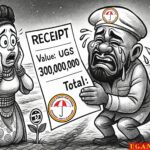 The Great Ugandan Political Circus: Analysing NUP, Bobi Wine, and the Stalled Struggle
 Decoding the 2026 Uganda Debate: Corruption, Federalism & Youth Unemployment
 Bobi Wine & NUP Corruption: The Inside Story of Uganda’s Opposition Crisis
 The Politics of Patronage: Analysing Museveni’s Leadership Style in Uganda
 Profitability Assessment of Uganda’s Public Corporations and State Enterprises
 Blockchain for Writers: The Ultimate Archive Against Censorship in Uganda
 Uganda’s LGBTQ+ Resistance: Stories of Defiance Against the Anti-Homosexuality Act
 Monarchy vs. Republic: Analysing the Kabaka’s Intervention in Uganda’s Elections
 Makerere University Guild Election Commission: Leadership Elected for 91st Guild President Election
 Colonial Legacies and Ethnonationalism in Uganda: The Acholi, Obote, and Post-Independence Struggles
 Uganda Police Force Defends Arrests, Denies Kidnap Allegations
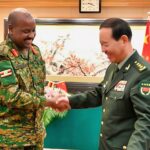 Uganda-China Defence Pact: Analysing Muhoozi Kainerugaba’s Beijing Deal with Gen Liu Zhenli
 The Ugandan Asylum Dilemma: Fake LGBTQ+ Claims, Real Consequences
 Uganda’s Diaspora Convention: Extraction, Not Partnership, in Kampala
 The 2026 Uganda Internet Shutdown: A Complete Analysis of the UCC Directive